In the world of heavy machinery and industrial automation, the return on investment (ROI) of equipment is largely dictated by the durability of its core components. Among these, hydraulic cylinders are often subject to the most intense physical stress. For fleet managers and maintenance engineers, one question remains paramount: What is the life expectancy of a hydraulic cylinder?
While a high-quality hydraulic cylinder is theoretically designed to withstand millions of cycles, its actual service life is a variable influenced by manufacturing standards, operational habits, and environmental conditions. As a premier custom hydraulic cylinder manufacturer in the industry, HUTCHIN HYDRAULIC believes that understanding these factors is the first step toward maximizing equipment uptime and reducing long-term costs.
Manufacturing Quality
The lifespan of a hydraulic cylinder is often decided long before it reaches the job site. It begins in the factory. The quality of raw materials, specifically the steel used for the barrel and the piston rod, forms the foundation of durability.
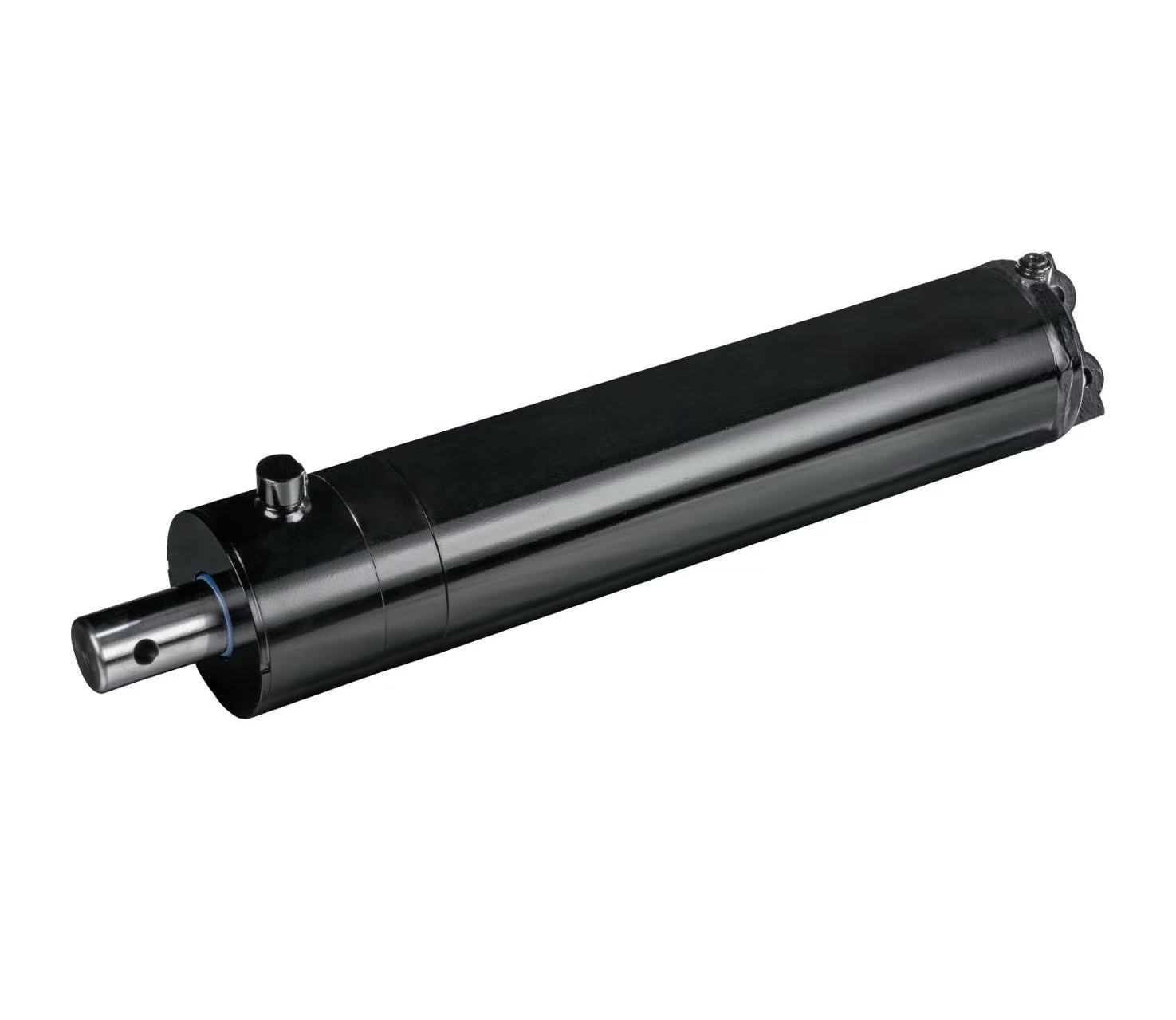
At HUTCHIN HYDRAULIC, we utilize high-strength alloy steels that undergo rigorous stress testing. A common failure point in lower-end cylinders is the surface finish of the piston rod. If the rod is too rough, it acts like sandpaper on the seals; if it is too smooth, it cannot maintain a necessary oil film for lubrication. HUTCHIN HYDRAULIC employs precision grinding and advanced hard chrome plating processes to ensure an optimal surface roughness (Ra) value. This meticulous attention to detail prevents premature seal wear and protects the rod against corrosion, significantly extending the cylinder's operational life.
Operational Duty Cycles and Load Intensity
A hydraulic cylinder’s age is better measured in cycles and stress than in years. A cylinder operating at 90% of its rated pressure 24/7 will naturally reach its fatigue limit much faster than one used intermittently at 50% capacity.
Beyond constant pressure, shock loads, sudden, violent spikes in pressure, are silent killers of hydraulic integrity. These spikes can cause the cylinder barrel to expand momentarily, allowing high-pressure oil to bypass the seals (blow-by), or even lead to structural cracking. To combat this, HUTCHIN HYDRAULIC engineers utilize redundant design principles. By calculating higher safety margins for wall thickness and using premium-grade sealing systems from world-renowned brands, HUTCHIN HYDRAULIC products are built to absorb these operational shocks that would typically cause budget cylinders to fail.
The Role of the Sealing System
If the barrel is the body, the seals are the heart of the hydraulic cylinder. Once the seals fail, the cylinder loses its ability to hold pressure, rendering it useless. The life expectancy of a seal is affected by temperature and fluid compatibility.
Standard seals may harden and crack in extreme heat or become brittle in sub-zero temperatures. Furthermore, using the wrong type of hydraulic fluid can cause seals to swell or dissolve. When you partner with HUTCHIN HYDRAULIC, we provide tailored sealing solutions based on your specific application, whether it’s high-temperature seals for steel mills or low-friction seals for high-speed industrial robotics. Our commitment to using high-performance materials ensures that the heart of your machine keeps beating longer.
Environmental Exposure and External Protection
Hydraulic cylinders rarely work in laboratory conditions. In the real world, they are pelted by salt spray on offshore rigs, abrasive dust in mines, and moisture in agricultural fields. These environmental factors can lead to pitting on the piston rod. Once a pit forms, it creates a jagged edge that destroys the rod seal every time the cylinder retracts.
To mitigate environmental degradation, HUTCHIN HYDRAULIC offers specialized surface treatments, including multi-layer plating and specialized paint coatings that exceed standard salt-spray test requirements. For particularly harsh environments, we offer protective bellows that act as a physical barrier against contaminants, ensuring that the precision-engineered surfaces remain pristine.
Proper Installation and Alignment
Even the most robust cylinder from HUTCHIN HYDRAULIC can have its life cut short by poor installation. Side loading occurs when the cylinder is not perfectly aligned with the load it is moving. This creates uneven pressure on the wear rings and bushings, eventually leading to metal-on-metal contact inside the cylinder.
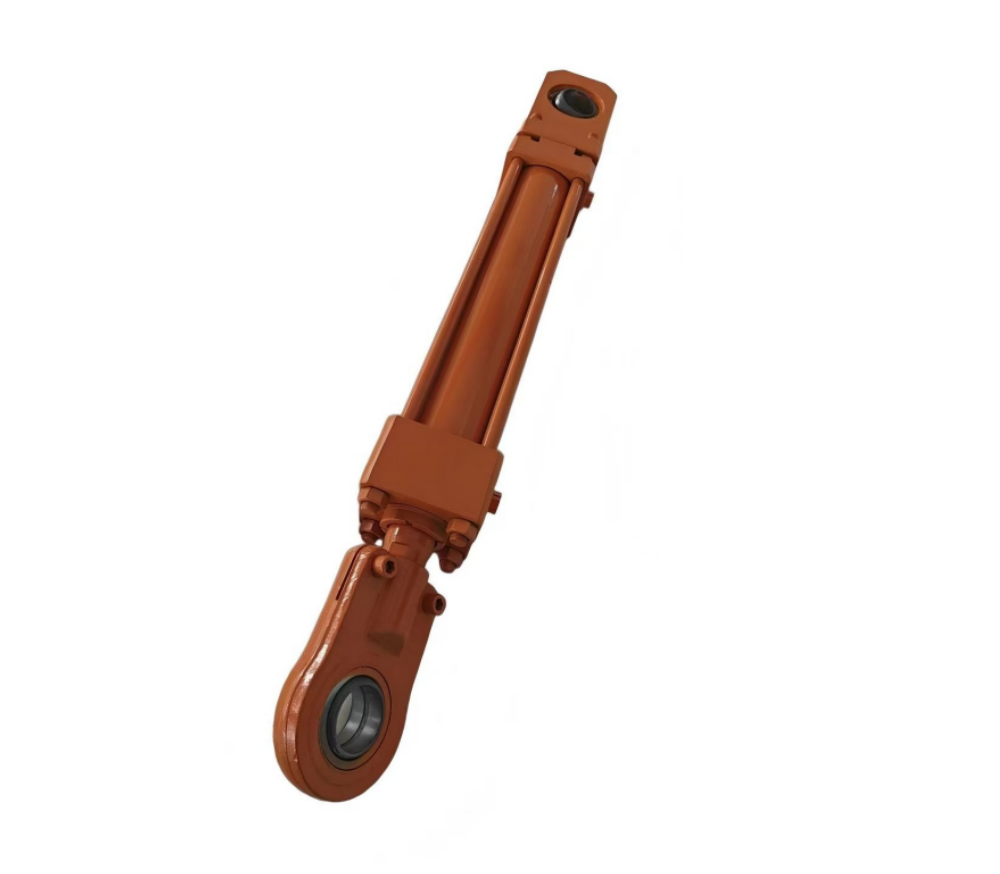
Ensuring that mounting points, such as clevises or trunnions, are properly lubricated and aligned is essential. A well-aligned system ensures that forces are distributed axially, which is exactly what the cylinder was designed for, thereby preventing the premature ovalization of the cylinder bore.
The life expectancy of a hydraulic cylinder is a manageable variable. By choosing a manufacturer like HUTCHIN HYDRAULIC, you are investing in a product where longevity is engineered into every micron of the piston rod and every thread of the end cap.
Through a combination of selecting high-quality components, maintaining clean hydraulic fluid, and ensuring proper mechanical alignment, you can push the boundaries of your equipment's service life. In the long run, the most expensive cylinder is the one that fails prematurely. Choosing HUTCHIN HYDRAULIC ensures that your machinery stays in the field, performing at its peak, year after year.