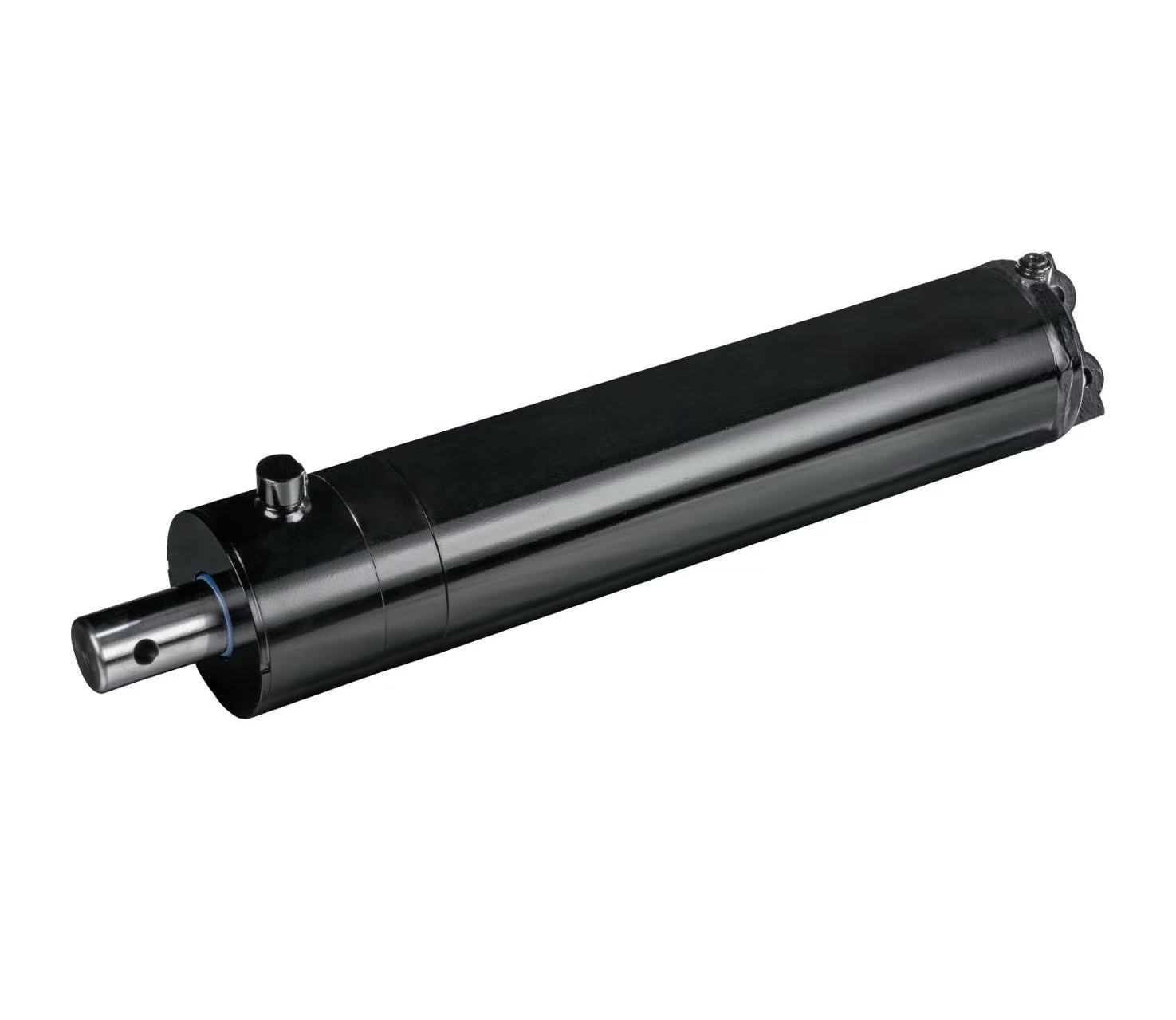
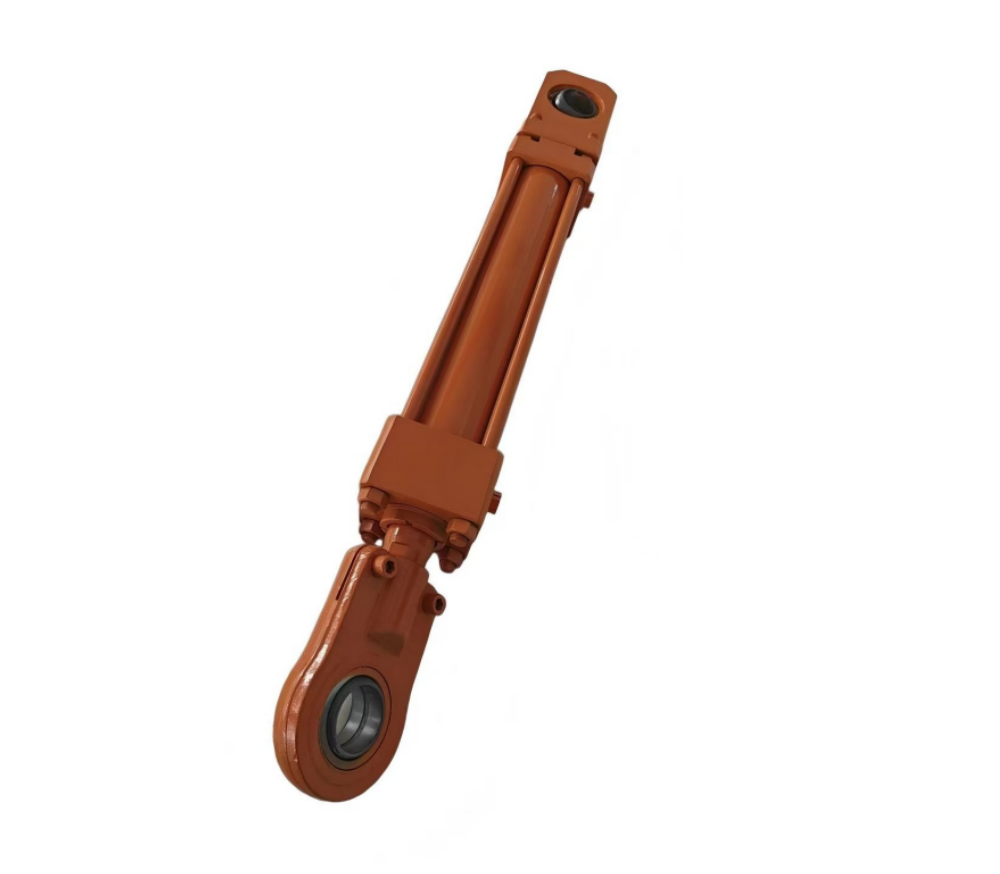
Hydraulic cylinders are the driving force behind countless types of heavy equipment, from excavators and loaders to agricultural machinery and industrial presses. A properly functioning hydraulic cylinder ensures smooth movement, stable lifting capacity, and consistent production efficiency. However, worn seals, internal leakage, or damaged components can quickly lead to equipment downtime, increased maintenance costs, and lost productivity.
Fortunately, rebuilding a hydraulic cylinder is often a practical and cost-effective solution when the damage is limited to normal wear. With the proper tools, replacement seals, and repair procedures, many cylinders can be restored to reliable operating condition instead of being replaced entirely.
This guide walks you through the complete rebuilding process—from identifying failure symptoms and preparing the necessary tools to disassembly, seal replacement, reassembly, and testing. We'll also explain when rebuilding is no longer the best option and why working with an experienced hydraulic cylinder manufacturer can save both time and money.
Signs Your Hydraulic Cylinder Needs Rebuilding
Before beginning any repairs, determine whether your hydraulic cylinder actually requires rebuilding. Catching problems early can prevent more serious mechanical damage.
Common warning signs include:
External Hydraulic Oil Leaks
Cylinder Drift or Pressure Loss
Abnormal Noise During Operation
Bent or Scored Piston Rod
Deep scratches, corrosion, or a bent rod can quickly destroy new seals after rebuilding.
Severe rod damage often makes replacement a more economical solution from a professional hydraulic cylinder supplier.
Tools and Materials You Will Need
Preparing the correct tools before disassembly makes rebuilding safer and more efficient.
| Category | Tools & Materials Required |
|---|
| Hand Tools | Wrenches, socket set, rubber mallet, seal picks, snap ring pliers |
| Cleaning Supplies | Degreaser, lint-free cloths, emery cloth, compressed air |
| Replacement Parts | OEM or premium hydraulic cylinder seal kit |
| Lubricants | Clean hydraulic oil or assembly lubricant |
| Safety Equipment | Safety glasses, heavy-duty gloves, oil drain pan |
Tip: Always purchase seal kits designed specifically for your cylinder model. Incorrect seals are one of the leading causes of repeat failures.
The 5-Step Process to Rebuild a Hydraulic Cylinder
Step 1: Disassembly and Inspection
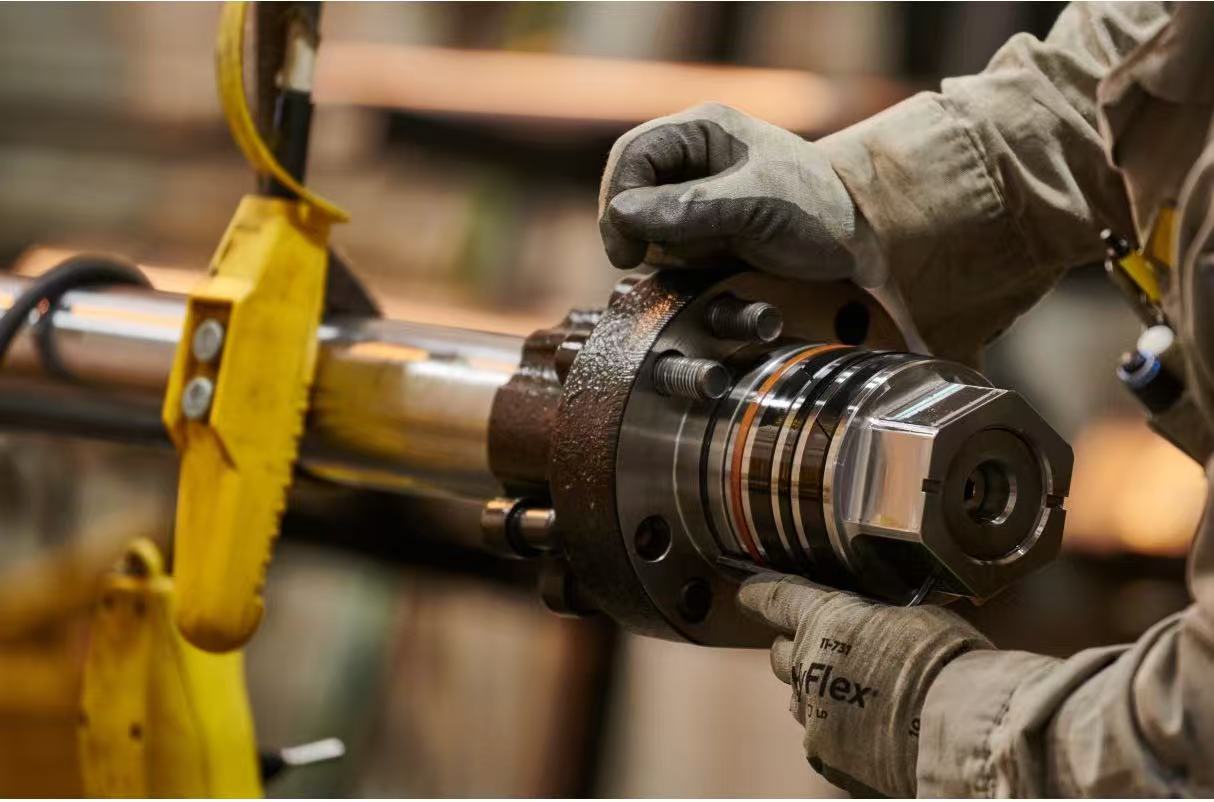
Before removing any components, completely relieve hydraulic system pressure and disconnect the cylinder from the machine.
After cleaning the exterior surface:
Remove the gland or cylinder head.
Carefully extract the piston rod assembly.
Drain any remaining hydraulic oil.
Inspect every component carefully, paying close attention to:
Piston rod condition
Cylinder barrel interior
Piston wear
Gland surface
Threads
Retaining rings
Minor polishing marks are generally acceptable, but deep scoring, excessive corrosion, or bent rods usually require replacement rather than rebuilding.
Step 2: Remove the Old Seals
Using seal picks or specialized seal removal tools:
Remove all O-rings
Remove U-cup seals
Remove wear rings
Remove dust wipers
Take care not to scratch the gland or piston surfaces during removal.
Never reuse old seals—even if they appear undamaged. Seal materials gradually lose elasticity under hydraulic pressure and temperature cycling.
For easier reassembly, lay the removed seals out in order or take reference photos before disposal.
Step 3: Thorough Cleaning and Preparation
Cleanliness is one of the most important factors in successful hydraulic repairs.
Carefully clean:
Cylinder barrel
Piston
Rod
Gland
Threads
Seal grooves
Remove:
Dirt
Sludge
Metal particles
Old grease
Contaminants
Even microscopic debris trapped beneath a seal can cause premature leakage after rebuilding.
If necessary, lightly polish minor imperfections using fine emery cloth.
Step 4: Install the New Seal Kit
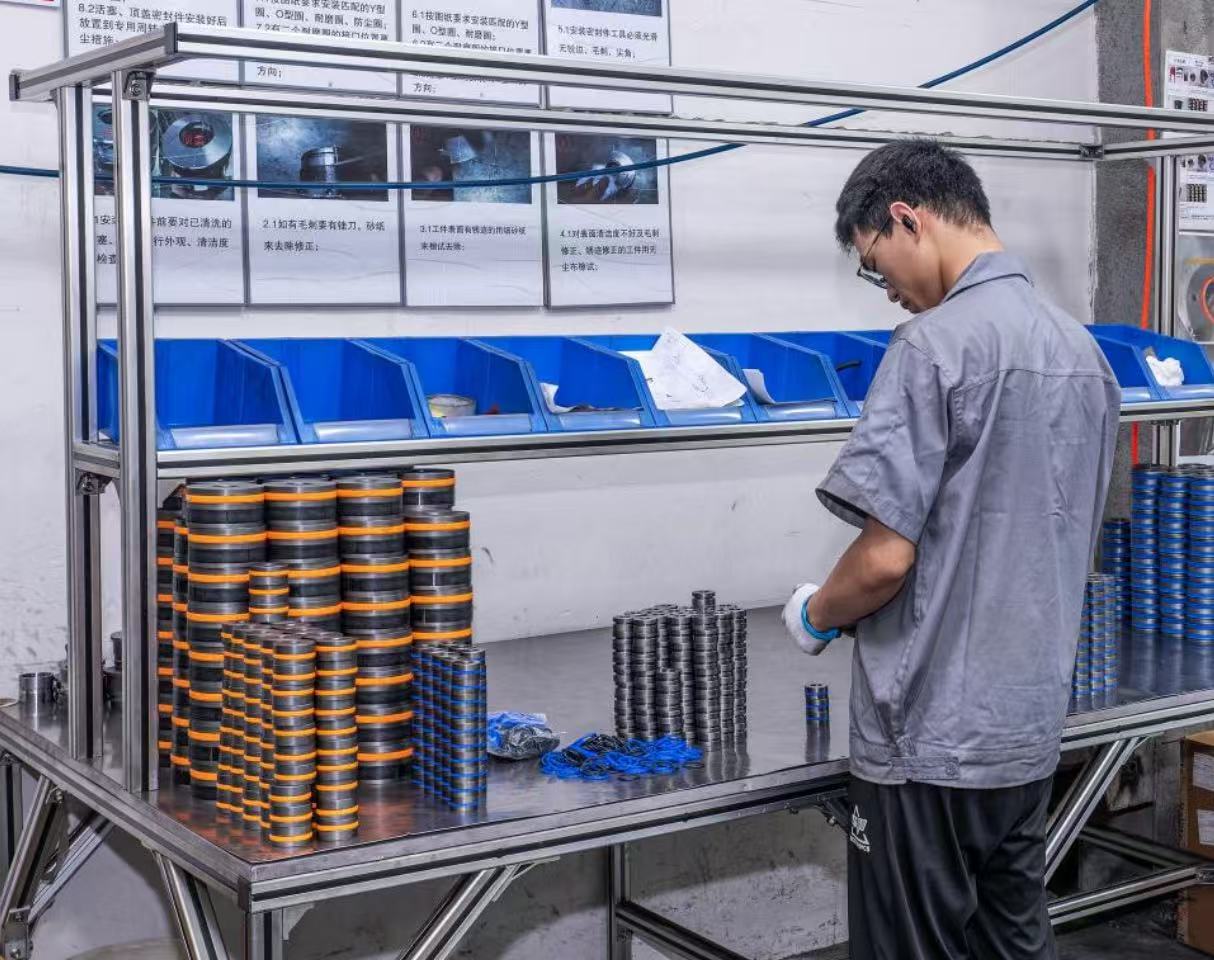
Before installation:
Lubricate each seal using clean hydraulic oil.
Verify the seal orientation.
Confirm all sizes match the original components.
Install:
O-rings
U-cups
Backup rings
Dust wipers
Wear rings
Avoid twisting or stretching seals during installation.
Improperly installed seals are one of the most common causes of immediate post-repair leakage.
Step 5: Reassemble and Test
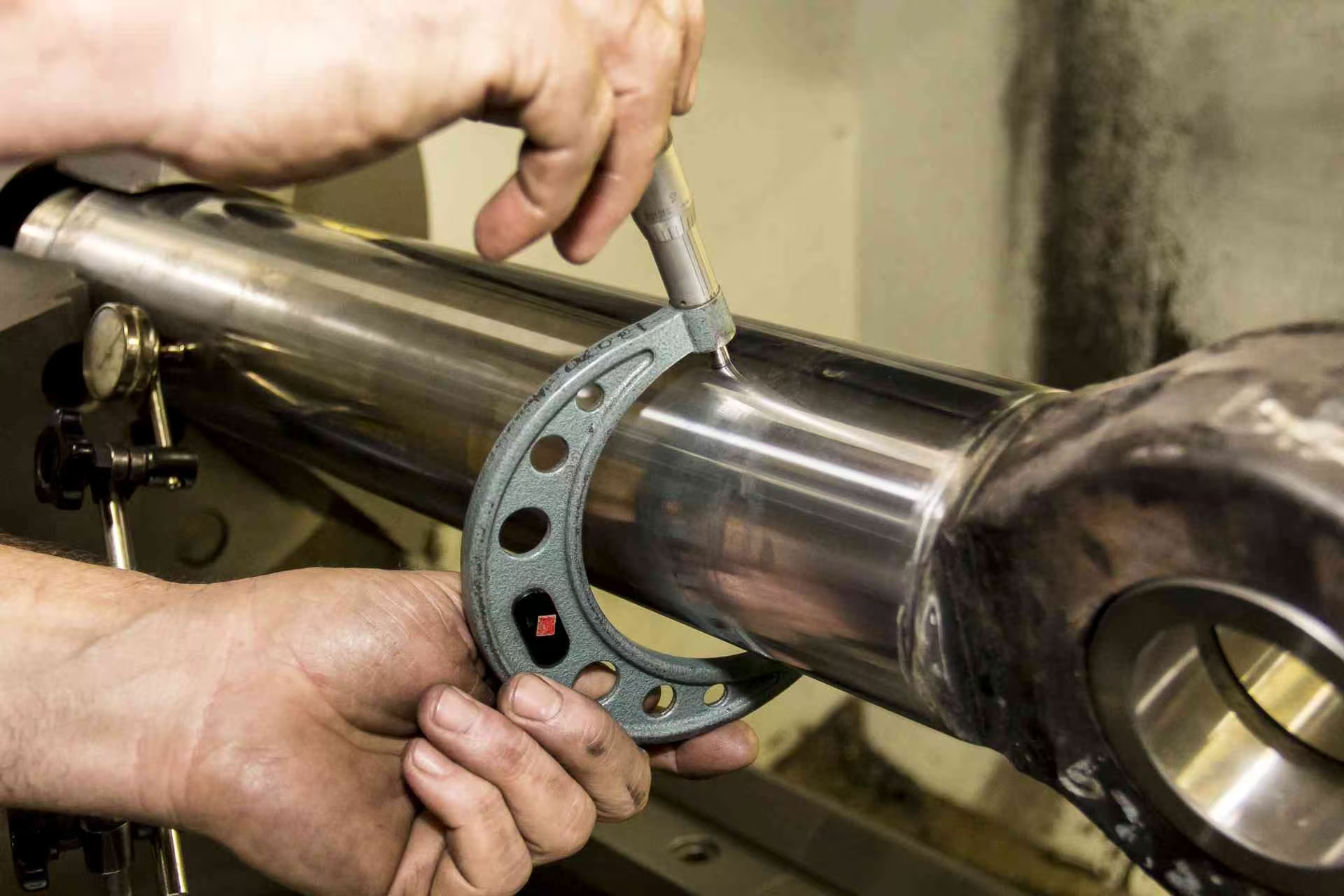
Once the new seals are installed:
Reassemble the piston and rod.
Carefully insert the assembly into the cylinder barrel.
Tighten the gland according to the manufacturer's torque specifications.
Reinstall the cylinder onto the equipment.
Before returning the machine to normal operation, perform a low-pressure bench test.
Check for:
Only after passing all tests should the cylinder be placed back into service.
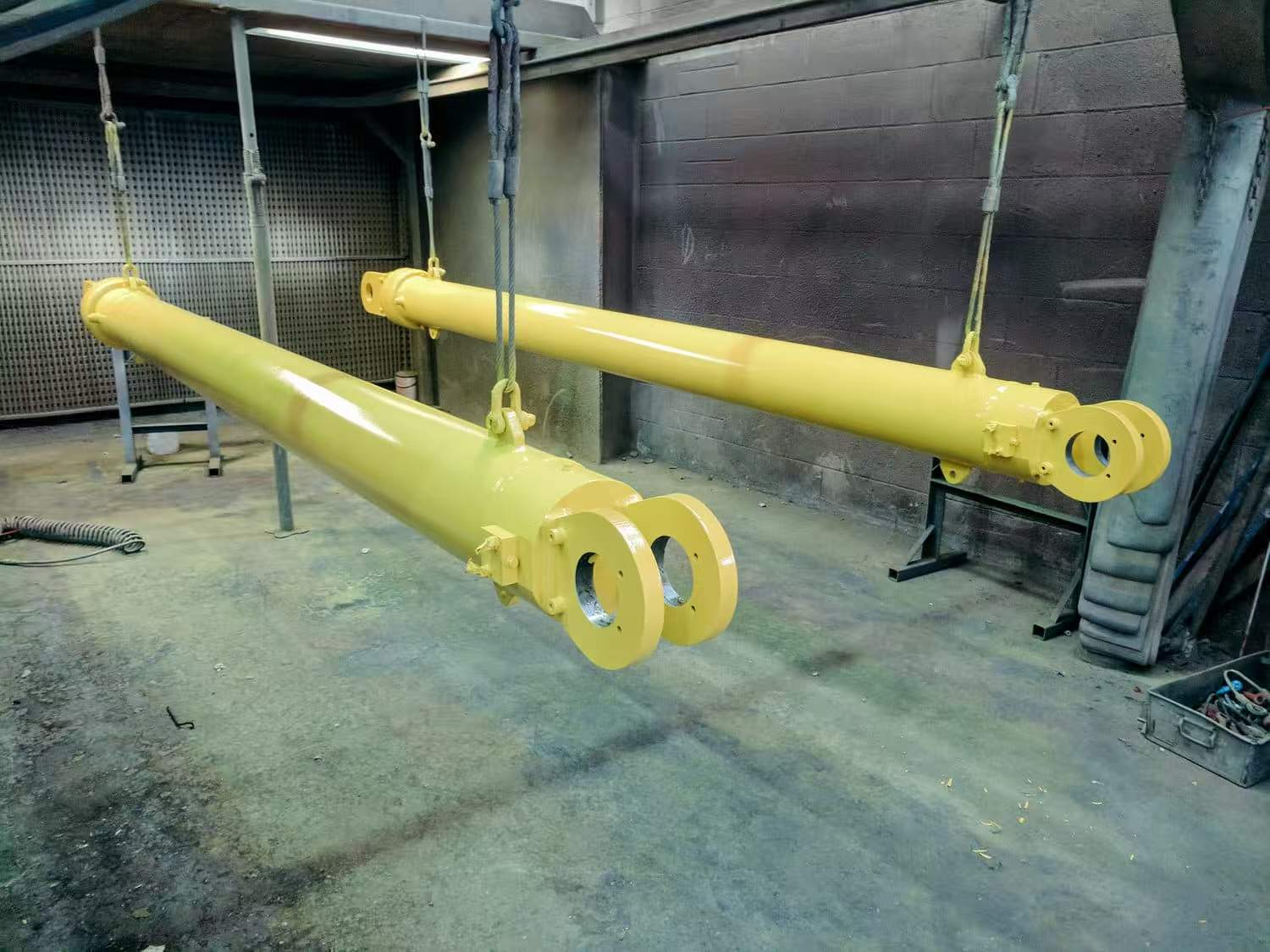
Rebuild vs. Replace: When Should You Contact a Hydraulic Cylinder Manufacturer?
Rebuilding is not always the best solution. Understanding when replacement is the smarter investment can reduce future downtime and maintenance expenses.
When Rebuilding Makes Sense
Rebuilding is generally recommended when:
Only seals have worn out.
The piston rod is still straight.
The cylinder barrel is free from major damage.
Internal wear is minimal.
Qualified technicians are available to perform the repair.
In these situations, replacing the seal kit can significantly extend the service life of the hydraulic cylinder.
When Replacement Is the Better Choice
Consider replacing the cylinder if you discover:
Severely bent piston rods
Deep scoring inside the cylinder barrel
Cracked cylinder heads
Excessive corrosion
Structural deformation
Repeated seal failures caused by worn components
Instead of sourcing multiple replacement parts separately, working directly with a professional hydraulic cylinder manufacturer often provides a faster and more reliable solution.
As an experienced hydraulic cylinder supplier, Hutchin Hydraulic designs and manufactures durable cylinders engineered for demanding industrial environments. Our products are built for long service life, high operating pressures, and dependable performance.
For specialized machinery or unique installation requirements, we also provide custom hydraulic cylinder solutions manufactured to your exact dimensions, mounting styles, pressure ratings, and application needs—ensuring a precise fit and optimal performance.
Conclusion
Routine inspection and timely maintenance are the best ways to maximize the lifespan of any hydraulic cylinder. While rebuilding can effectively restore cylinders suffering from normal seal wear, severe structural damage often requires complete replacement to ensure long-term reliability and safety.
Whether you need replacement components, expert engineering support, or a fully customized hydraulic solution, Hutchin Hydraulic is ready to help.
Explore our complete range of hydraulic cylinders here:
Our team provides high-quality standard and custom hydraulic cylinder solutions for construction equipment, mining machinery, agricultural machinery, industrial automation, and many other demanding applications.
Frequently Asked Questions (FAQ)
1. How much does it cost to rebuild a hydraulic cylinder?
The cost depends on the cylinder size, seal kit price, labor, and whether components such as the piston rod or barrel need replacement. For cylinders with only seal wear, rebuilding is usually far less expensive than purchasing a new unit.
2. How long does it take to rebuild a hydraulic cylinder?
For experienced technicians with the correct tools, rebuilding typically takes between 2 and 6 hours, depending on the cylinder's size and complexity.
3. Can every hydraulic cylinder be rebuilt?
No. Cylinders with severely bent rods, cracked barrels, extensive corrosion, or structural damage often cannot be economically repaired. In these cases, replacing the unit through a trusted hydraulic cylinder manufacturer is the safer and more cost-effective option.