Hydraulic systems power much of the world’s heavy machinery from construction equipment to industrial manufacturing lines. At the heart of many of these systems is the double-acting hydraulic cylinder, a robust actuator that converts hydraulic energy into controlled linear motion.
A double-acting hydraulic cylinder is a type of actuator used in hydraulic systems that can apply force and motion in both directions, extension and retraction, under hydraulic power. Unlike single-acting cylinders, which rely on external forces like springs or gravity for returning the piston, double-acting cylinders use pressurized hydraulic fluid on both sides of the piston to control movement. The key difference between these two cylinder types lies in how the return stroke is powered.
Double-acting designs provide greater control, speed, and functionality, especially in applications where bidirectional force and precise motion are essential. These cylinders are designed with two fluid ports, one at each end, allowing hydraulic fluid to be directed into the cylinder to push the piston rod outward or inward. This bidirectional control makes them highly versatile and suitable for demanding industrial tasks where repeatable and precise motion is essential.
How Double-Acting Hydraulic Cylinders Work?
At a basic level, a double-acting hydraulic cylinder functions by using pressurized fluid to move a piston, which then drives the piston rod to produce linear motion:
Extension Stroke: Hydraulic fluid enters through one port, often called the advance port, building up pressure behind the piston and forcing the piston rod outward.
Retraction Stroke: When fluid is directed into the opposite port, it pushes the piston in the reverse direction, pulling the piston rod back into the cylinder.
This controlled flow and pressure on both sides of the piston enable the cylinder to generate force and motion in two directions, which is the core functional advantage of double-acting designs.
Key Functions and Benefits
1. Bidirectional Force Generation
The primary function of double-acting cylinders is to apply hydraulic force in both extension and retraction. This capability supports a wide range of operations like lifting, pushing, pulling, and lowering under controlled conditions — tasks that single-acting cylinders cannot reliably perform on the return stroke.
2. Precision and Control
Because both strokes are hydraulically powered, operators can precisely control speed, positioning, and force through directional control valves, flow regulators, and proportional control systems. This precision makes double-acting cylinders ideal for automation, robotics, and manufacturing applications where accuracy is critical.
3. Efficiency and Speed
Double-acting cylinders improve operational efficiency by eliminating the need for external return mechanisms like springs or gravity. The hydraulic return is faster and more consistent, enabling shorter cycle times and higher productivity.
4. Versatility Across Industries
From heavy construction machinery to precision presses, double-acting cylinders are used wherever controlled linear motion is needed in two directions, including material handling, agricultural machinery, industrial automation, and marine equipment.
Key Components That Enable Their Function
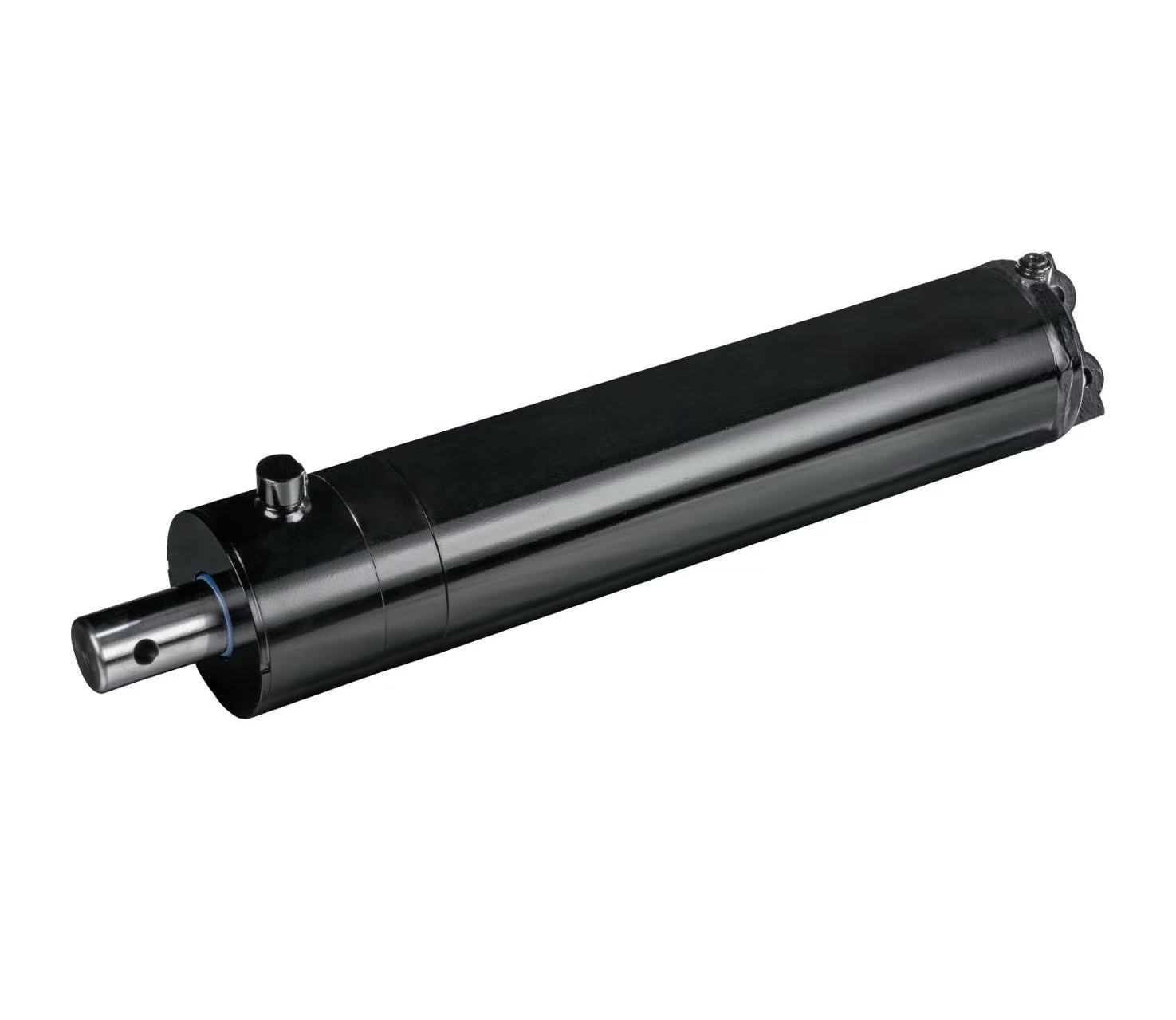
Cylinder Barrel: Houses the piston and hydraulic fluid.
Piston: Divides the cylinder into two chambers and transfers force from fluid pressure to mechanical motion.
Piston Rod: Connected to the piston, it transfers linear motion outside the cylinder.
Seals: Prevent fluid leakage and maintain pressure integrity.
Ports: Two ports allow fluid in and out on both sides of the piston for complete bidirectional operation.
Applications of Double-Acting Hydraulic Cylinder
Heavy Equipment and Construction
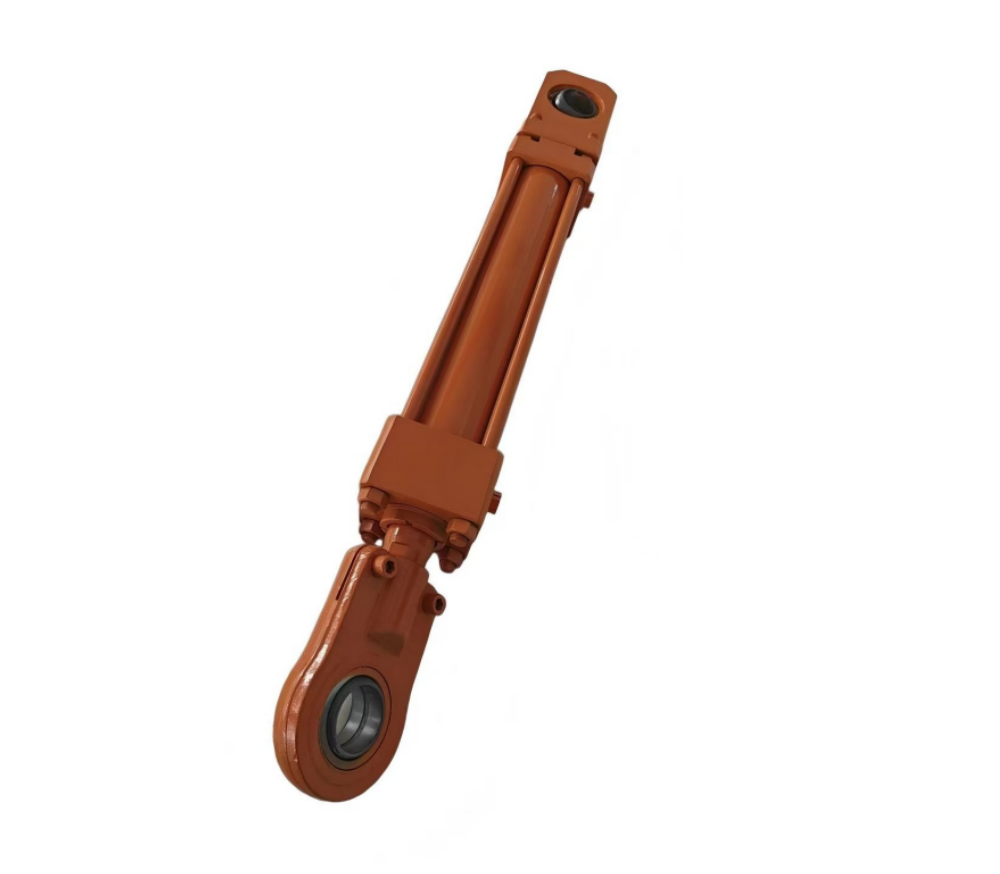
Double-acting cylinders are essential in excavators, bulldozers, cranes, and loaders, where controlled lifting and lowering are required for earthmoving, digging, and material placement.
Industrial Manufacturing and Automation
In press machines, assembly lines, and material handling systems, these cylinders deliver precise positioning and repeatable motion necessary for high-speed automated operations.
Agricultural Machinery
Tractors, harvesters, and implements rely on double-acting cylinders for adjusting plow depth, lifting equipment, and steering systems, offering flexibility and strength in the field.
The function of double-acting hydraulic cylinders extends far beyond simple movement — they provide controlled, efficient, and powerful bidirectional motion that is foundational to modern hydraulic systems. With their ability to precisely regulate extension and retraction, high performance in demanding environments, and versatility across industries, double-acting cylinders remain a cornerstone of advanced mechanical design. Whether powering heavy machinery on a construction site or fine-tuned manufacturing equipment, understanding their function is essential for engineers and technicians working with hydraulic systems.