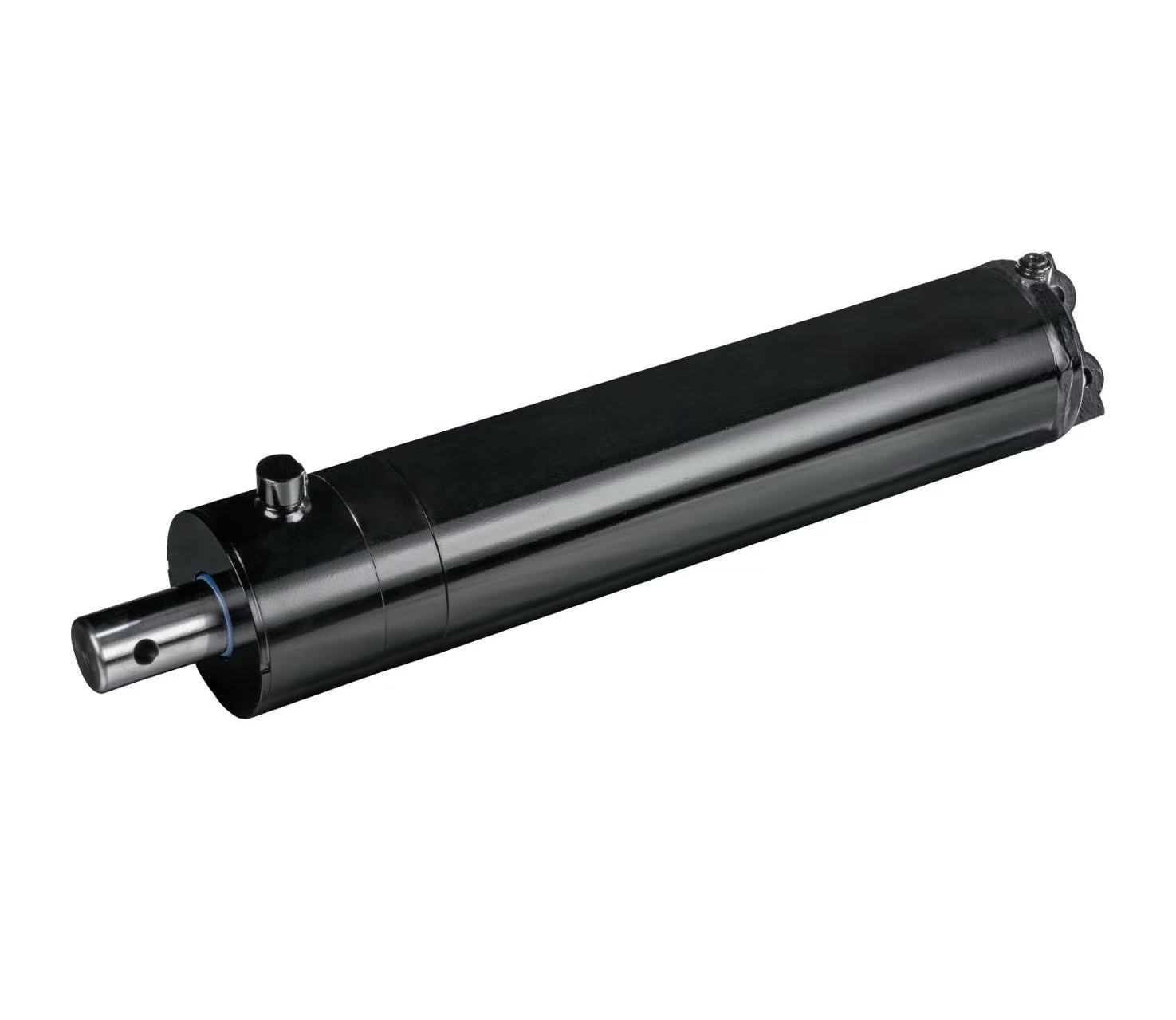
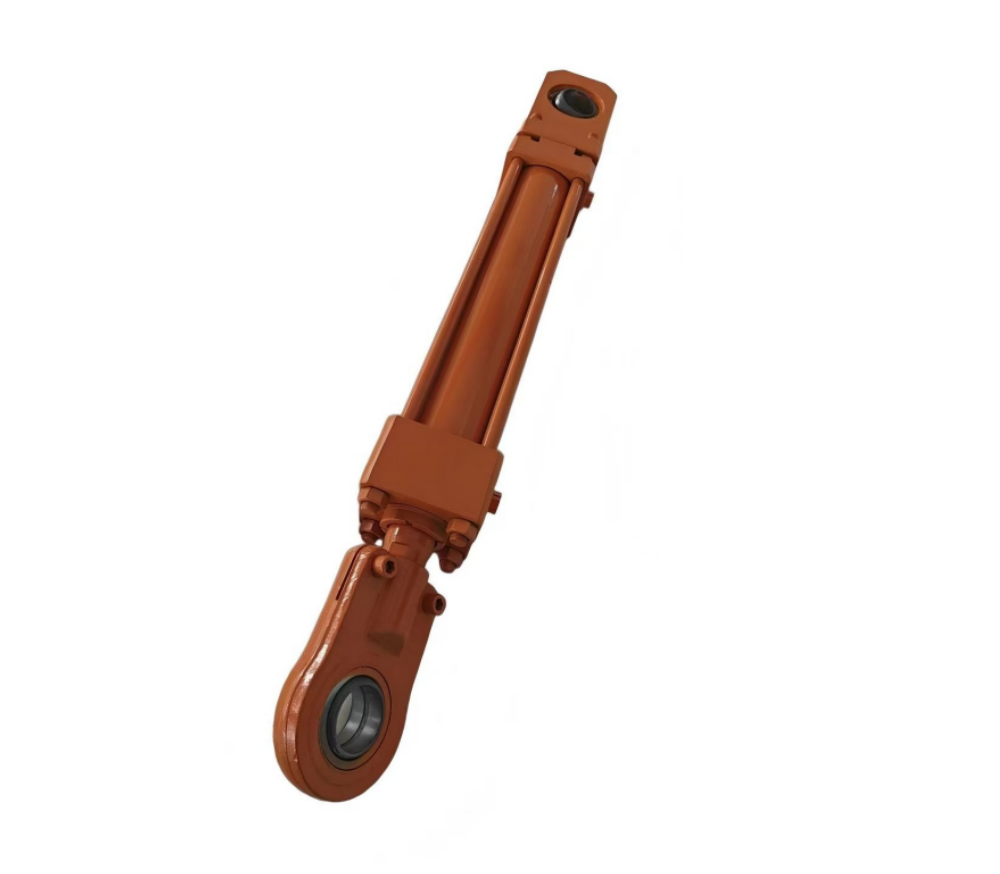
A multi-stage telescopic hydraulic cylinder is a critical component in modern dump trucks, enabling efficient lifting and lowering of the truck bed with high strength, compact design, and reliable performance. Whether in construction, mining, waste handling, or agriculture, the hydraulic lift system depends on this type of cylinder to safely raise heavy loads and control the dumping process.
What is a multi-stage Telescopic Hydraulic Cylinder?
A multi-stage telescopic hydraulic cylinder consists of several nested stages, barrels of different diameters, that extend sequentially to provide a long stroke while maintaining a compact retracted length. The large stage extends first, followed by the smaller stage, giving a smooth and controlled lift. Unlike traditional single-stage cylinders that require substantial installation space for long strokes, a multi-stage telescopic design achieves long travel in a short installation length, making it ideal for dump truck applications.
How it Works?
The multi-stage telescopic hydraulic cylinder operates by directing hydraulic fluid into the cylinder to generate pressure and force:
Initial Stroke — Large Stage: Hydraulic fluid enters the base of the cylinder, pushing the piston in the outer (largest) stage. This initiates the extension.
Secondary and following Strokes — Smaller Stages: Once the outer stage reaches its full extension, hydraulic pressure builds in the next chamber and causes the smaller inner stages to extend, completing the full lift stroke.
On retraction, the process is reversed, usually under fluid pressure (for double-acting cylinders). This sequential extension provides controlled motion and high force output throughout the lift cycle.
Why Use a Telescopic Cylinder on Dump Trucks?
Dump trucks require cylinders that can handle heavy loads and provide significant lifting force while also fitting within limited space. The multi-stage telescopic design offers several advantages for this purpose:
1. Compact Size with Long Stroke
Unlike single-stage cylinders, which need to be long enough to cover the entire lift stroke even when retracted, telescopic cylinders fit a long stroke into a relatively short body. This means dump trucks can maintain a lower overall profile while still achieving adequate bed lift height.
2. Higher Force in Extended Position
The telescopic design can generate powerful force during the extension sequence, which is critical when lifting heavy payloads. Even when partially extended, the force output remains effective — an important factor for rough terrain and uneven loading conditions.
3. Faster Cycle Times
Because telescopic cylinders use staged extension, they can move through the initial portion of the stroke quickly and efficiently, improving dump truck cycle times and operational throughput.
4. Better Weight Distribution
Telescopic cylinders, due to their compact nature, allow better weight distribution for the vehicle chassis, contributing to vehicle stability and reduced structural stress on the frame.
Key Features of a multi-stage Telescopic Hydraulic Cylinder
Hydraulic Ports and Seals
High-quality seals and precision fittings ensure minimal leakage and longer service life, especially under high pressure. Reliable port design also improves fluid flow and reduces heat buildup.
Material Quality and Surface Treatments
Heavy-duty steel construction with corrosion-resistant coatings extends durability in harsh environments, including dusty, wet, or coastal conditions.
Mounting Style Compatibility
Whether rear mount, front mount, or custom bracket design, compatibility with your vehicle’s mounting architecture ensures smooth installation and reliable performance.
Pressure Rating and Load Capacity
Ensure the cylinder’s pressure rating and bore size match the dump truck’s pump output and load requirements. A mismatch can lead to inefficient lifting or premature wear.
How to Choose the Right multi-stage Telescopic Hydraulic Cylinder for Your Dump Truck?
1. Required Stroke Length
Calculate the vertical lift needed for the dump body to reach a clean dump angle. The stroke length of the cylinder must meet or exceed this distance.
2. Load Weight and Payload
Higher payload capacities require cylinders designed for greater force output. Ensure the selected cylinder can handle maximum expected loads without undue strain.
3. Hydraulic System Pressure
Match the cylinder’s operating pressure rating with your truck’s hydraulic pump capacity to avoid underperformance or damage.
4. Environmental Conditions
If the truck operates in harsh environments (mud, salt, heat, or cold), consider cylinders with enhanced seal kits and corrosion-resistant materials.
Applications Beyond Dump Trucks
While the multi-stage telescopic hydraulic cylinder is most often associated with dump truck bed lifts, this design has broader industrial applications, including roll-off container systems, waste management lifting equipment, material handling and construction machinery, telescoping platforms and aerial lifts. Its ability to deliver long strokes from compact bodies makes it a versatile choice for systems where space is constrained but force requirements are high.
Maintenance Tips for Longevity
To ensure your multi-stage telescopic hydraulic cylinder delivers years of trouble-free operation:
Routine Inspection: Check for signs of oil leakage, rod pitting, or seal wear. Addressing these issues early prevents more serious damage.
Cleanliness: Hydraulic fluid contamination is a leading cause of premature cylinder failure. Use clean fluid and change filters regularly.
Proper Lubrication: Keep pivot points and mounting hardware lubricated to reduce friction and wear.
Avoid Side Loads: Telescopic cylinders are designed for axial loads. Side loads can cause bending and premature seal wear, so align mounting points properly.
A multi-stage telescopic hydraulic cylinder for dump truck applications is a high-performance actuator that delivers longer stroke, higher load capacity, and compact installation, making it the ideal choice for modern dump bodies and heavy-duty lifting systems.
Understanding how these cylinders work, what features to look for, and how to choose a model that matches your vehicle’s hydraulic system ensures efficient and reliable service. Whether you’re upgrading an existing truck, specifying a new dump body design, or maintaining a fleet, investing in the right multi-stage telescopic hydraulic cylinder improves performance, longevity, and operational efficiency.