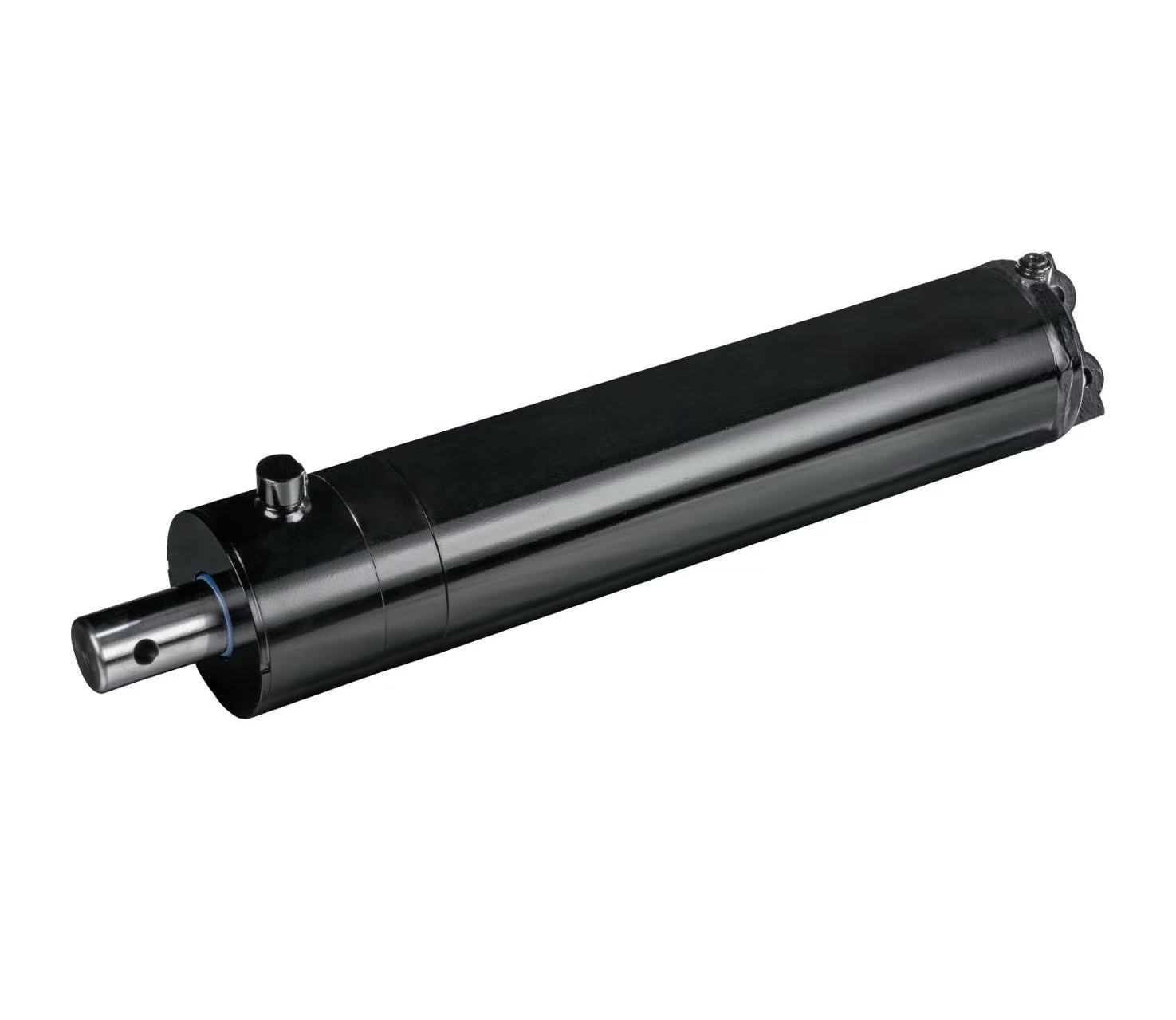
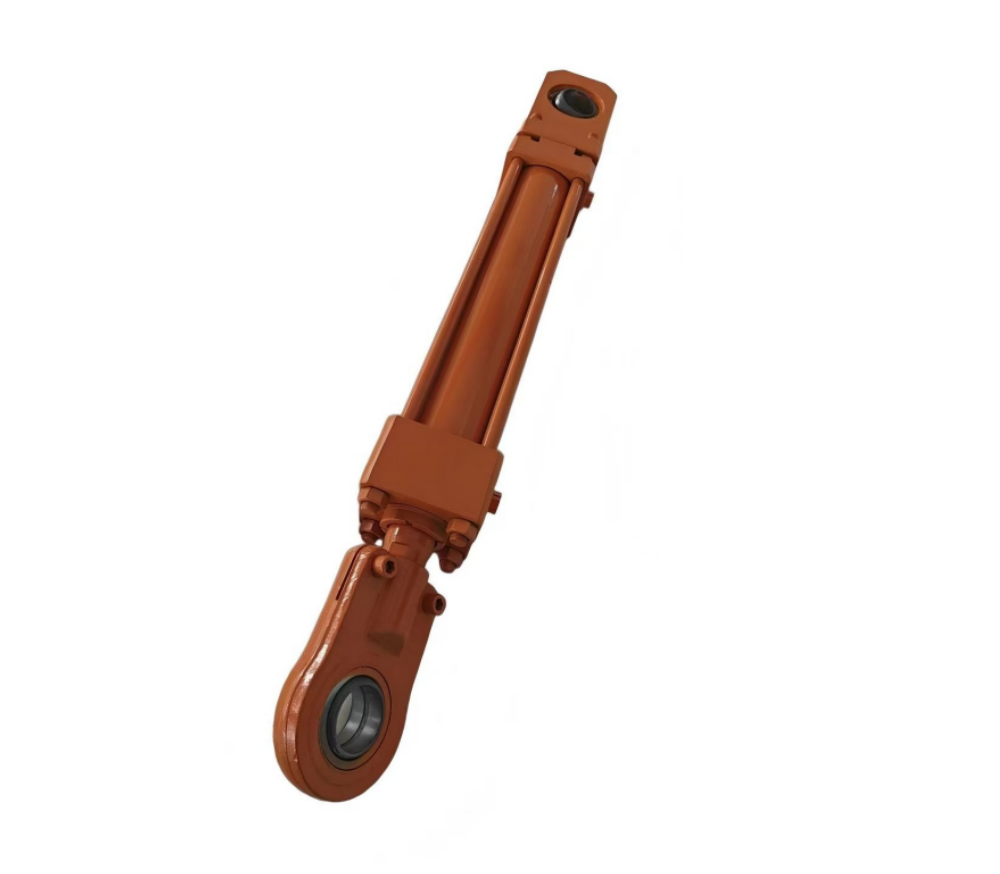
Hydraulic systems are the backbone of modern waste management equipment. At the core of these systems are hydraulic cylinders, which deliver the force and motion required to compact, lift, dump, and control refuse truck bodies with precision and durability. From residential garbage collection to heavy industrial waste handling, hydraulic cylinders enable refuse trucks to operate reliably in some of the most demanding environments.
The Role of Hydraulic Cylinders in Waste Management
Refuse trucks must perform heavy mechanical tasks repeatedly, often in harsh conditions. From lifting a full dumpster to compacting waste inside the truck body, these machines require robust, high-performance components. Hydraulic cylinders are ideal for this purpose because they can generate high force in a compact design and provide precise, repeatable motion. Withstanding extreme loads and pressure cycles, they deliver fast, reliable actuation under variable conditions. Hydraulic cylinders are used in multiple systems on waste collection vehicles, including packers, lift arms, tailgates, hoists, and tipping mechanisms.
How Hydraulic Cylinders Power Refuse Truck Functions?
1. Compaction and Packer Systems
The compactor is the heartbeat of a refuse truck. Hydraulic cylinders power the packer blade, which pushes waste against the hopper to compress it. This compaction increases the volume of waste that can be transported per route, improving efficiency and reducing operational costs. High-force hydraulic cylinders enable strong, smooth compaction and help prevent jamming and blockages, even with bulky or uneven materials.
2. Rear or Side Load Lifting Mechanisms
Many refuse trucks use hydraulic lift arms or booms to raise dumpsters and roll-off containers. Double-acting hydraulic cylinders ensure controlled lifting and lowering, even with varying load weights. Some designs use multi-stage or telescopic cylinders to reach higher dumpsters from a compact footprint, improving maneuverability in tight urban environments.
3. Tailgate and Hopper Movement
Hydraulic cylinders also control the opening and closing of tailgates or hopper doors, facilitating efficient loading and unloading of waste. In rear-loader trucks, cylinders drive the hopper assist systems that allow operators to tilt or pivot body components safely and reliably.
Types of Hydraulic Cylinders Used in Refuse Trucks
Double-Acting Hydraulic Cylinders
These cylinders use hydraulic pressure on both sides of the piston to extend and retract with controlled motion, essential for lift arms and compaction blades that must push and pull heavy loads.
Single-Acting Cylinders
Ideal for applications where the return motion can be managed by gravity, springs, or linkage mechanisms, such as tailgates that drop open under their own weight.
High-Pressure & Heavy-Duty Cylinders
Waste management environments demand cylinders that can operate under high pressure and frequent cycling without premature wear. Heavy-duty seals, robust construction, corrosion-resistant materials, and precision machining are all necessary features.
Design Features
1. Durability and Service Life
Cylinders in refuse applications experience high loads and repeated cycles every day. Quality materials, like hardened chrome rods and robust alloy steels, advanced seals, and protective plating help ensure long service life and low maintenance.
2. Corrosion Resistance
Waste collection often occurs in rainy, salty, or chemically aggressive environments. Corrosion-resistant coatings and stainless-steel components help protect cylinders from rust and degradation.
3. Precision and Control
Hydraulic cylinders in compaction and lift systems must operate smoothly. Precision mounting, proper sealing, and close manufacturing tolerances reduce chatter, leakage, and vibration.
4. Easy Maintenance and Serviceability
Removable gland nuts, replaceable seals, and modular components allow technicians to service hydraulic cylinders quickly, crucial in fleets where downtime directly impacts operations and revenue.
Advantages of Hydraulic Systems in Waste Management
Hydraulic cylinders and systems offer several advantages for refuse trucks and waste handling equipment:
High Force in Compact Form
Hydraulics can deliver large amounts of force without bulky actuators. This allows refuse trucks to handle heavy loads without excessive frame size or weight.
Precise and Repeatable Motion
Hydraulic circuits with proper control valves ensure smooth, predictable movements for lifting and compaction, important for safety and efficiency.
Robust and Reliable in Tough Conditions
Hydraulic technology is inherently rugged, able to perform in high heat, cold, moisture, and dusty environments — conditions commonly encountered in waste management.
Lower Maintenance Compared to Mechanical Systems
Hydraulic systems generally require less frequent mechanical servicing compared with complex gear or chain drives, reducing lifecycle costs.
Real-World Applications and Use Cases
Rear-Loader Garbage Trucks: for hopper, tailgate, and packer blade movement
Front-Loader Refuse Trucks: controlling lift arms and container engagement
Side-Loader Waste Trucks: powering booms and articulating arms for automated bin pickup
Compactor Trailers: enabling large-scale refuse compaction in industrial waste processing centers
Roll-Off Systems: lifting and tilting containers of waste on larger chassis
Hutchin Hydraulic Solutions for Waste Management
For businesses seeking reliable hydraulic components for waste equipment, Hutchin Hydraulic offers a dedicated product line designed specifically for this sector. The hydraulic cylinders for waste management & refuse trucks are engineered to handle the unique stresses and operational demands of refuse trucks and related machinery.
Product Highlights
Heavy-duty compactor cylinders tailored for packer systems
Lift and tipping cylinders used in front, rear, and side-loader refuse trucks
Customized solutions based on mount type, stroke length, bore size, and operating pressure
High-precision, high-durability designs suitable for frequent heavy cycles
These products are ideal for applications where reliability and longevity are priorities, and they are engineered for compatibility with international refuse truck systems.
Hydraulic cylinders are indispensable in waste management and refuse truck systems. They provide the strength, precision, and reliability needed to lift heavy loads, compact waste efficiently, and operate smoothly in demanding conditions. Whether for a rear-loader garbage truck or a front-loader waste system, choosing the right hydraulic cylinder with proper pressure rating, durability features, and alignment with system requirements ensures long service life and high operational performance.
As waste streams continue to grow and fleet demands increase, high-quality hydraulic cylinder solutions remain a core element of sustainable waste management infrastructure, powering the vehicles and systems that keep communities clean, efficient, and safe.