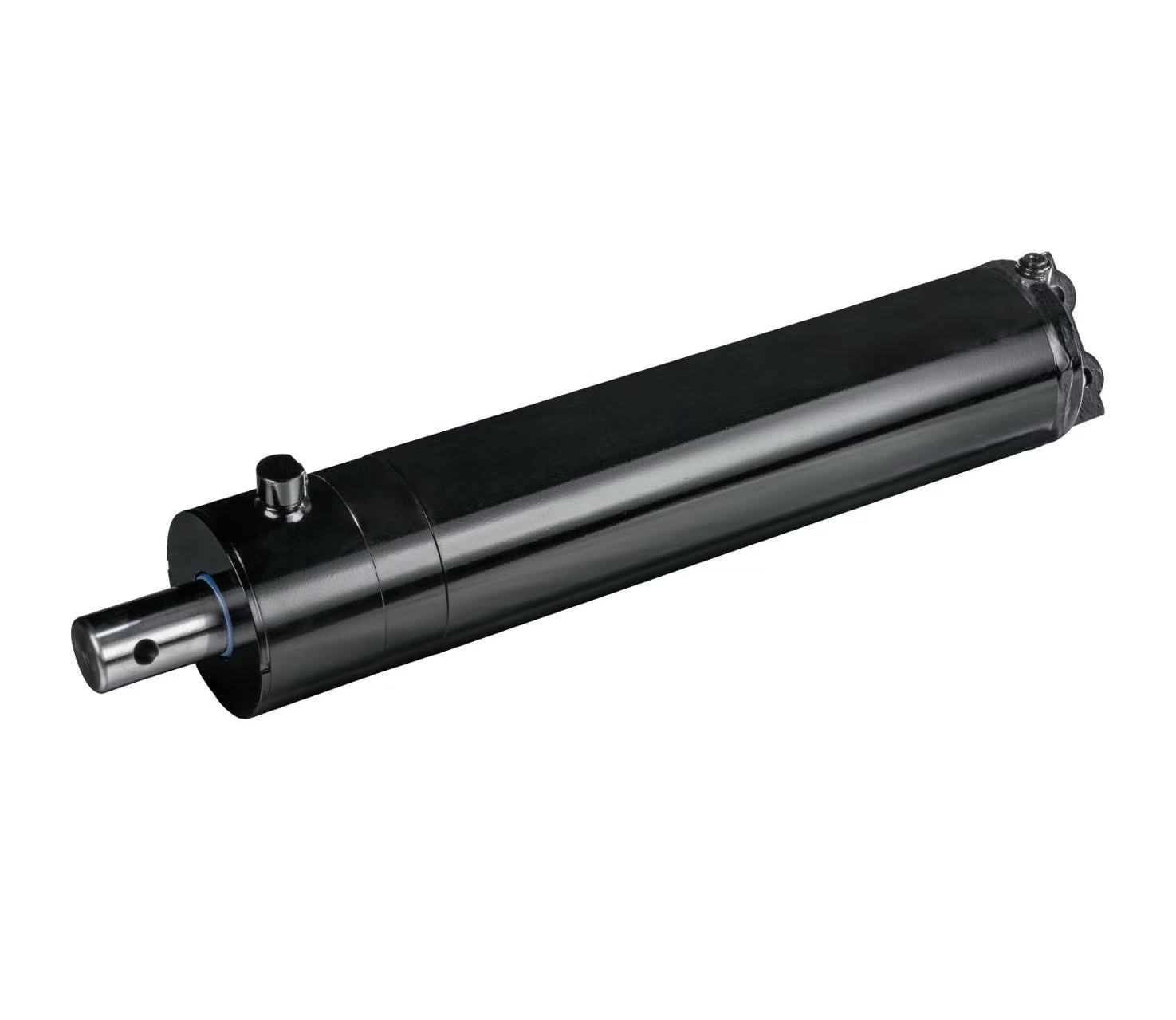
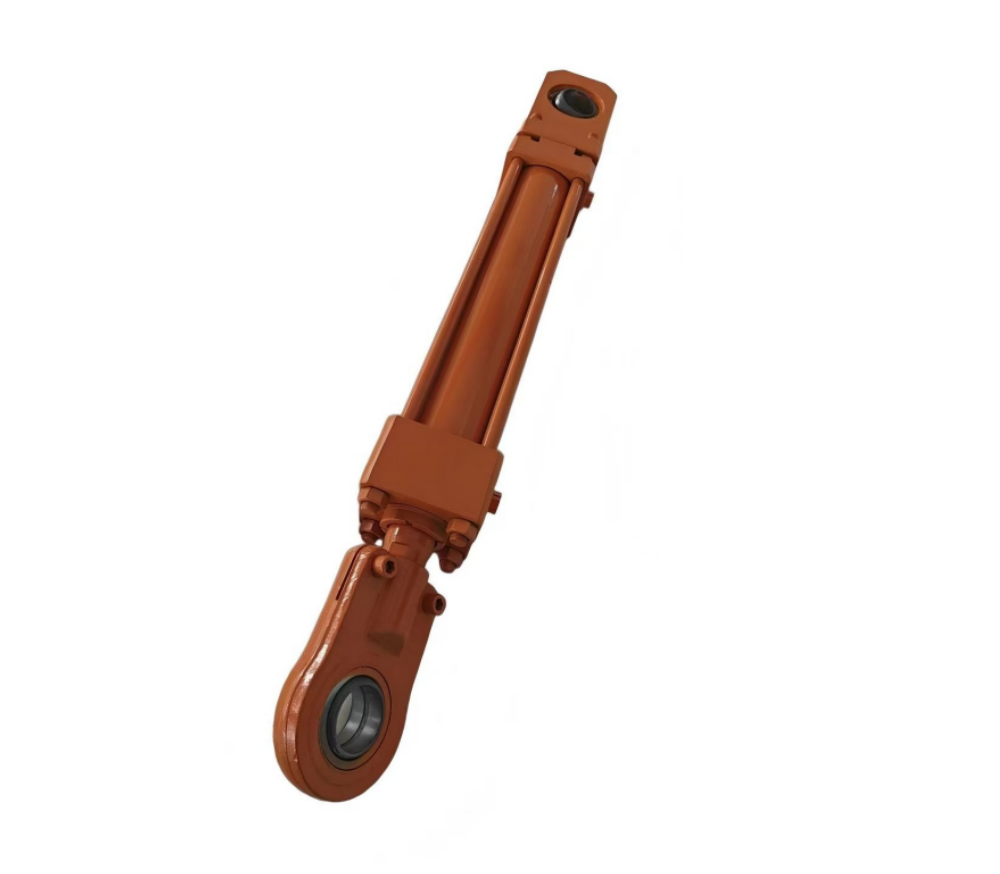
Multi-stage hydraulic cylinders, often called telescopic hydraulic cylinders, are specialized actuators used in hydraulic systems where a long extension stroke and compact retracted size are both essential. These advanced cylinders are widely used in construction machinery, dump trucks, cranes, agricultural equipment, and many other applications where traditional single-stage cylinders can’t deliver the needed stroke within limited space. Understanding how a multi-stage hydraulic cylinder works is key for designers, technicians, and operators working with heavy equipment and industrial systems.
What is a Multi-Stage Hydraulic Cylinder?
A multi-stage hydraulic cylinder, also known as a telescopic hydraulic cylinder, is a type of hydraulic actuator made up of multiple nested tubular stages that extend sequentially. Each stage slides out from within the previous one, similar to the way a telescope operates, allowing a long stroke while keeping the overall retracted length short. [1]
These cylinders can be found in 2- to 5-stage or even more complex designs, depending on application requirements. They are engineered for situations where a very long stroke is required but space for installation is limited, such as in the bed lifting mechanism of dump trucks or the boom of a mobile crane. [2]
Core Components and Design
A typical multi-stage hydraulic cylinder consists of:
Cylinder barrel (outer body): The largest tube that houses all inner stages.
Nested stages (sleeves): Successively smaller diameter tubes that extend one after another.
Piston: Connects to the stages and transfers hydraulic force into linear motion.
Seals and wipers: Prevent fluid leakage and contamination between stages.
Hydraulic fluid: Incompressible fluid, usually oil, that carries pressure to actuate the stages.
Precision machining and high-strength materials are essential in these cylinders to handle pressure, maintain seal integrity, and ensure smooth operation throughout many extension and retraction cycles. [3]
The Working Principle of Multi-Stage Hydraulic Cylinders
Understanding how a multi-stage hydraulic cylinder works centers on sequential extension and retraction under hydraulic pressure:
1. Hydraulic Pressure Introduction
Hydraulic fluid is pumped into the cylinder through a port connected to a hydraulic pump and control valve. The fluid enters the rodless end for double-acting cylinders or the base (cap end) for single-acting designs.
2. Sequential Extension: Large to Small
Once fluid pressure builds, the largest stage extends first because it has the greatest effective piston area. Pressure on the base of this stage pushes it outward until it reaches its full travel. Only then does pressure start acting on the next smaller stage, causing it to extend, and so on.
This step-by-step process continues until all stages are fully extended, giving a long overall stroke that can be many times the cylinder’s retracted length.
3. Retraction: Reverse Sequence
Retracting a multi-stage cylinder works in the opposite order:
For single-acting cylinders, fluid pressure is released and gravity or external load causes the stages to collapse back from smallest to largest.
For double-acting cylinders, hydraulic fluid is directed to the opposite side of the pistons, using fluid pressure to actively pull the stages back in sequence.
This sequential retraction ensures compactness when the cylinder isn’t in use, making it practical for mobile and space-constrained equipment.
Importance of Multi-Stage Design
The multi-stage or telescopic design offers several key advantages over traditional single-stage cylinders:
Extended Stroke in Limited Space
A multi-stage cylinder can achieve a stroke that far exceeds its retracted length, sometimes several times longer, making it ideal for applications where space is tight but a long reach is needed.
Higher Lifting Efficiency
By staging the extension, these cylinders can provide high lifting capacity and better control over load movement, which improves efficiency in lifting operations like dump truck tipping or boom extension.
Flexibility in Operation
Telescopic cylinders can be designed as single-acting, double-acting, or hybrid configurations depending on control requirements. Double-acting variants offer precise bidirectional control, while hybrid designs may economize by using hydraulic force for key stages only.
Durability and Load Handling
High-quality seals, wear-resistant materials, and robust engineering ensure stable performance under heavy load conditions, while sequential extension helps manage pressure distribution across stages.
Common Applications of Multi-Stage Hydraulic Cylinders
Multi-stage hydraulic cylinders are integral to a variety of heavy-duty systems:
Dump Trucks and Trailers: Used to lift the bed for material unloading.
Crane Booms: Provide extended reach while remaining compact at rest.
Aerial Work Platforms: Offer safe and controlled vertical extension.
Agricultural Equipment: Used in tractors, loaders, and harvesters for adjustable reach and power.
Maintenance Tips for Optimal Performance
Regularly inspect seals and wipers for wear and leaks.
Maintain clean hydraulic fluid to prevent contamination that can damage internal components.
Check alignment and bearing surfaces to ensure smooth stage movement and prevent binding.
Proper maintenance not only extends life but also enhances safety and performance in demanding applications.
A multi-stage hydraulic cylinder works by harnessing hydraulic fluid pressure to sequentially extend and retract multiple nested stages. Its unique design enables long stroke lengths, compact retraction, and powerful lifting, making it indispensable in modern hydraulic systems where space, efficiency, and reliable performance are critical. Whether in construction, agriculture, or industrial machinery, understanding how these cylinders work helps engineers and technicians design better systems and maintain them more effectively.
References:
[1] https://en.wikipedia.org/wiki/Telescopic_cylinder
[2] https://jwhydraulics.com/telescopic-hydraulic-cylinder-working-principle/
[3] https://blog.hzpt.com/multi-stage-telescopic-hydraulic-cylinder-operational-life-cycle-testing-and-validation-for-reliability-assurance/