Hydraulic cylinders are fundamental components in fluid power systems, converting hydraulic energy into linear mechanical motion. Two important types are single-stage cylinders and multi-stage hydraulic cylinders, often called telescopic cylinders. Choosing the right type has direct implications on performance, installation constraints, and cost, especially in heavy machinery and mobile equipment design.
What is a Single-Stage Hydraulic Cylinder?
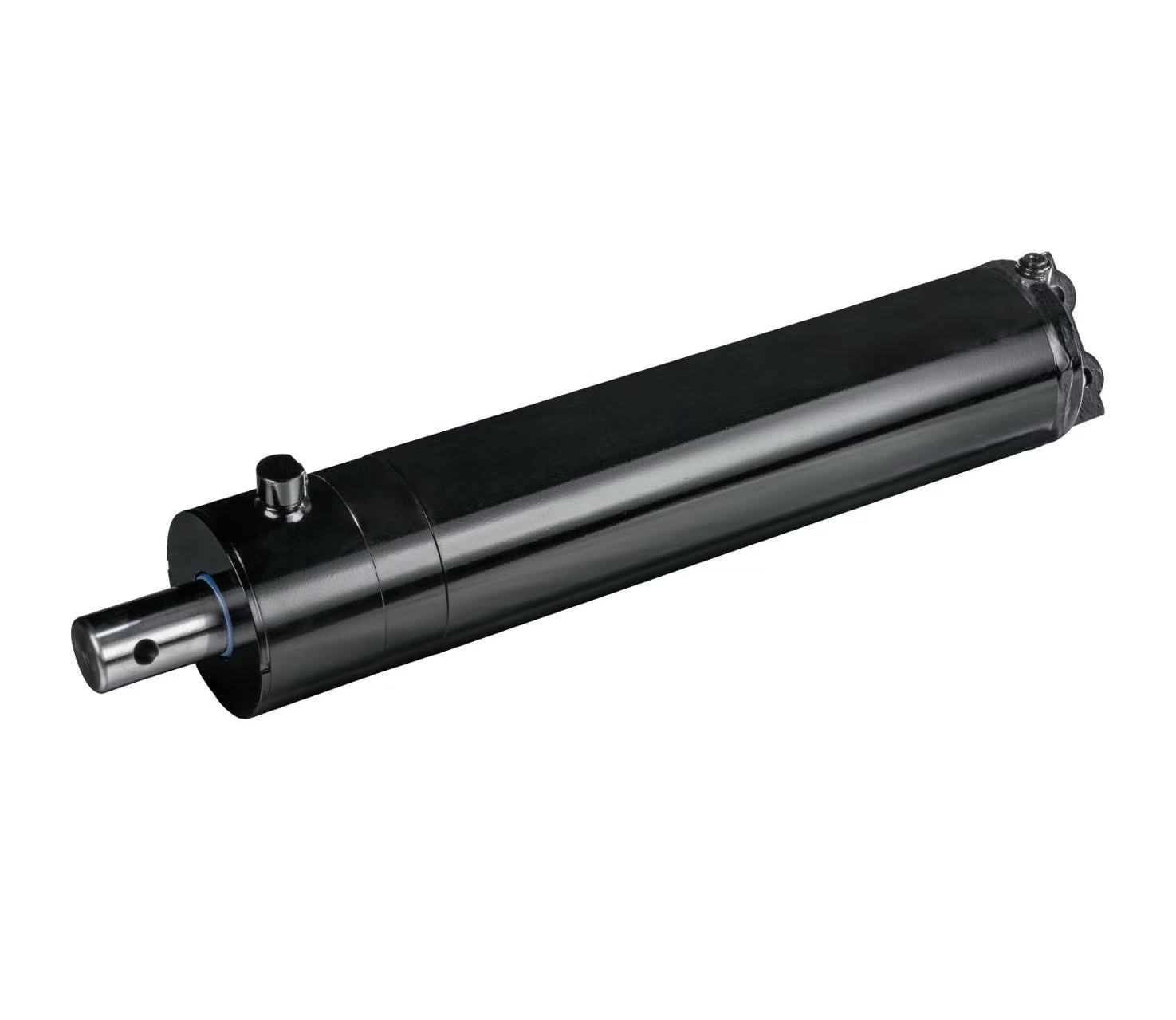
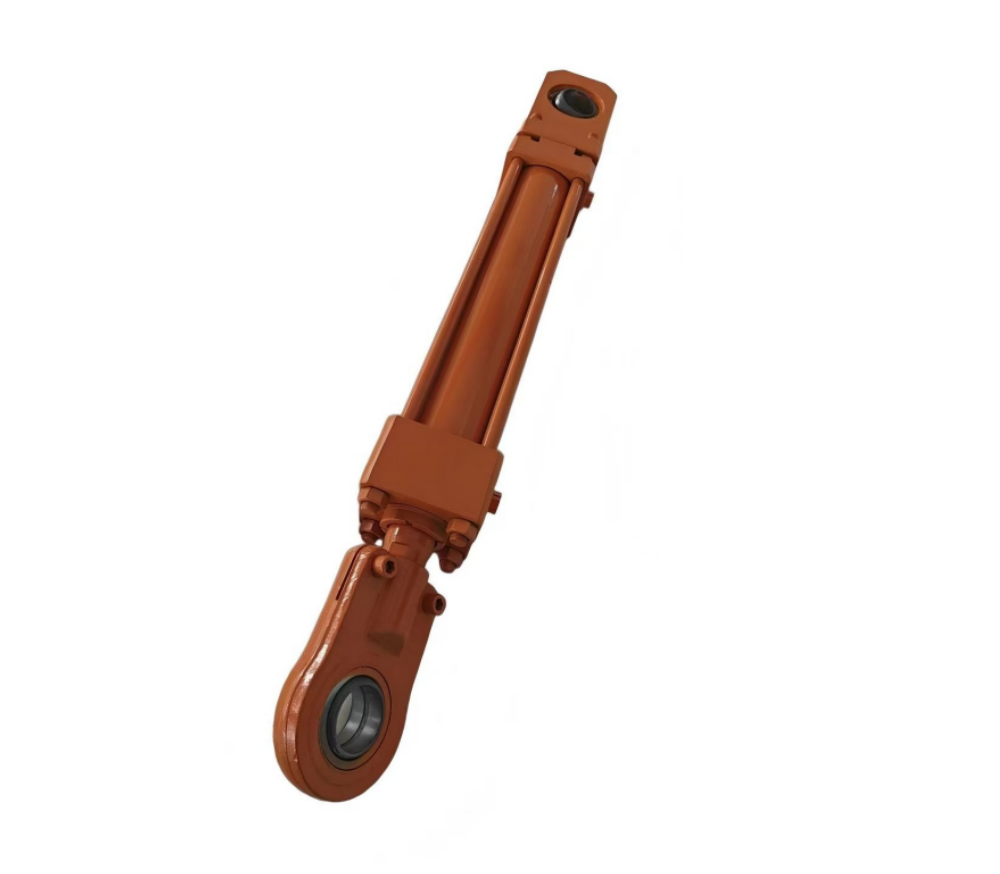
A single-stage hydraulic cylinder is the classic design most people think of when discussing hydraulic actuators. It consists of a single piston rod inside a cylindrical barrel. When hydraulic fluid is pressurized into the chamber, the piston pushes the rod out, creating a linear movement used to lift, push, or pull loads.
Key Characteristics
Simple design: A single barrel and piston mean fewer moving parts.
Limited stroke: The stroke length is limited by the length of the piston rod.
Consistent force: Because there is only one stage, the force output remains constant throughout the motion.
Easy maintenance: Fewer parts mean easier servicing and lower downtime.
Lower cost: Simpler manufacturing results in lower purchase and repair costs.
Reliable performance: Ideal for heavy-duty tasks where stroke requirements aren’t extreme.
Typical Applications
Single-stage cylinders are widely used in industrial machinery, presses, construction equipment like excavators and loaders, and manufacturing systems where linear motion with moderate stroke is required.
What is a Multi-Stage Hydraulic Cylinder?
A multi-stage hydraulic cylinder, also known as a telescopic hydraulic cylinder, is a specialized actuator consisting of two or more nested stages that extend sequentially, much like the sections of a telescope.
Each stage fits inside the next largest one. When hydraulic pressure is applied, the largest stage extends first. Once it reaches its limit, the next stage begins to extend, and this continues until all stages are fully extended. This allows a telescopic cylinder to achieve far greater stroke lengths than a single-stage cylinder of comparable retracted size.
Key Characteristics
Long stroke in compact space: Multi-stage designs provide a multi-times extension relative to their retracted length, ideal where space is limited.
Variable force output: The effective force typically changes as smaller stages extend.
Complex structure: Multiple internal stages require more precise machining and sealing.
| Feature | Single-Stage Cylinder | Multi-Stage (Telescopic) Cylinder |
| Stroke Length | Limited to piston length | Much greater relative to retracted size |
| Design Complexity | Simple, fewer parts | More complex with nested stages |
| Installation Space | Requires longer space for long stroke | Compact when retracted |
| Force Consistency | Force is generally constant | Force varies between stages |
| Cost | Lower initial cost | Higher design and manufacturing cost |
| Maintenance | Easier and cheaper | More complex with more seals |
| Best For | Heavy loads over short to moderate strokes | Long reach applications with tight installation space |
Advantages of Multi-Stage Cylinders
Space Efficiency
Multi-stage cylinders excel where long extension must be achieved without sacrificing space when retracted. Typical applications include dump trucks, aerial work platforms, cranes, and material handling systems, where the cylinder must extend far while fitting within a compact frame.
Extended Reach
Because nested stages unwind sequentially, a multi-stage cylinder can offer several times the stroke length of its own retracted size — something a single-stage design cannot match.
High Load Capability
Although force may vary by stage, multi-stage cylinders can often be engineered to handle substantial loads without sacrificing reach, making them suitable for lifting in constrained layouts.
Limitations and Considerations
Higher Complexity and Cost
More stages mean more seals, tighter tolerances, and more components — all of which increase manufacturing complexity and upfront cost.
Maintenance Complexity
With additional stages come more surfaces and seals that require inspection and servicing over time, potentially increasing ongoing maintenance costs.
Variable Force
Unlike single-stage cylinders, where force remains relatively consistent, multi-stage cylinders exhibit variable force output as each stage extends, which designers must consider when matching performance to application needs.
Which One Should You Choose?
Choose a single-stage cylinder when simplicity, cost-efficiency, consistent force, and ease of maintenance are priorities, especially when the stroke requirement isn’t extensive.
Choose a multi-stage cylinder when you need maximum reach in limited space or when application design prohibits long straight stroke cylinders, such as in dump bodies, telescopic booms, or compact mobile machinery.
Multi-stage and single-stage hydraulic cylinders serve the same core purpose — converting hydraulic energy into controlled mechanical movement — but they differ significantly in design, performance, space utilization, and cost. Understanding these differences ensures that you select the right cylinder type for your equipment and application requirements, improving performance, efficiency, and long-term reliability.