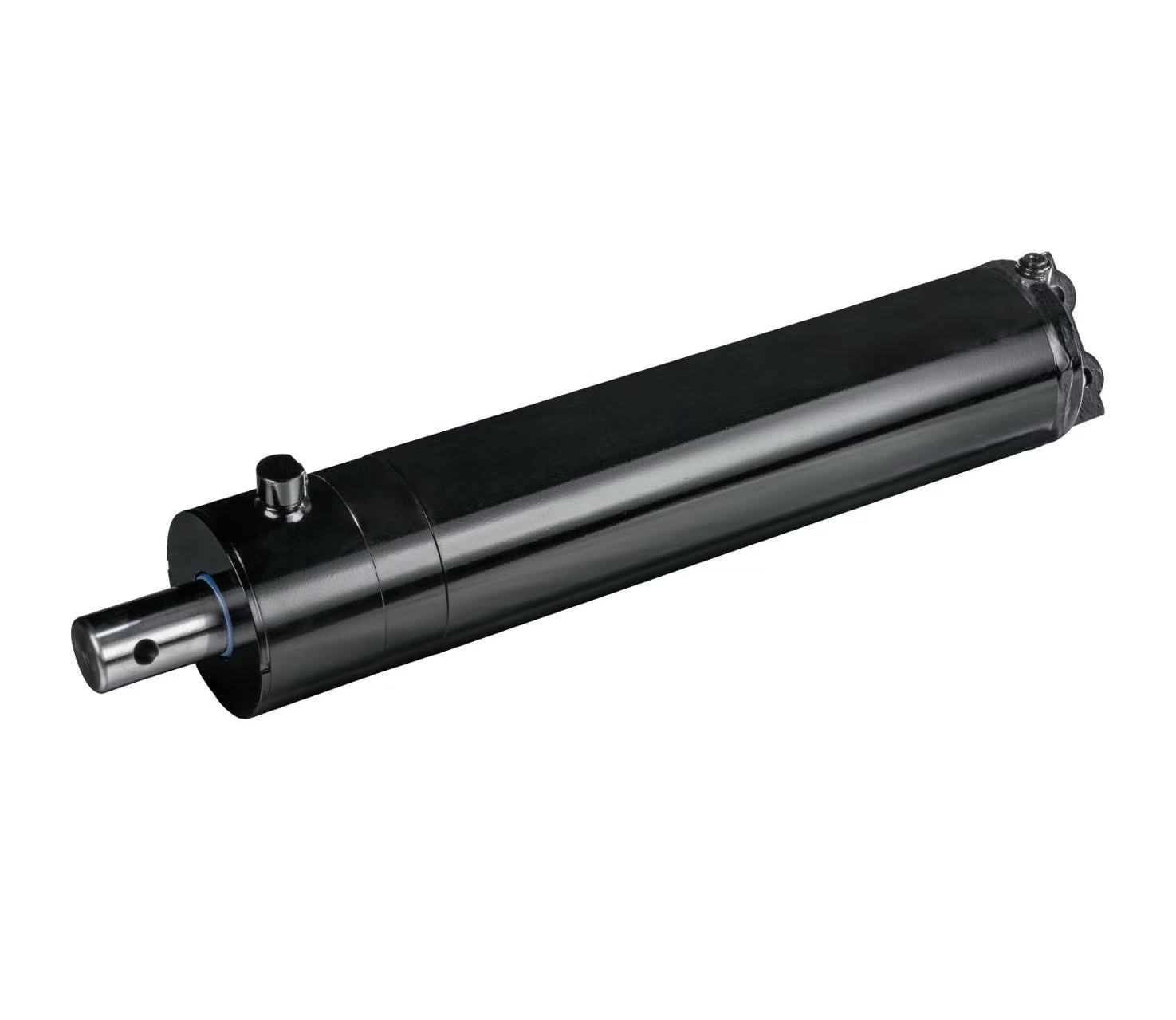
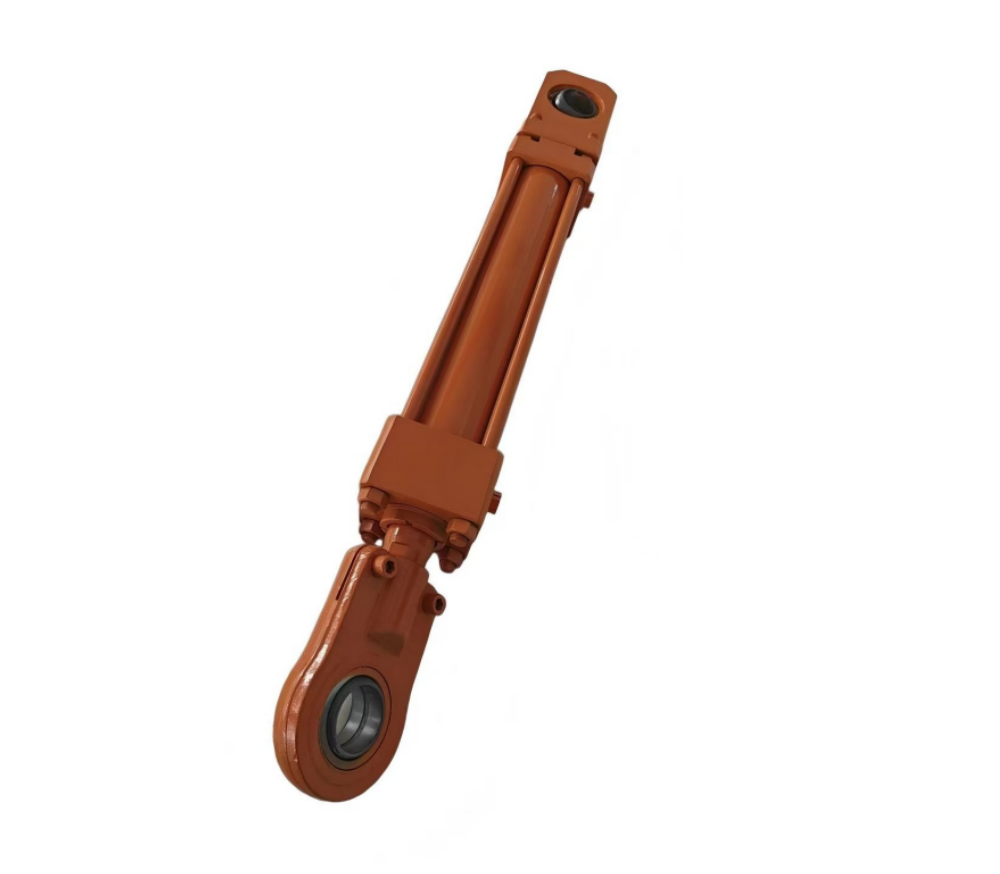
Multi-stage telescopic cylinders are vital components in many industrial applications, providing powerful lifting capabilities in a compact form. Whether they are used in construction machinery, agricultural equipment, or transportation systems, maintaining these cylinders properly is essential for ensuring their longevity and optimal performance. In this article, we'll discuss some important maintenance tips to help keep multi-stage telescopic cylinders running smoothly, preventing unnecessary downtime and costly repairs.
Why Proper Maintenance of Multi-Stage Telescopic Cylinders is Essential
Maintaining multi-stage hydraulic cylinders is crucial because they are subjected to high pressure and stress during operation. These cylinders feature multiple nested sections that extend and retract, which means they must operate smoothly to prevent mechanical issues and maintain efficiency. Regular maintenance can identify potential problems before they lead to serious damage, ensuring that the cylinders perform at their best throughout their lifespan. This is particularly important in industries where heavy lifting and demanding tasks are routine, as cylinder failure can lead to delays, accidents, and expensive repairs.
Inspecting the Seals of Multi-Stage Telescopic Cylinders
The seals of multi-stage telescopic cylinders play a critical role in maintaining hydraulic pressure and preventing leaks. Over time, seals can become worn, cracked, or damaged due to friction, heat, and exposure to harsh environmental conditions. It is important to inspect seals regularly for signs of wear or damage and replace them as necessary. Leaking seals can cause a loss of hydraulic fluid, which can reduce the performance of the cylinder and lead to further damage if not addressed promptly. Hutchin Hydraulic's multi-stage telescopic cylinders are designed with durability in mind, but regular seal inspections will help ensure their optimal performance.
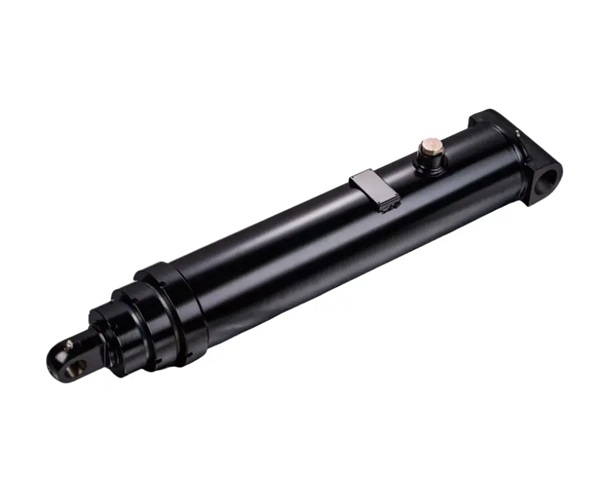
Lubrication: Ensuring Smooth Operation
Proper lubrication is key to the smooth operation of multi-stage telescopic cylinders. Lubricating the moving parts of the cylinder, such as the piston rods and sliding seals, reduces friction and wear, allowing for smooth extension and retraction. Regularly check and apply the recommended lubricants to these components as part of your maintenance routine. Inadequate lubrication can lead to increased friction, which may cause overheating, wear on the internal parts, and even failure of the cylinder over time. Hutchin Hydraulic's cylinders are built to handle extreme conditions, but maintaining proper lubrication is essential for preserving their longevity and reliability.
What Are the Signs of Wear and Tear on Multi-Stage Telescopic Cylinders?
As with any mechanical system, wear and tear are inevitable over time. However, identifying the signs of wear early can help prevent major issues. In multi-stage telescopic cylinders, look for indicators such as unusual noises, erratic movements, or visible damage to the piston rods and seals. These signs suggest that internal components may be experiencing friction or that the cylinder is not functioning as it should. Additionally, check for any signs of hydraulic fluid leakage, which could indicate a seal or component failure. Regular visual inspections and performance monitoring can help identify these issues before they escalate into more costly repairs.
Protecting the Cylinder from Harsh Environmental Conditions
Multi-stage telescopic cylinders are often exposed to harsh environmental conditions, including extreme temperatures, moisture, dirt, and corrosive elements. These conditions can accelerate wear and tear on the cylinder, affecting its performance. To protect the cylinder, consider implementing protective covers or shields to reduce exposure to dirt and debris. In environments where corrosion is a concern, using corrosion-resistant coatings on the cylinder can help extend its life. For example, Hutchin Hydraulic's multi-stage telescopic cylinders are designed to withstand demanding environments, but additional protective measures can further enhance their resilience and longevity.
Regular Fluid Checks and Maintenance for Hydraulic Systems
The hydraulic fluid within the multi-stage telescopic cylinder is essential for its operation, providing the necessary power to extend and retract the cylinder. Regular fluid checks are essential to ensure that the fluid is clean and at the correct level. Contaminants or degraded fluid can cause blockages, reduced performance, or damage to the internal components. Always check the fluid level and replace or clean the fluid as needed to maintain optimal performance. Additionally, ensure that the hydraulic system is free of air or moisture, as these elements can reduce the efficiency of the cylinder and cause operational issues.
References:
American Society of Mechanical Engineers (ASME): https://www.asme.org/
National Fluid Power Association (NFPA): https://www.nfpa.com/
Society of Automotive Engineers (SAE): https://www.sae.org/