A snowplow hydraulic system must raise the blade, lower it, and position it at the correct angle for moving snow. Although these movements are controlled by the same hydraulic power unit, the cylinders responsible for lifting and angling the blade perform different functions.
A lift cylinder primarily controls the blade’s vertical movement. Angle cylinders rotate or reposition the blade so that snow can be directed toward the left or right side of the vehicle.
Identifying the cylinder’s actual function is the first step in selecting a replacement. A cylinder that looks similar to the original may still be unsuitable if its stroke, mounting dimensions, hydraulic action, pressure rating, or port configuration differs.
What Is a Snow Plow Lift Cylinder?
The lift cylinder, sometimes called the lift ram, raises the snowplow blade and supporting frame.
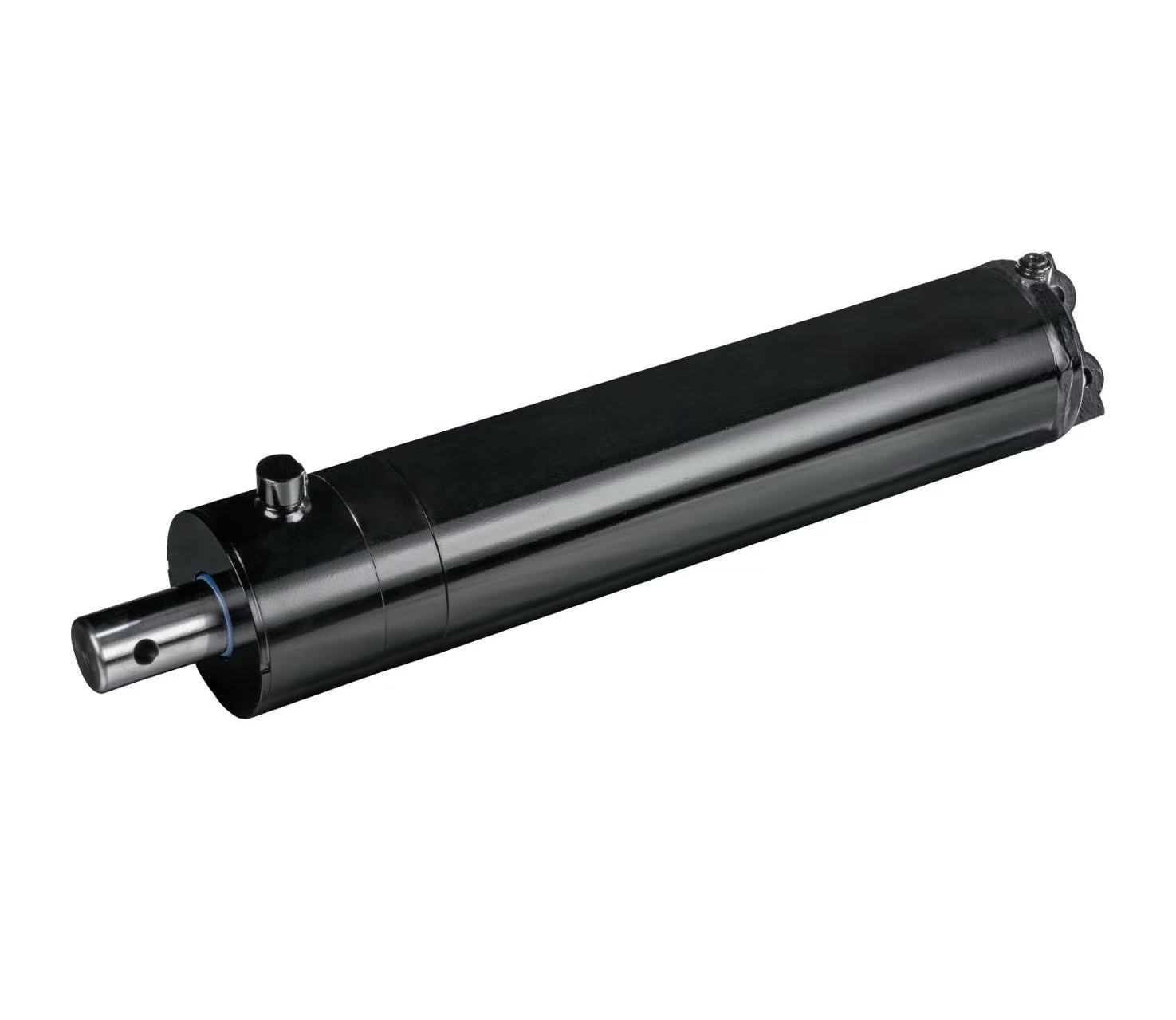
Some plows use a single-acting lift cylinder. Hydraulic pressure raises the blade, while gravity lowers it when the valve opens the return path. Other systems use a double-acting lift cylinder to provide hydraulic force in both directions.
A properly selected hydraulic cylinder for snow plow must match the blade weight, required movement, mounting dimensions, hydraulic circuit, and winter working environment. HUTCHIN’s snowplow range includes single-acting welded cylinders as well as double-acting and customized options.
Lift cylinders must handle repeated short cycles, vibration, low temperatures, moisture, road salt, and dynamic loads caused by vehicle movement.
What Are Snow Plow Angle Cylinders?
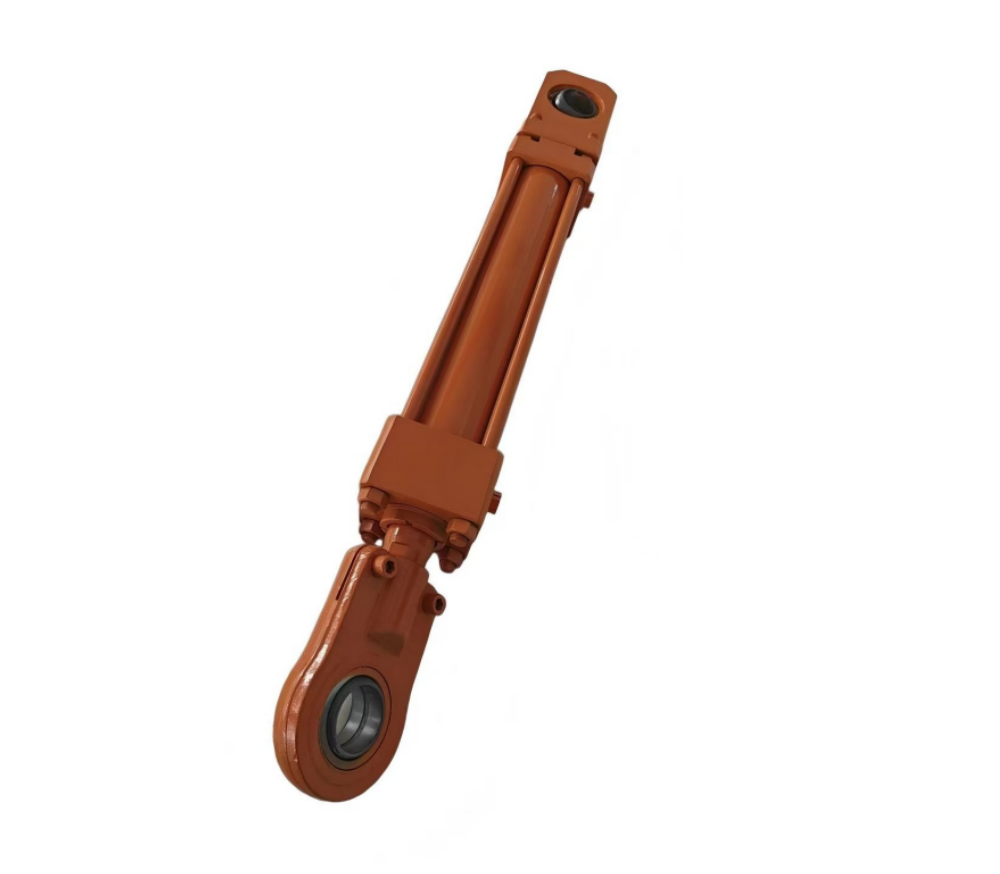
Angle cylinders position the blade horizontally. On a straight-blade plow, two opposed rams may be used so that extending one side moves the blade while fluid is displaced from the opposite side.
Other blade designs may use double-acting cylinders or multiple rams to control V, scoop, wing, and straight positions.
WESTERN’s snowplow manuals separately identify the lift ram and driver-side and passenger-side angle rams, confirming that the two cylinder functions use different positions within the hydraulic circuit.
Lift Cylinder vs. Angle Cylinder
| Comparison | Lift Cylinder | Angle Cylinder |
|---|
| Primary function | Raises or lowers the blade | Moves the blade left or right |
| Common hydraulic action | Often single-acting, but varies | Single- or double-acting |
| Main loading | Blade and frame weight | Snow reaction and horizontal blade force |
| Critical measurements | Retracted length and lift stroke | Pin centers, stroke, and paired compatibility |
| Common problem | Leakage or insufficient lift | Bent rod, side loading, or uneven angling |
A replacement cylinder must match the function of the original. An angle cylinder should not automatically be used as a lift cylinder simply because it fits between the mounting brackets.
How to Measure a Replacement Snowplow Cylinder
Before measurement, lower the blade completely, shut down the power unit, and release the stored hydraulic pressure according to the equipment manufacturer’s instructions.
Record the following details:
Retracted Pin-to-Pin Length
Measure from the center of one mounting pin to the center of the other while the cylinder is fully retracted.
Extended Pin-to-Pin Length
Extend the cylinder safely and measure between the same points. The difference between the retracted and extended dimensions is the stroke.
Bore and Rod Diameter
Bore controls the effective hydraulic area and therefore affects cylinder force. Rod diameter influences structural resistance and retract-side area in a double-acting design.
Do not assume that cylinders with similar external tube diameters have identical internal bores.
Mounting Dimensions
Measure the pin diameter, eye or clevis width, bushing size, and available bracket clearance. Even a small mismatch can prevent installation or introduce damaging misalignment.
Port Type and Location
Confirm the port thread, size, and orientation. HUTCHIN lists NPT, SAE, and BSP port options within its snowplow cylinder range.
Why Side Loading Causes Repeated Failures
Hydraulic cylinders are designed primarily to transmit force along their centerline. A worn pivot, bent frame, misaligned bracket, or seized blade mechanism can push the rod sideways.
Many snowplow actuators use compact welded cylinders because welded construction provides a compact body suitable for mobile equipment. However, a strong cylinder cannot permanently compensate for incorrect alignment.
Side loading can cause:
Whenever a cylinder is replaced, inspect the blade pivot, pins, bushings, brackets, and hoses. Replacing only the leaking cylinder may not solve the original cause.
Cold-Weather and Corrosion Considerations
Snowplow cylinders operate in a combination of low temperatures, water, abrasive debris, and deicing chemicals.
Inspect the rod surface for pitting, rust, and impact marks. A damaged rod can cut the rod seal each time it moves through the gland.
The hydraulic fluid and seals must also remain suitable at the lowest expected temperature. Cold fluid becomes more viscous, which may slow cylinder movement and increase pressure losses through hoses and valves.
Protective storage, regular cleaning, and corrosion-resistant rod and coating options can improve service life.
When Is a Custom Snowplow Cylinder Appropriate?
A custom design may be required when:
The original cylinder is discontinued;
The plow frame has been modified;
Standard pin centers do not match;
A special port position is necessary;
The equipment needs powered movement in both directions;
The application requires enhanced corrosion protection;
Repeated failure indicates that the original cylinder is underspecified.
In such cases, a custom hydraulic cylinder manufacturer can evaluate the existing unit and develop a replacement based on the real working conditions. HUTCHIN lists customization options covering bore, stroke, pressure, cushioning, rod materials, sensors, and mounting arrangements.
FAQs
Can an angle cylinder be used as a lift cylinder?
It should not be assumed that they are interchangeable. Stroke, bore, mounting dimensions, hydraulic action, and circuit function may differ.
Why does a snowplow cylinder leak more in winter?
Low temperature can affect seal flexibility and fluid viscosity. Salt, moisture, rod corrosion, and ice contamination can also accelerate seal damage.
Should both angle cylinders be replaced together?
Not always, but both should be inspected. A worn cylinder with excessive internal leakage may cause uneven blade movement even when the other cylinder is new.
Conclusion
Choosing the correct replacement begins with identifying whether the cylinder controls lifting or angling. The new cylinder must match the original stroke, retracted length, bore, rod diameter, mounting ends, port configuration, pressure rating, and hydraulic action.
Inspecting the surrounding brackets, pins, pivots, hoses, and blade mechanism is equally important because repeated cylinder failure is often caused by misalignment or worn equipment rather than the cylinder alone.