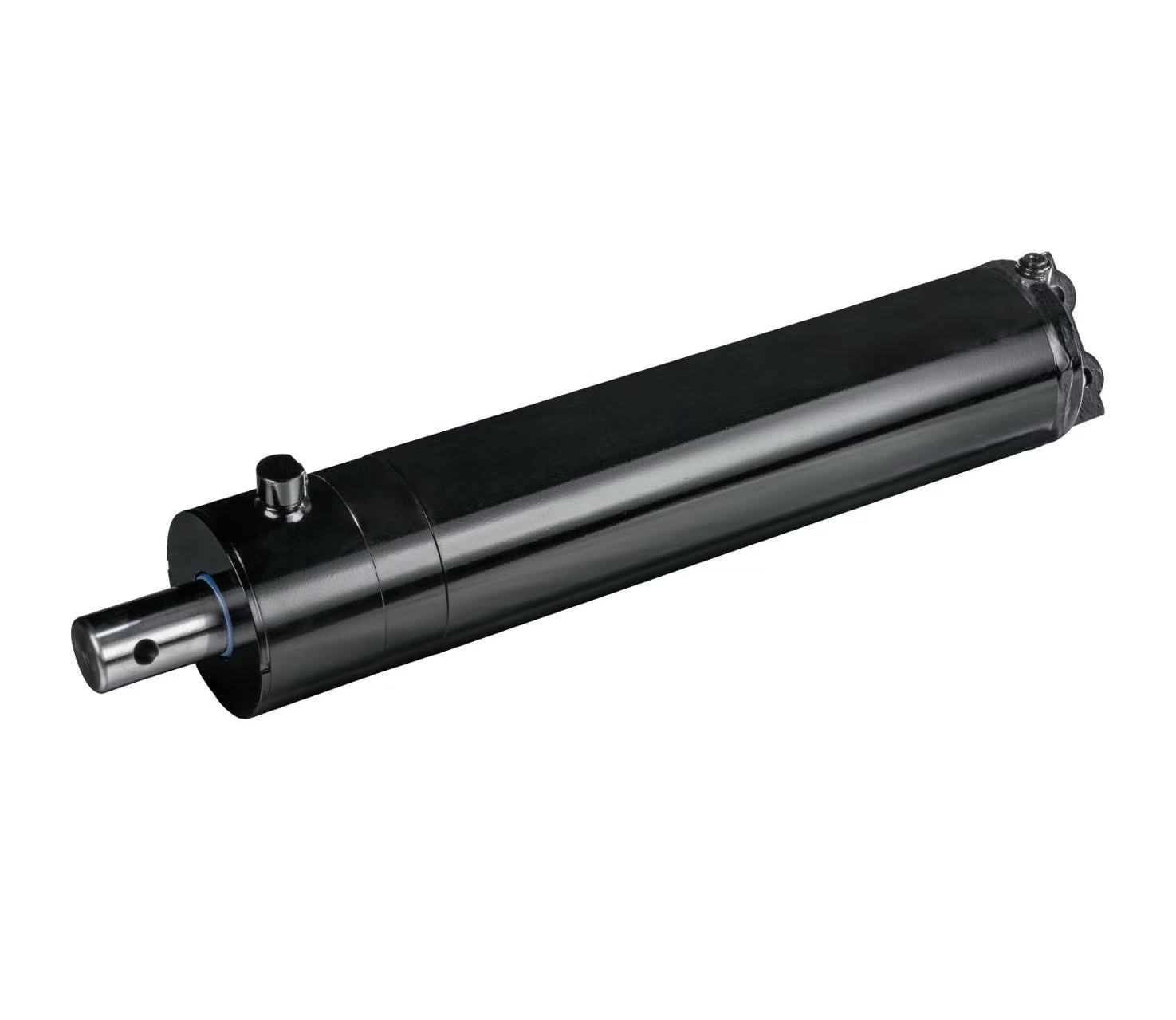
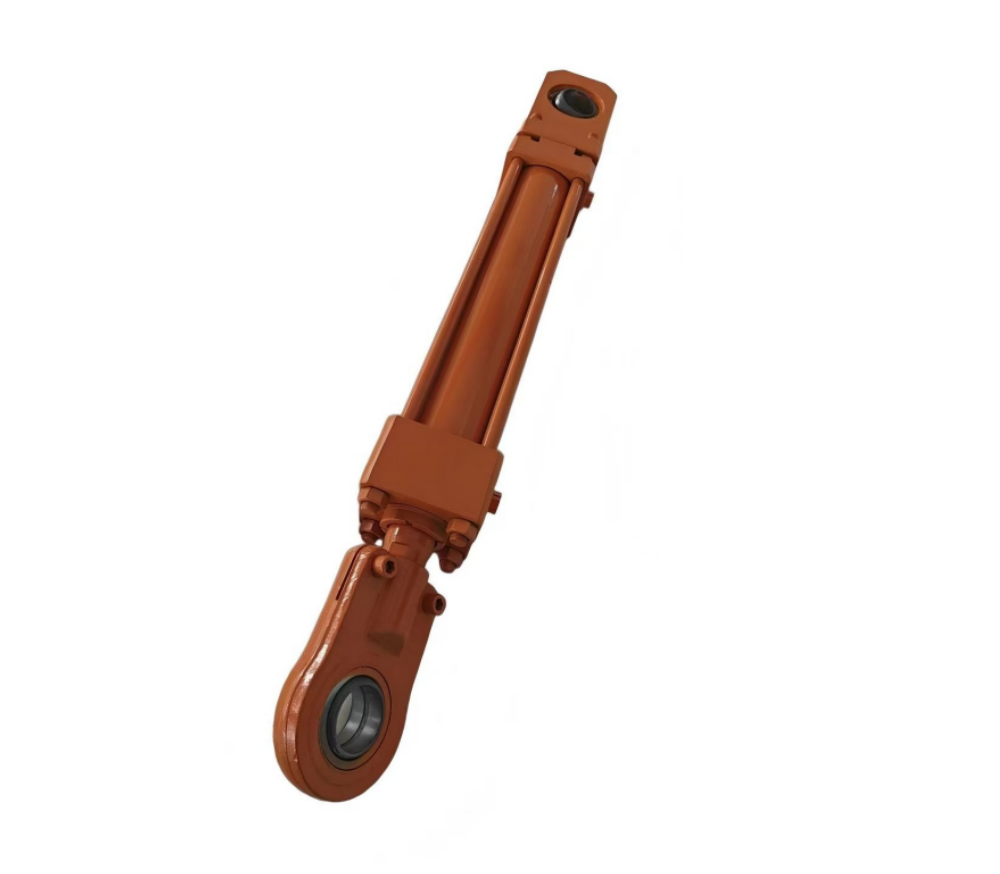
Hydraulic cylinders are the heart of any bucket truck, enabling the boom to extend, retract, and rotate with precision. To ensure that a bucket truck hydraulic cylinder continues to perform at its best, regular maintenance is essential. Without proper care, these cylinders may wear out prematurely, leading to inefficient operation or even system failure.
The Importance of Regular Inspections for Bucket Truck Hydraulic Cylinders
Routine inspections of the bucket truck hydraulic cylinder are crucial to ensuring that it operates efficiently and safely. Inspections should focus on identifying signs of wear, corrosion, or leakage. One of the most common issues with hydraulic cylinders is seal failure, which can lead to fluid leakage and a loss of pressure. By inspecting the seals and other components regularly, operators can spot early signs of damage and address them before they result in more costly repairs or downtime.
During an inspection, operators should check for any signs of physical damage to the cylinder, such as dents, cracks, or bent rods, which could compromise the structural integrity. It's also important to monitor the hydraulic fluid levels and ensure there is no contamination or air in the system, as this can cause erratic performance and even damage the cylinder over time.
In addition to visual inspections, operators should also test the hydraulic system's performance. This includes ensuring that the boom moves smoothly and without hesitation. Any unusual sounds, such as grinding or whining, could indicate internal damage or a need for lubrication. Regular inspections can help detect these issues early, allowing for timely repairs that keep the truck in top condition.
Proper Lubrication and Fluid Maintenance for Optimal Hydraulic Cylinder Performance
Hydraulic systems rely heavily on the quality and consistency of their fluid. Proper fluid maintenance is one of the most critical aspects of maintaining a bucket truck hydraulic cylinder. Hydraulic fluid lubricates the moving parts within the cylinder and reduces friction, which in turn minimizes wear and tear. Over time, however, the fluid can become contaminated with dirt, debris, or moisture, reducing its efficiency and potentially damaging the hydraulic components.
To ensure optimal performance, it is essential to change the hydraulic fluid according to the manufacturer's recommended intervals. The fluid should be clean, at the proper level, and free of any contaminants. Additionally, using the correct type of fluid is crucial. Always refer to the manufacturer's specifications when selecting hydraulic fluid, as using the wrong type can lead to poor performance or damage to the system.
Lubrication of the bucket truck hydraulic cylinder components, especially the piston rod and seals, is also essential. Regularly applying grease to these areas prevents rust and corrosion, ensuring smooth operation and prolonging the lifespan of the cylinder. Greasing the cylinder rod can also prevent the entry of contaminants that could cause internal wear. Ensure that the lubricant used is compatible with the hydraulic fluid to prevent any chemical reactions that could degrade the performance.
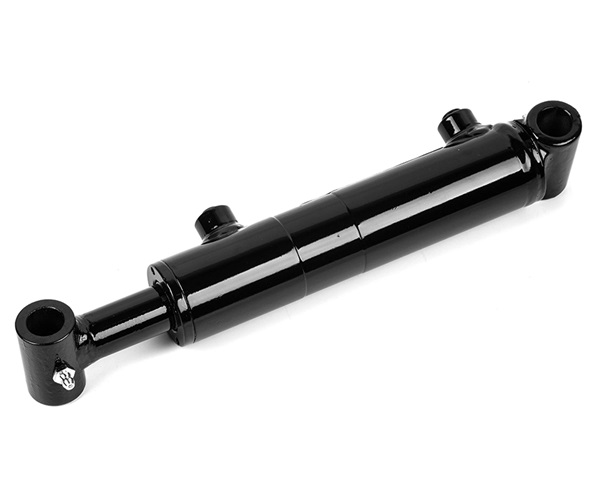
How to Prevent and Address Hydraulic Cylinder Leaks
Leaks are one of the most common issues faced by bucket truck hydraulic cylinders. A small leak can gradually lead to a loss of hydraulic pressure, affecting the efficiency and effectiveness of the boom operation. It's important to detect and address leaks as soon as they are noticed.
The first step in addressing hydraulic leaks is identifying the source. Leaks can occur at the cylinder seals, the hydraulic lines, or at the connection points. During inspections, operators should carefully examine the seals for cracks or wear. If any issues are found, replacing the seals promptly can prevent further damage. It's also essential to check the hydraulic hoses for signs of wear, cuts, or abrasions that could lead to leaks.
In some cases, leaks can be caused by over-pressurization of the system. This is often the result of faulty pressure relief valves. Ensuring that the pressure relief valves are functioning correctly can prevent this issue from occurring. Additionally, operators should ensure that all connections are tightened properly, as loose fittings are a common source of leaks.
Addressing leaks early is crucial because even small amounts of hydraulic fluid loss can lead to reduced system performance. If left untreated, these leaks can result in greater damage and more expensive repairs.
The Role of Cylinder Alignment and Proper Handling in Maintenance
Proper alignment and handling of the bucket truck hydraulic cylinder are essential for maintaining smooth operation and preventing premature wear. Misalignment can cause the piston rod to bind or exert uneven pressure, leading to damage within the cylinder. This is why it's important to ensure that the cylinder is properly aligned during installation and when making any adjustments to the boom.
During operation, it's also important for operators to handle the bucket truck carefully. Avoid overloading the system by exceeding the lifting capacity of the hydraulic cylinder, as this can cause undue stress on the entire hydraulic system. Sudden, jerky movements can also place unnecessary strain on the cylinder, leading to faster wear. By maintaining steady and controlled operations, operators can reduce the risk of damaging the hydraulic system.
Additionally, avoiding contact with debris or harsh environments can help maintain the integrity of the cylinder. When working in dusty, muddy, or corrosive environments, using covers or seals to protect the hydraulic components can prevent contaminants from entering the system. Regular cleaning of the hydraulic cylinders, especially after working in harsh conditions, helps to keep dirt and grime from affecting the cylinder's performance.
The Importance of Professional Maintenance for Bucket Truck Hydraulic Cylinders
While regular inspections and basic maintenance can be done by operators, professional maintenance is also essential for ensuring the long-term health of bucket truck hydraulic cylinders. Certified technicians have the expertise to perform more in-depth checks and repairs that may not be immediately visible to operators. This includes performing pressure tests, inspecting internal components, and replacing parts that are showing signs of wear.
Scheduling routine professional servicing can help identify potential issues before they become major problems. For example, technicians can check for internal hydraulic fluid contamination that might not be visible externally. Regular servicing can also extend the lifespan of hydraulic cylinders, helping to avoid expensive downtime or replacement costs.
A professional technician can also recalibrate the hydraulic system, ensuring that the pressure settings and flow rates are accurate and optimal for safe and efficient operation. Regular professional maintenance ensures that the bucket truck remains compliant with safety regulations and meets industry standards.
Conclusion
Maintaining bucket truck hydraulic cylinders is essential to ensure optimal performance, extend the life of the equipment, and keep operations running smoothly. By performing regular inspections, maintaining proper lubrication, addressing leaks early, and handling the equipment with care, operators can prevent costly breakdowns and improve the efficiency of their bucket trucks. Professional maintenance further enhances the longevity of the hydraulic system, allowing it to continue delivering precise, reliable performance. With a strong focus on maintenance, fleet owners can keep their bucket trucks in top condition, ensuring safe, efficient, and productive operations.