The difference between a 2,500 PSI and a 3,000 PSI tie rod hydraulic cylinder is not simply that one is stronger than the other. Pressure rating, bore size, rod diameter, stroke, mounting dimensions, machine geometry, and duty cycle must be evaluated together.
A correctly sized 2,500 PSI cylinder may provide more usable force than a smaller 3,000 PSI cylinder. Similarly, installing a higher-pressure-rated cylinder will not improve performance if the hydraulic power unit cannot supply the required pressure or flow.
The correct pressure class is the one that safely matches the equipment’s designed working pressure while providing the required force within the available installation space.
What Does the PSI Rating Mean?
PSI is a measure of hydraulic pressure in pounds per square inch. Cylinder force is produced when the pressure acts across the effective piston area.
The basic theoretical relationship is:
Cylinder force = hydraulic pressure × effective area
Parker uses the same relationship in its cylinder sizing guidance. The calculated value is theoretical; actual available force may be lower because of friction, pressure losses, mounting angle, and other system conditions.
A cylinder’s pressure rating does not mean that the system should always operate at that pressure. Normal working pressure, peak pressure, and the relief-valve setting should remain within the safe limits of the cylinder and all other hydraulic components.
Force Comparison Using the Same Bore
Consider two cylinders with a 2-inch bore.
The piston area is approximately 3.14 square inches. Ignoring losses:
At 2,500 PSI, theoretical extension force is approximately 7,850 lbf;
At 3,000 PSI, theoretical extension force is approximately 9,425 lbf.
At the same bore size, the 3,000 PSI condition provides approximately 20% more theoretical force.
However, a 3-inch-bore cylinder operating at 2,500 PSI provides substantially more force than a 2-inch-bore cylinder operating at 3,000 PSI. This demonstrates why bore size cannot be separated from the pressure rating.
When Should You Choose a 2500 PSI Cylinder?
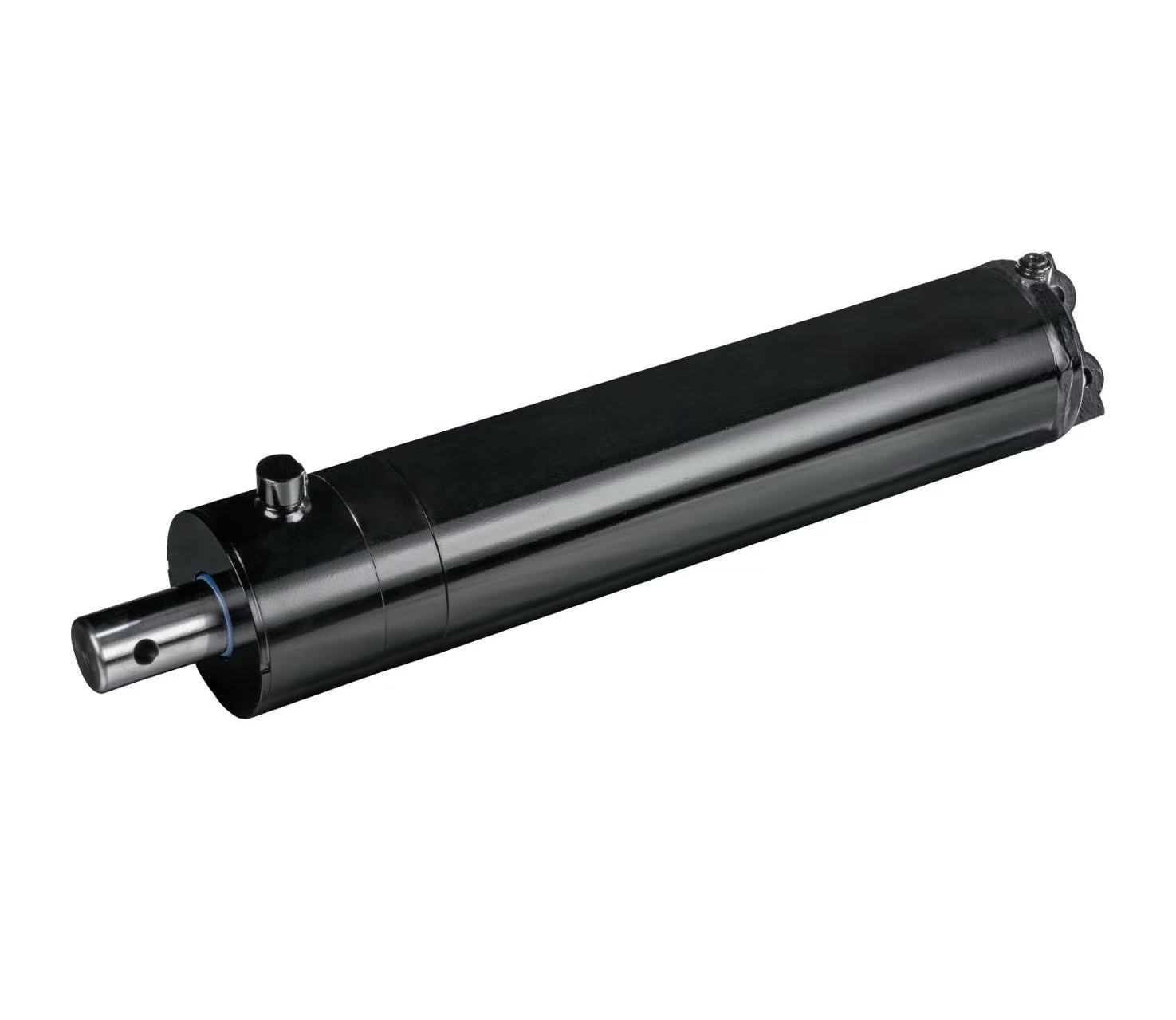
HUTCHIN’s 2500 PSI hydraulic cylinders are double-acting tie rod cylinders designed for light- and medium-duty applications. Their tie rod construction supports maintenance and component replacement.
A 2,500 PSI cylinder may be appropriate when:
The hydraulic system normally operates below 2,500 PSI;
The required force can be achieved with a standard bore;
The equipment has a light or moderate duty cycle;
Agricultural or utility equipment uses standard dimensions;
Serviceability and economical replacement are priorities;
The existing hoses, valves, and pump are designed for this pressure class.
Selecting a higher pressure rating than necessary does not automatically increase equipment life. If the machine is designed for a moderate load and lower working pressure, a correctly sized 2,500 PSI cylinder may be the more practical option.
When Should You Choose a 3000 PSI Cylinder?
A 3000 PSI hydraulic cylinder may be more suitable when the equipment is designed for a higher working pressure or requires more force from a limited bore diameter.
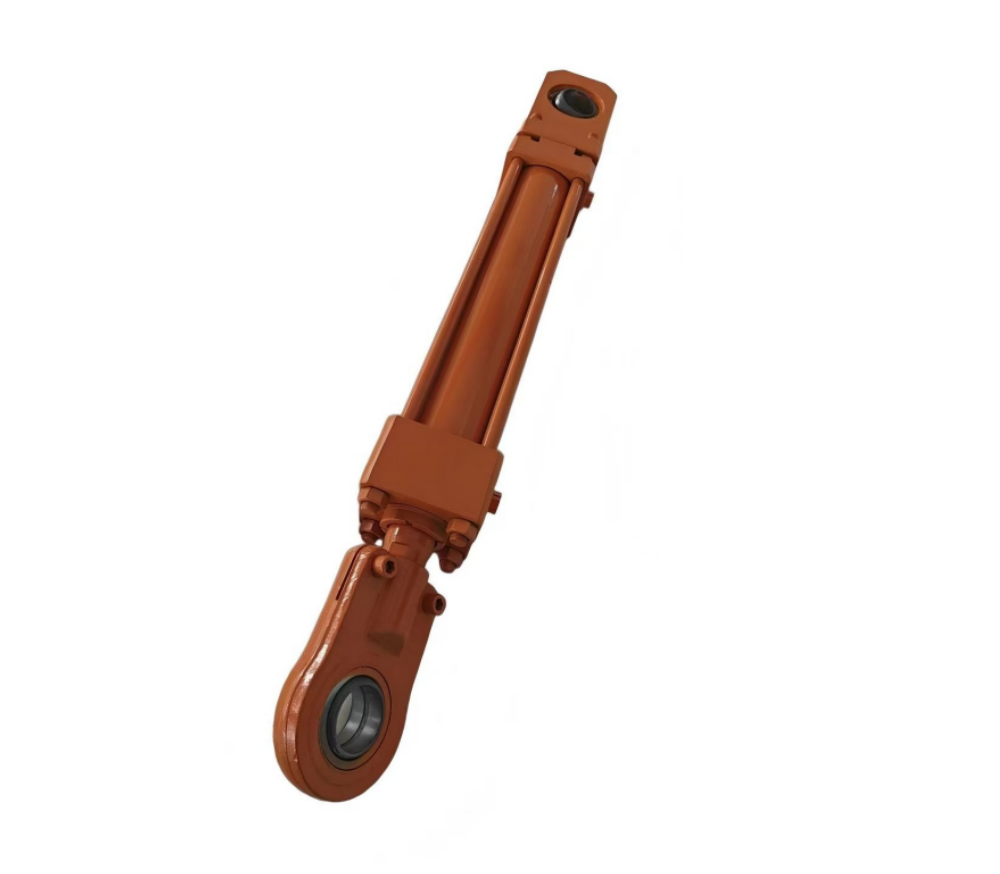
HUTCHIN positions its 3,000 PSI tie rod series for medium-duty applications. Available specifications include different bore-and-stroke combinations, pin dimensions, and port options.
A 3,000 PSI model may be appropriate when:
The machine’s normal operating pressure exceeds 2,500 PSI;
Installation space restricts the maximum cylinder bore;
Higher force is required from a compact cylinder;
Existing system components are rated for 3,000 PSI;
The equipment manufacturer specifies this pressure class;
The cylinder operates under more demanding loading conditions.
The relief pressure should not be increased simply because a 3,000 PSI cylinder has been installed. The pump, valve block, hoses, fittings, mountings, and machine frame must all be approved for the increased load.
Bore Size vs. System Pressure
When greater force is needed, designers can increase the piston area, increase the system pressure, or modify the machine geometry.
Increasing the bore provides more force at the same pressure but also increases oil consumption. With the same pump flow, a larger-bore cylinder normally moves more slowly.
Increasing the pressure can provide more force without increasing the outside diameter, but every pressure-containing component must be suitable for the higher rating.
The decision affects:
For this reason, pressure selection should be part of the overall equipment design rather than an isolated cylinder decision.
Why Rod Diameter Also Matters
In a double-acting cylinder, the extension and retraction forces are different.
During extension, pressure acts on the full piston area. During retraction, the rod occupies part of the available area, so the effective retracting area is smaller.
Rod diameter therefore affects:
Retraction force;
Retraction speed;
Resistance to bending;
Buckling capacity;
Overall cylinder weight.
A long-stroke cylinder pushing a compressive load may require a larger rod even when the basic hydraulic-force calculation indicates that a smaller rod can generate enough force.
Compare the Complete Cylinder Specification
Buyers comparing tie rod hydraulic cylinders should review more than the PSI number. HUTCHIN’s product range includes separate 2,500 PSI and 3,000 PSI tie rod series for different application requirements.
| Selection Factor | 2500 PSI Series | 3000 PSI Series |
|---|
| Typical duty | Light to medium | Medium or more demanding |
| Force at same bore | Lower | Approximately 20% higher at full rating |
| Main advantage | Practical standard solution | More force from the same bore |
| Main concern | Confirm sufficient load capacity | Confirm the entire system supports the pressure |
| Serviceability | Tie rod construction | Tie rod construction |
Other specifications to confirm include:
FAQs
Can a 2500 PSI cylinder be replaced with a 3000 PSI cylinder?
Possibly, provided the bore, rod, stroke, closed length, mounting dimensions, and port configuration are compatible. The hydraulic pressure should not be increased without system approval.
Will a 3000 PSI cylinder move faster?
Not necessarily. Cylinder speed is mainly determined by oil flow and effective area. Pressure primarily determines available force.
Is a larger bore always better?
No. A larger bore increases force but also needs more oil, may move more slowly, and requires more installation space.
Conclusion
The choice between a 2,500 PSI and 3,000 PSI tie rod cylinder should be based on actual system pressure, required force, bore, rod diameter, stroke, mounting geometry, and working duty.
A 2,500 PSI cylinder is often suitable for agricultural and moderate-duty equipment, while a 3,000 PSI model may be appropriate when higher system pressure or greater force from a compact bore is required. Selecting the lowest practical pressure class that safely satisfies the application normally provides the best balance of performance, serviceability, and cost.