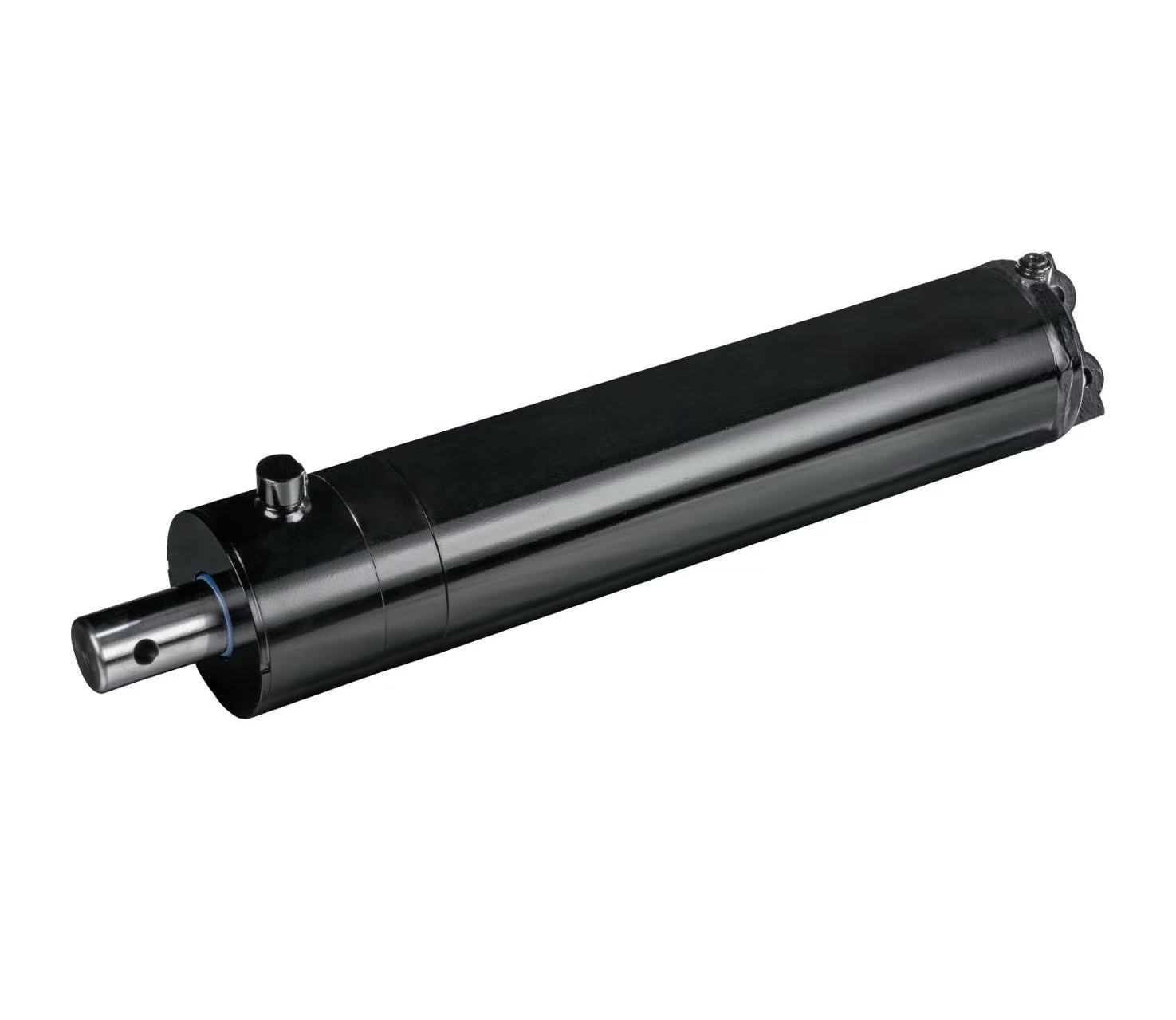
Forestry machines are designed to work in environments where reliability and durability are essential. From steep forest slopes and uneven terrain to muddy roads and outdoor exposure, logging equipment must handle heavy loads, strong impacts, and continuous operating cycles. In these challenging conditions, hydraulic components directly affect machine performance and service life. A reliable forestry hydraulic cylinder provides stable force for lifting, steering, gripping, and positioning while maintaining consistent operation in harsh environments.
For forestry equipment manufacturers, logging machinery suppliers, and hydraulic system engineers, selecting the right cylinder is a key factor in improving equipment efficiency. Compared with standard hydraulic components, forestry-specific designs offer stronger protection against external damage and better adaptability for heavy-duty applications.
Why Forestry Equipment Requires Specialized Hydraulic Cylinders
Forestry machinery faces some of the most demanding working conditions in the industrial sector. Equipment often operates on unstable ground while handling heavy timber, creating repeated impact forces and high mechanical stress on hydraulic systems.
Hydraulic cylinders play a critical role in forestry equipment by controlling important movements such as lifting booms, adjusting attachments, operating gripping systems, and positioning heavy materials. Since these functions require frequent movement under high loads, ordinary cylinders may experience faster wear when exposed to dust, moisture, and vibration.
A specialized forestry hydraulic cylinder is designed to overcome these challenges through stronger structures, improved sealing performance, and application-focused engineering. For forestry machines equipped with lifting attachments, a suitable hydraulic cylinder for crane can also provide stable lifting control and improve operational reliability.
Key Features That Define a Reliable Forestry Hydraulic Cylinder
A dependable hydraulic cylinder for forestry applications needs to combine strength, durability, and flexibility. Several design features determine whether it can perform effectively in extreme outdoor environments.
High Load Capacity and Structural Strength
Forestry equipment frequently handles heavy timber and operates under sudden impact loads. Reinforced cylinder tubes and durable welded structures help increase load capacity while reducing the risk of deformation during demanding operations. This allows hydraulic cylinders to maintain stable performance during long working cycles.
Excellent Sealing and Environmental Protection
Mud, dust, and water exposure can affect hydraulic system performance. High-quality sealing systems prevent contaminants from entering the cylinder, reducing internal wear and extending service life. Corrosion-resistant materials and protective treatments also improve durability in outdoor applications.
Flexible Mounting Options for Different Equipment Designs
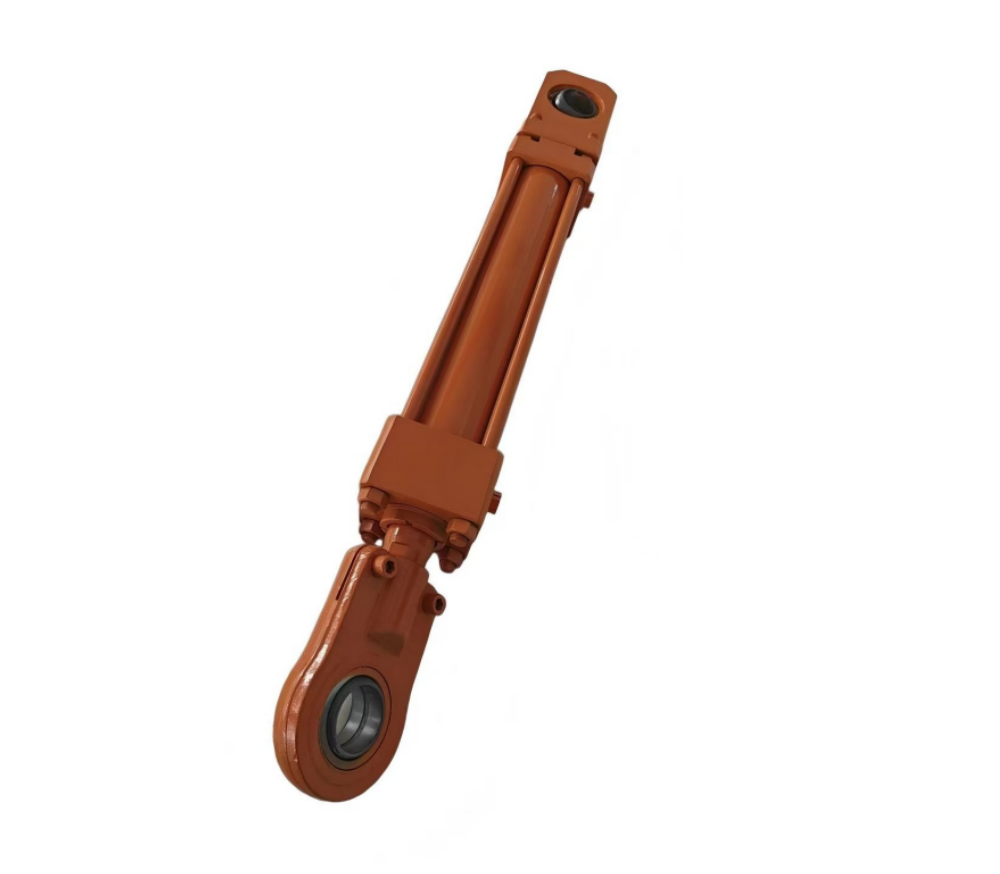
Different forestry machines require different installation methods. A pin eye hydraulic cylinder provides a secure connection solution for many heavy-duty applications, supporting smooth movement and reliable operation.
How Multi-Stage Hydraulic Cylinders Improve Forestry Machinery Performance
Many forestry machines require extended movement while operating within limited installation space. Traditional cylinders may need larger dimensions to achieve longer strokes, which can create design limitations for compact equipment.
A multi stage hydraulic cylinder provides a practical solution by using multiple extending sections to achieve greater reach while maintaining a shorter retracted length. This design allows forestry equipment manufacturers to achieve longer working distances without significantly increasing cylinder dimensions.
Multi-stage designs are especially suitable for forestry loaders, lifting systems, and specialized machinery that requires both flexibility and space efficiency. By improving reach and maintaining compact installation requirements, these cylinders help enhance equipment versatility in complex working environments.
Forestry Hydraulic Cylinder Applications in Heavy-Duty Machinery
Forestry hydraulic cylinders are widely used across different types of heavy equipment. Logging machines rely on hydraulic systems to control cutting tools, gripping devices, and loading mechanisms. Tree harvesters require accurate hydraulic movement to improve productivity while operating on uneven terrain.
Material handling equipment also depends on hydraulic cylinders for lifting and positioning large timber loads. Some forestry machines equipped with lifting attachments require a hydraulic cylinder for crane system to achieve smooth and stable lifting performance.
Off-road forestry vehicles face constant vibration, impact, and changing weather conditions. Durable hydraulic cylinders help these machines maintain reliable operation and reduce downtime caused by component failures.
How to Choose the Right Hydraulic Cylinder for Forestry Applications
Choosing the correct hydraulic cylinder requires careful evaluation of equipment requirements and operating conditions. Engineers should consider factors such as working pressure, stroke length, mounting style, material strength, and environmental resistance.
| Selection Factor | Recommendation |
|---|
| Working pressure | 200-350 bar |
| Stroke length | 300-3000 mm |
| Mounting type | Pin eye, flange, welded |
| Material | High-strength steel |
| Environment | Outdoor corrosion resistance |
A properly selected cylinder should match the machine’s load requirements and working environment. Working with an experienced supplier like Hutchin Hydraulic helps customers identify suitable specifications and avoid performance issues caused by incorrect selection.
Why Choose Hutchin Hydraulic for Forestry Hydraulic Cylinder Solutions
Hutchin Hydraulic combines hydraulic cylinder manufacturing experience with engineering expertise to provide reliable solutions for demanding machinery applications. Through professional design capabilities, quality control processes, and customized solutions, the company supports customers requiring durable hydraulic components.
The company provides a range of hydraulic cylinder solutions, including welded cylinders, telescopic cylinders, and custom hydraulic cylinder designs. Customers can explore the product range, learn more about custom hydraulic cylinder solutions, or contact Hutchin Hydraulic for technical support based on specific equipment requirements.
A high-performance forestry hydraulic cylinder is an essential component for improving the reliability and productivity of forestry machinery. With strong construction, effective protection, and flexible design options, hydraulic cylinders can deliver dependable performance even in extreme terrain and challenging operating environments.
Frequently Asked Questions About Forestry Hydraulic Cylinders
What makes a forestry hydraulic cylinder different from standard cylinders?
A forestry hydraulic cylinder is designed for heavy loads, outdoor exposure, impact resistance, and frequent operation cycles. Compared with standard hydraulic cylinders, it provides stronger durability and better protection against harsh working conditions.
Can forestry hydraulic cylinders be customized?
Yes. Forestry hydraulic cylinders can be customized according to specific equipment requirements, including dimensions, stroke length, mounting style, pressure rating, and installation conditions.
Are multi-stage cylinders suitable for forestry equipment?
Yes. Multi-stage cylinders are especially useful for forestry equipment when long extension distances are required while installation space remains limited. Their compact retracted design makes them suitable for loaders, lifting systems, and specialized machinery.
What pressure ratings are common for forestry hydraulic cylinders?
Most heavy-duty forestry applications typically use hydraulic cylinders with working pressures around 200-350 bar. The exact pressure requirement depends on equipment design and operating conditions.
How do I select the correct cylinder size?
The correct cylinder size should be selected based on load requirements, stroke length, mounting design, working pressure, and environmental conditions. Proper evaluation helps ensure reliable performance and longer service life.