Modern cranes operate in environments where precision, strength, and reliability are essential. Whether lifting construction materials, handling heavy equipment, or extending long boom structures, every movement depends on stable hydraulic power. A high-performance hydraulic cylinder for crane applications provides the force and control needed for lifting, extension, positioning, and load management under demanding working conditions.
Unlike standard hydraulic components, crane cylinders must withstand high pressure, repeated operation cycles, and significant mechanical stress. For crane manufacturers and mobile equipment suppliers, selecting a reliable hydraulic solution is critical to improving safety, efficiency, and long-term equipment performance.
The Role of Hydraulic Cylinders in Modern Crane Systems
Hydraulic cylinders are core components in modern crane systems, converting hydraulic energy into controlled mechanical movement. They allow cranes to perform precise operations while handling extremely heavy loads.
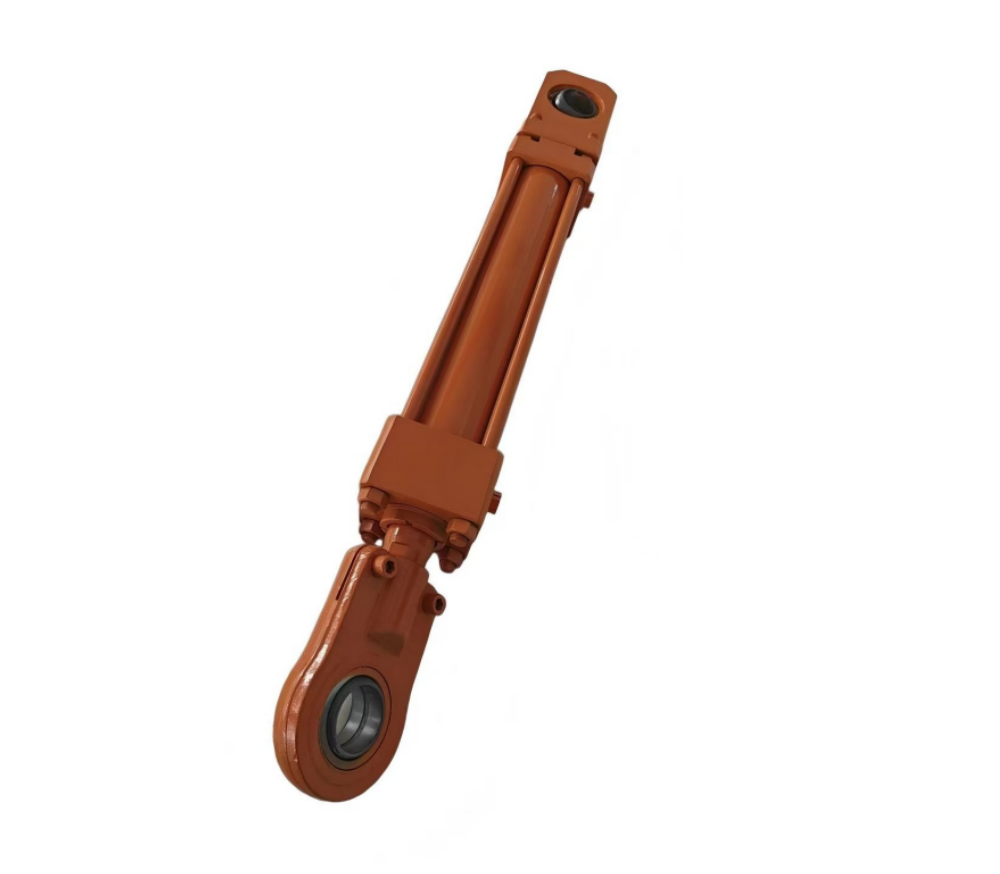
A hydraulic cylinder for crane systems is commonly used for several key functions, including boom lifting, boom extension, equipment positioning, and load control. By providing smooth and accurate movement, hydraulic cylinders help operators maintain stability when working with different load conditions.
In mobile cranes, truck cranes, and construction lifting equipment, hydraulic cylinders must deliver consistent performance even during frequent operation. Their design directly affects lifting accuracy, operational efficiency, and overall machine reliability.
Essential Performance Requirements for Crane Hydraulic Cylinders
Crane hydraulic cylinders operate under extreme working conditions, requiring strong structural performance and reliable hydraulic control. Several factors determine whether a cylinder can meet the demands of heavy lifting applications.
High Pressure Resistance
Crane systems often operate under high hydraulic pressure to generate sufficient lifting force. Cylinders must use strong materials and durable structures to withstand pressure fluctuations during heavy-duty operations.
Stable Movement and Precise Control
Smooth cylinder movement is essential for accurate crane positioning. High-quality hydraulic designs reduce vibration and ensure controlled extension and retraction during lifting tasks.
Fatigue Resistance for Long Service Life
Cranes frequently perform repeated lifting cycles. Hydraulic cylinders with strong welded structures and reliable sealing systems help reduce wear and maintain performance over thousands of operations.
| Parameter | Typical Range |
|---|
| Working pressure | 250-350 bar |
| Stroke | 500-5000 mm |
| Load capacity | 10-100 tons |
| Service cycle | Thousands of operations |
These performance requirements allow crane hydraulic cylinders to maintain reliability in construction sites, transportation operations, and industrial lifting environments.
Hydraulic Cylinder Types Used in Truck and Mobile Cranes
Different crane designs require different hydraulic cylinder structures to achieve specific movement requirements.
Telescopic Cylinders
Telescopic cylinders are widely used for boom extension applications. Their multi-section design allows cranes to achieve longer reach while maintaining a compact retracted size, making them suitable for truck cranes and mobile lifting equipment.
Welded Cylinders
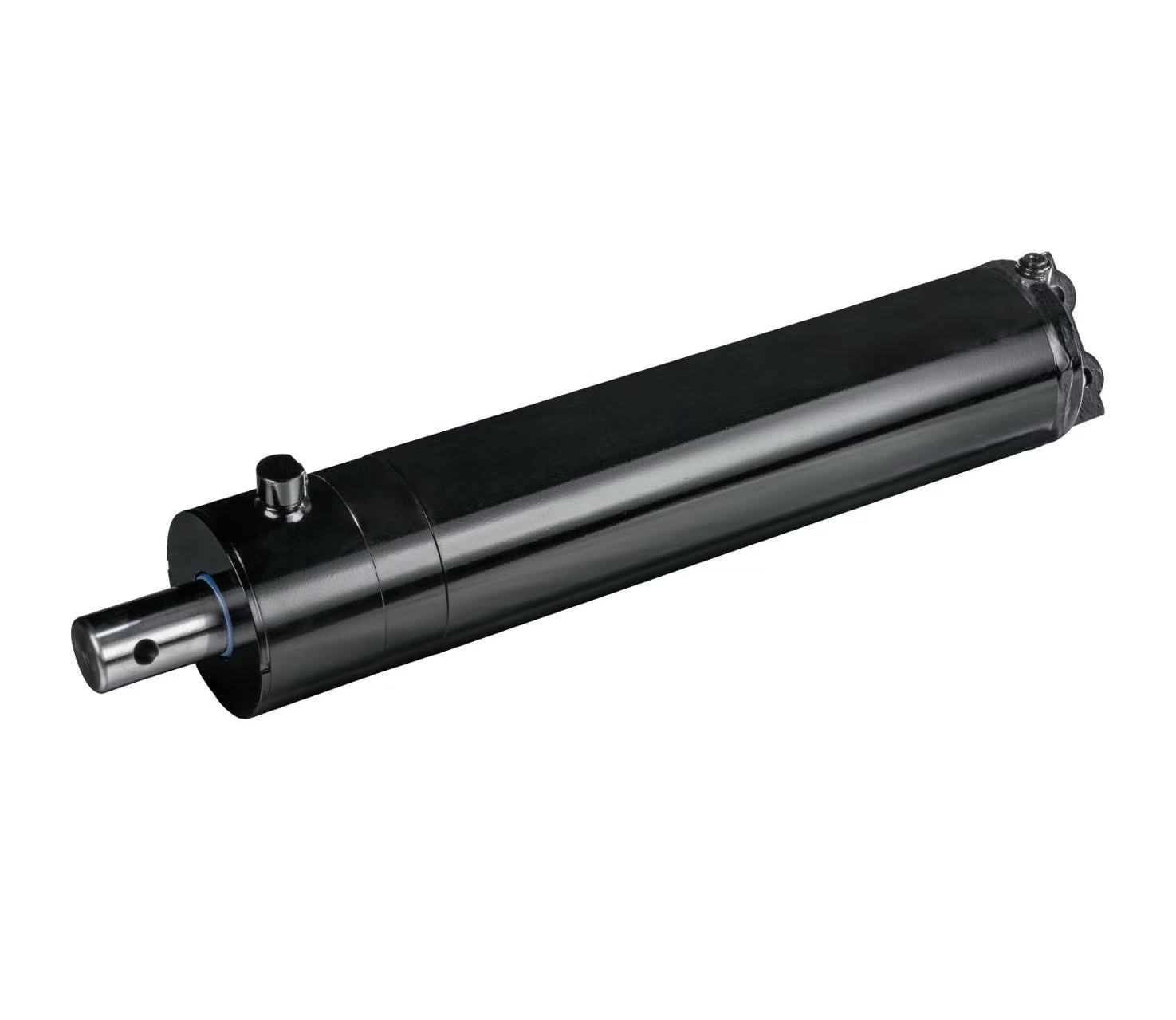
Welded cylinders are commonly selected for heavy-duty lifting applications because of their strong construction and compact design. They are suitable for environments where high load capacity and durability are required.
Multi-Stage Cylinders
A multi-stage design provides extended stroke capability while reducing installation space requirements. These cylinders are often used when crane equipment requires both long extension distance and flexible configuration.
For many lifting applications, a reliable crane cylinder helps improve equipment performance by providing stable force and accurate movement control.
How Truck Hoist Cylinders Support Heavy Material Handling
Heavy material handling vehicles rely on hydraulic systems to lift and unload large loads efficiently. A truck hoist cylinder plays an important role in dump trucks, refuse trucks, and construction vehicles by providing the lifting force required for tipping and material discharge operations.
In dump trucks, hydraulic cylinders allow the cargo bed to raise smoothly under heavy loads. Refuse trucks use similar hydraulic solutions for handling waste containers and compression systems. Construction vehicles also depend on hydraulic cylinders for improved flexibility and productivity.
Choosing the correct cylinder design helps these vehicles achieve reliable operation while reducing maintenance requirements in demanding working environments.
Hydraulic Cylinder Selection Guide for Crane Manufacturers
Selecting the right hydraulic cylinder requires careful evaluation of equipment requirements and operating conditions. Crane manufacturers should consider several important factors before choosing a hydraulic solution.
| Selection Factor | Consideration |
|---|
| Load requirement | Match cylinder force with lifting capacity |
| Pressure rating | Select according to hydraulic system pressure |
| Mounting design | Ensure proper installation and alignment |
| Stroke length | Meet required movement distance |
| Working environment | Consider outdoor exposure and operating conditions |
For specialized lifting equipment, components such as a dump truck hydraulic piston should also be evaluated based on load conditions, durability requirements, and application environment.
Why Partner With Hutchin Hydraulic for Crane Cylinder Manufacturing
Hutchin Hydraulic provides hydraulic cylinder solutions designed for demanding industrial applications, including crane systems, mobile equipment, and heavy-duty machinery. With extensive hydraulic cylinder manufacturing experience, the company focuses on reliable design, quality control, and application-based solutions.
Hutchin Hydraulic offers a wide range of hydraulic products, allowing customers to explore suitable cylinder options through its product range. The company also provides OEM Service support for customers requiring application-specific cylinder designs and technical assistance.
From material selection and structural design to performance testing, Hutchin Hydraulic helps customers develop hydraulic solutions that meet heavy-load requirements. Customers can contact Hutchin Hydraulic for professional support when selecting cylinders for crane and lifting applications.
A dependable hydraulic cylinder for crane systems is essential for achieving precise control, stable operation, and long-term reliability in modern lifting equipment. With the right cylinder design, cranes can perform safely and efficiently even under the most challenging load conditions.
Frequently Asked Questions About Crane Hydraulic Cylinders
What hydraulic cylinder is used in cranes?
Cranes typically use telescopic cylinders, welded cylinders, and multi-stage cylinders depending on lifting requirements, boom structure, and installation conditions.
How does a crane cylinder handle heavy loads?
A crane cylinder handles heavy loads through high-pressure hydraulic force, reinforced structures, durable materials, and reliable sealing systems.
What pressure does a crane hydraulic system use?
Most heavy-duty crane hydraulic systems operate within approximately 250-350 bar, depending on equipment design and application requirements.
Can crane cylinders be customized?
Yes. Crane cylinders can be customized according to stroke length, mounting style, dimensions, pressure requirements, and equipment specifications.
What causes crane cylinder failure?
Common causes include seal wear, contamination, excessive pressure, improper maintenance, and unsuitable cylinder selection.
How often should crane cylinders be inspected?
Inspection frequency depends on operating conditions and usage intensity. Regular checks help identify leaks, wear, and potential performance issues before failure occurs.