Hydraulic cylinders are built to handle extreme pressure and mechanical loads—especially in construction, agriculture, and waste-handling equipment. But when it comes to maintenance or customization, one question often arises:
Can hydraulic cylinder piston rods or bodies be welded safely?
The short answer is yes—but only under specific conditions, using the right process, materials, and precautions. Let’s break down what you need to know before attempting any welding on a hydraulic cylinder assembly.

Understanding Welded Hydraulic Cylinders
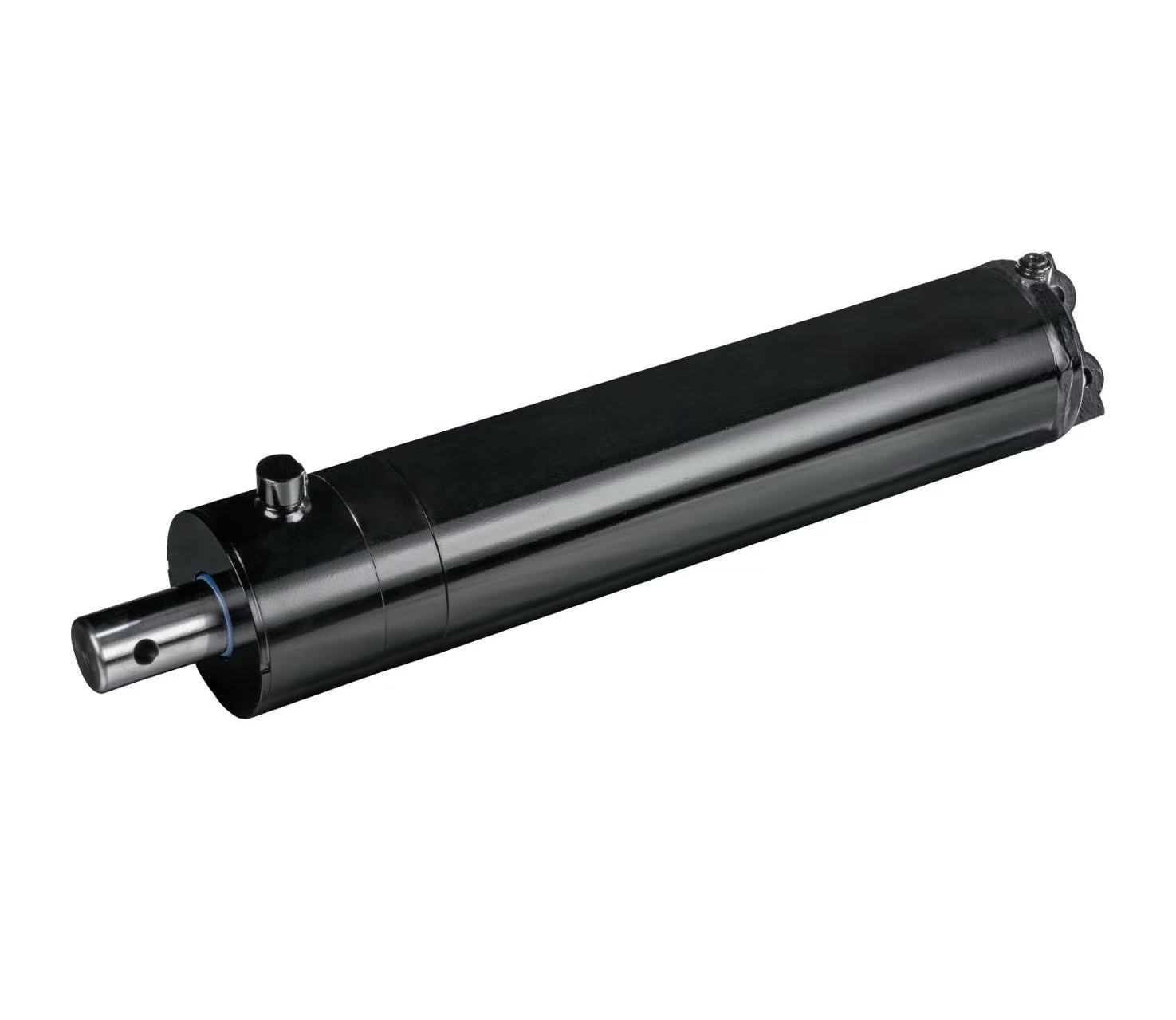
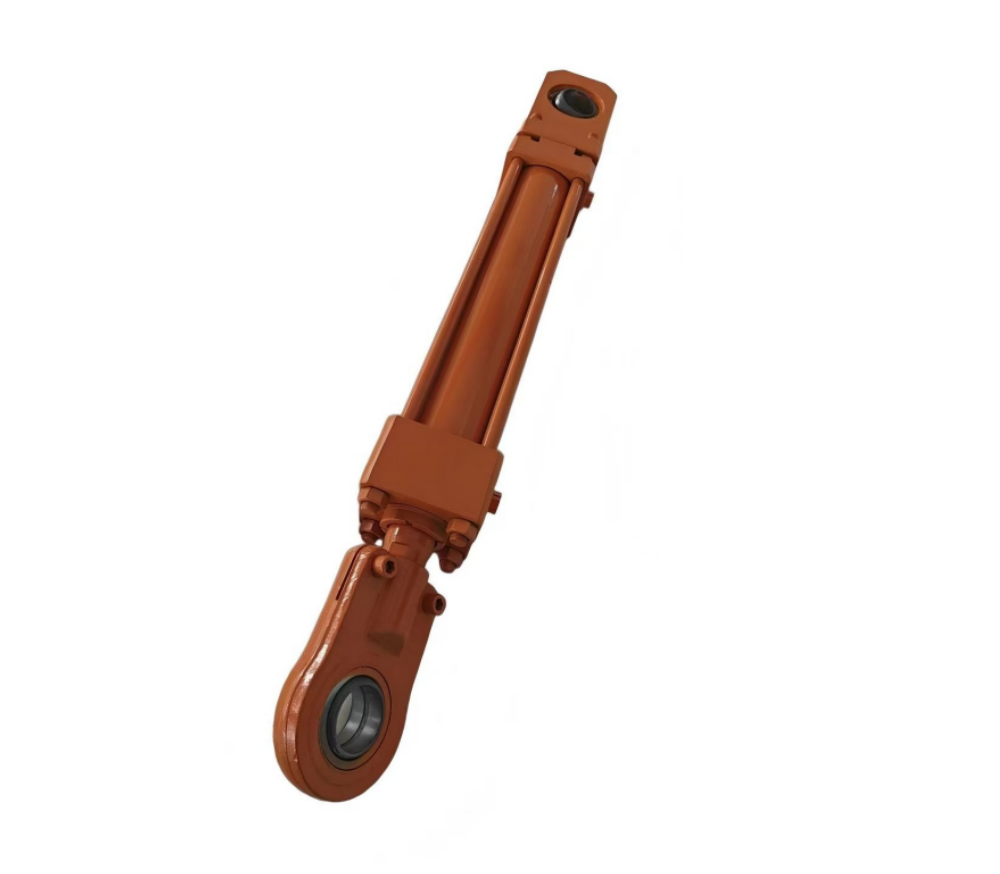
Hydraulic cylinders are typically available in two main constructions: tie-rod and welded.

The ACL Adjustable Welded Clevis Hydraulic Cylinder from Hutchin Hydraulic belongs to the latter group—featuring a heavy-duty welded body with a threaded adjustable clevis for versatile positioning.
Welded cylinders offer:
However, while the factory welds are precisely engineered and stress-tested at up to 3000 PSI, field welding requires much more care.
Can You Weld the Cylinder Body or End Caps?
In most cases, welding the cylinder body or end cap should only be performed by qualified professionals and under controlled conditions.
Doable when:
You’re repairing external mounting points, such as clevis brackets.
You’re adding reinforcement tabs or brackets away from the pressure area.
Avoid welding when:
The area is close to the internal seals or the bore, as excessive heat can cause:
Seal deformation or melting (especially rubber or polyurethane seals like HALLITE).
Loss of surface hardness inside the honed tube.
Micro-cracking in chrome-plated surfaces.
Tip: Always remove or protect internal seals before any welding, and never direct heat into the pressurized section of the cylinder body.
What About the Piston Rod?
The piston rod in cylinders like the ACL model is made from high-tensile, induction-hardened steel, and hard-chrome plated for wear and corrosion resistance.
Because of this:
Welding the piston rod directly is not recommended.
Heat can damage the chrome plating, weaken the hardened surface, and cause bending or loss of straightness.
If the rod end or clevis is damaged, it’s safer to replace or re-machine the component rather than attempting to weld it.
If welding is absolutely necessary (for example, reattaching a clevis end), follow strict procedures (see below).
Recommended Welding Process and Heat Treatment
When welding hydraulic cylinder components, the following guidelines help reduce the risk of thermal damage:
Preferred Process:
Use GMAW (Gas Metal Arc Welding) or GTAW (TIG Welding) for cleaner, more controlled heat input.
Avoid stick welding near sealing surfaces.
Preheating:
Preheat the steel component (if required) to around 120–150°C (250–300°F) to minimize thermal shock.
Post-Heating / Stress Relief:
Controlled cooling or low-temperature post-heating helps release residual stresses in the weld.
Seal Protection:
Always remove Hallite seals and protect gland and piston assemblies from any exposure to heat or spatter.
After welding, inspect for:
Distortion of the bore or rod.
Microcracks near the weld area.
Seal fit and pressure testing before reinstallation.
Why Factory-Welded Cylinders Are Preferred
The ACL Adjustable Welded Clevis Hydraulic Cylinder is professionally welded and 100% hydraulic-pressure tested before shipment. Each weld is performed under controlled temperature and alignment conditions to ensure:
Factory welding also uses ductile iron components, precision-honed tubes, and high-tensile steel rods, guaranteeing long-term reliability that field repairs often can’t match.
Key Takeaways
Concern | Recommendation |
Cylinder Body Welding | Possible on external areas only; protect internal seals and bores. |
Piston Rod Welding | Avoid if possible; heat can damage chrome and hardness. |
Welding Method | Use GMAW or TIG; avoid excessive heat. |
Seal Safety | Remove or shield HALLITE seals before welding. |
Best Practice | Replace damaged parts or send to a certified hydraulic repair center. |
Conclusion
Yes, hydraulic cylinder components can be welded, but the process requires expertise and precision. Improper welding can compromise performance, shorten service life, or even cause catastrophic failure.
That’s why professional-grade cylinders like the ACL Adjustable Welded Clevis Hydraulic Cylinder from Hutchin Hydraulic are built with factory-grade welds, tested to 3000 PSI, and backed by a 2-year warranty—so you can trust every weld to perform under pressure.