If you operate a dump trailer, you know the frustration of a spongy lift. You hit the switch to raise the bed, but instead of a smooth, powerful ascent, the trailer jerks, makes unusual banging noises, or refuses to hold its position. More often than not, the culprit isn't a broken pump or a dead battery; it is simply trapped air within the hydraulic system.
Air is the enemy of hydraulic efficiency. Because air is compressible and hydraulic fluid is not, bubbles in your lines create a soft system that lacks the precision and force required for heavy-duty hauling.
When air enters a hydraulic circuit, a process known as aeration, it can lead to several destructive issues:
Cavitation: Air bubbles collapsing under high pressure can pit and erode metal surfaces inside the pump and cylinder.
Oxidation: Air mixed with hot oil speeds up the breakdown of the fluid, leading to sludge and premature seal failure.
Jerky Movement: Air causes the "stick-slip" phenomenon, which can be dangerous when dumping a full load of gravel or debris.
Using high-quality components from HUTCHIN HYDRAULIC helps mitigate some of these risks. Our precision-honed cylinder barrels and high-performance sealing systems are designed to minimize air ingestion points, but even the best hardware requires a properly bled system to function correctly.
Step 1: Safety First
Never attempt to service a hydraulic system without proper safety precautions. A dump bed can weigh thousands of pounds; if a hydraulic line fails or air causes a sudden pressure drop while you are working under it, the results can be fatal.
Always use a safety prop rod: Never trust the hydraulic cylinder to hold the bed up while you are performing maintenance.
Wear PPE: Hydraulic fluid can be skin-penetrating under pressure. Wear safety glasses and heavy-duty gloves.
Step 2: Check Your Fluid Levels
The most common way air enters a system is through a low reservoir. If the fluid level is too low, the pump will suck in air along with the oil.
Lower the dump bed completely.
Check the reservoir dipstick or sight glass.
Fill it with the manufacturer-recommended hydraulic oil.
If you find yourself constantly refilling the fluid, you may have a worn seal. In such cases, replacing your old unit with a robust HUTCHIN HYDRAULIC cylinder can provide a long-term solution to chronic leak issues.
Step 3: Self-Bleeding
Many modern dump trailer systems are designed to be self-bleeding, meaning the air is naturally pushed back to the reservoir where it can escape.
Ensure the reservoir is full.
Slowly raise the dump bed about 25% of the way, then lower it.
Repeat this process, increasing the height each time (50%, 75%, and finally a full extension).
Do this 5 to 10 times. The goal is to move the oil through the entire circuit, forcing trapped air pockets to travel back to the tank.
Keep an eye on the reservoir during this process. As air escapes, the fluid level will drop, and the oil may look foamy. Let the trailer sit for 10–20 minutes to allow the foam to settle before adding more oil.
Step 4: The Manual Bleed Method
If the cycling method doesn’t fix the sponginess, you may need to manually bleed the cylinder. This is common after replacing a hose or installing a new component.
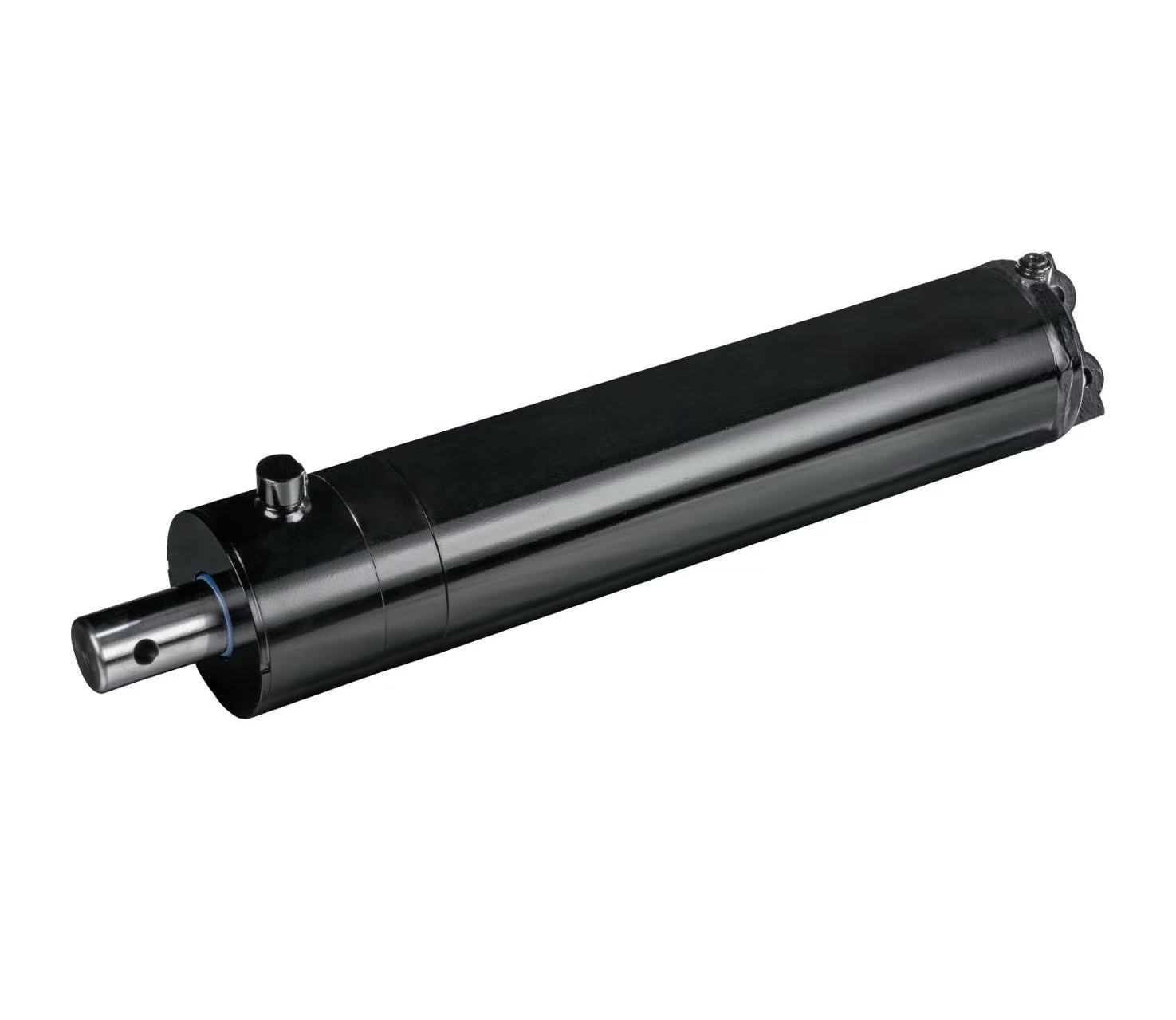
Locate the bleed screw, usually a small plug or screw at the top end of the cylinder. If your cylinder does not have a bleed screw, you may need to slightly loosen the hydraulic hose fitting at the highest point of the cylinder.
Apply light pressure: Have an assistant engage the "Up" switch very briefly until you see fluid/air escaping from the loosened fitting.
Watch the bubbles: Initially, you will see a milky, foamy mixture of oil and air.
Close the valve: As soon as a steady, solid stream of clear hydraulic fluid appears, tighten the bleed screw or fitting immediately.
Clean up any spilled oil to prevent environmental contamination and to make it easier to spot future leaks.
Step 5: Final Verification
After bleeding the system, perform a final load test. Raise a standard load and listen for any knocking or whining sounds from the pump. If the bed stays firm and lowers smoothly, you have successfully removed the air.
Prevention
To keep your system air-free:
Inspect Suction Lines: Ensure the hose between the reservoir and the pump is tight. Even a tiny pinhole can allow the pump to vacuum air into the system without showing a visible oil leak.
Quality Seals Matter: Air often enters through worn rod seals during the retraction stroke. HUTCHIN HYDRAULIC uses premium, multi-lip sealing systems that provide an airtight barrier, ensuring that your system remains pressurized and pure.
Regular Fluid Changes: Over time, hydraulic fluid loses its anti-foaming additives. Changing your oil every 1,000 to 2,000 hours of operation is a small price to pay for system health.
Bleeding the air from your dump trailer is a straightforward task that can save you from expensive pump repairs and dangerous operational failures. By maintaining a clean, air-free system and using high-quality dump trailer lift cylinder from HUTCHIN HYDRAULIC, you ensure that your equipment is always ready for the heavy lifting.
If your hydraulic cylinder is consistently failing or showing signs of internal wear despite proper bleeding, it may be time for an upgrade. Explore our full range of heavy-duty hydraulic solutions designed for the most demanding environments.