Modern mobile equipment often faces a common engineering challenge: achieving powerful hydraulic performance while maintaining limited installation space. From heavy-duty vehicles to specialized machinery, equipment designers need hydraulic components that provide high force output without increasing overall dimensions. An inverted telescopic cylinder offers an effective solution by combining compact structure, extended stroke capability, and reliable hydraulic performance.
Unlike conventional cylinder designs, inverted configurations use a different mounting approach to optimize available space and improve equipment flexibility. For manufacturers and engineers developing compact machines, selecting the right hydraulic cylinder design can significantly improve operational efficiency and equipment performance.
What Is an Inverted Telescopic Cylinder and How Does It Work?
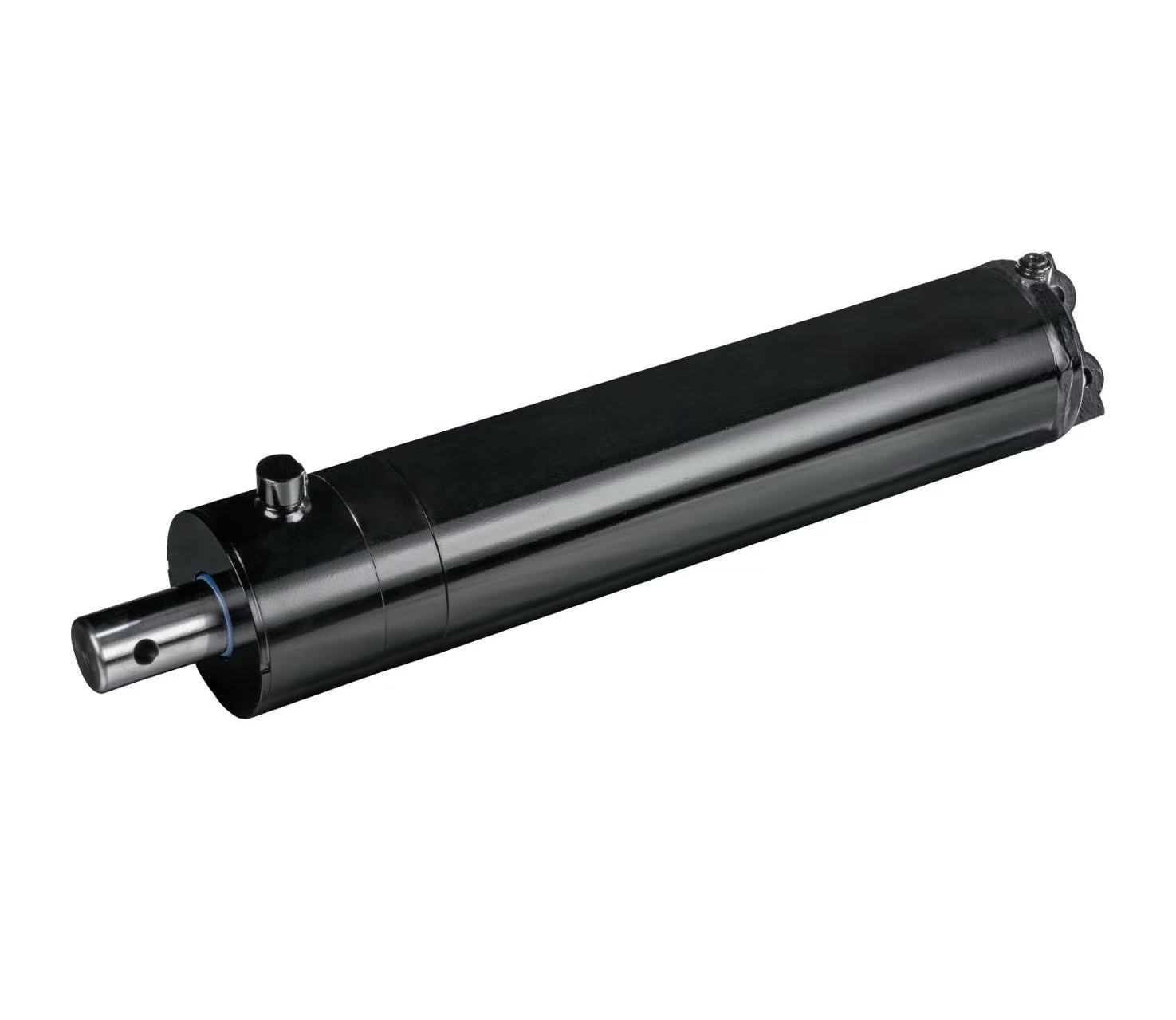
An inverted telescopic cylinder is a hydraulic cylinder designed with an inverted mounting structure that changes the traditional arrangement of cylinder components. This design allows engineers to achieve longer extension distances while maintaining a compact installation footprint.
The working principle is based on multiple telescopic stages that extend sequentially through hydraulic pressure. As hydraulic fluid enters the cylinder, each stage extends to provide the required movement and force. When retracted, the cylinder returns to a shorter overall length, making it suitable for applications where installation space is limited.
An inverted cylinder is often selected for mobile equipment and heavy-duty systems where traditional hydraulic cylinders may not provide enough stroke or installation flexibility. Its unique structure helps balance space efficiency and lifting performance.
Advantages of Inverted Telescopic Cylinder Design
The inverted telescopic design provides several advantages for equipment manufacturers that require compact yet powerful hydraulic solutions.
Compact Installation Design
Inverted telescopic cylinders require less installation space compared with many traditional cylinder arrangements. This allows machine designers to develop smaller and more flexible equipment without sacrificing hydraulic capability.
High Force Output for Heavy-Duty Applications
Despite their compact structure, these cylinders can deliver strong hydraulic force. They are suitable for equipment that requires reliable lifting, positioning, and movement control under heavy loads.
Longer Stroke Capability
The telescopic stage structure enables longer extension distances compared with standard cylinders of similar retracted dimensions. This makes them ideal for applications requiring extended reach within restricted spaces.
These advantages make inverted telescopic cylinders a practical choice for modern mobile machinery and specialized hydraulic systems.
Multi-Stage Hydraulic Cylinders vs Traditional Hydraulic Cylinders
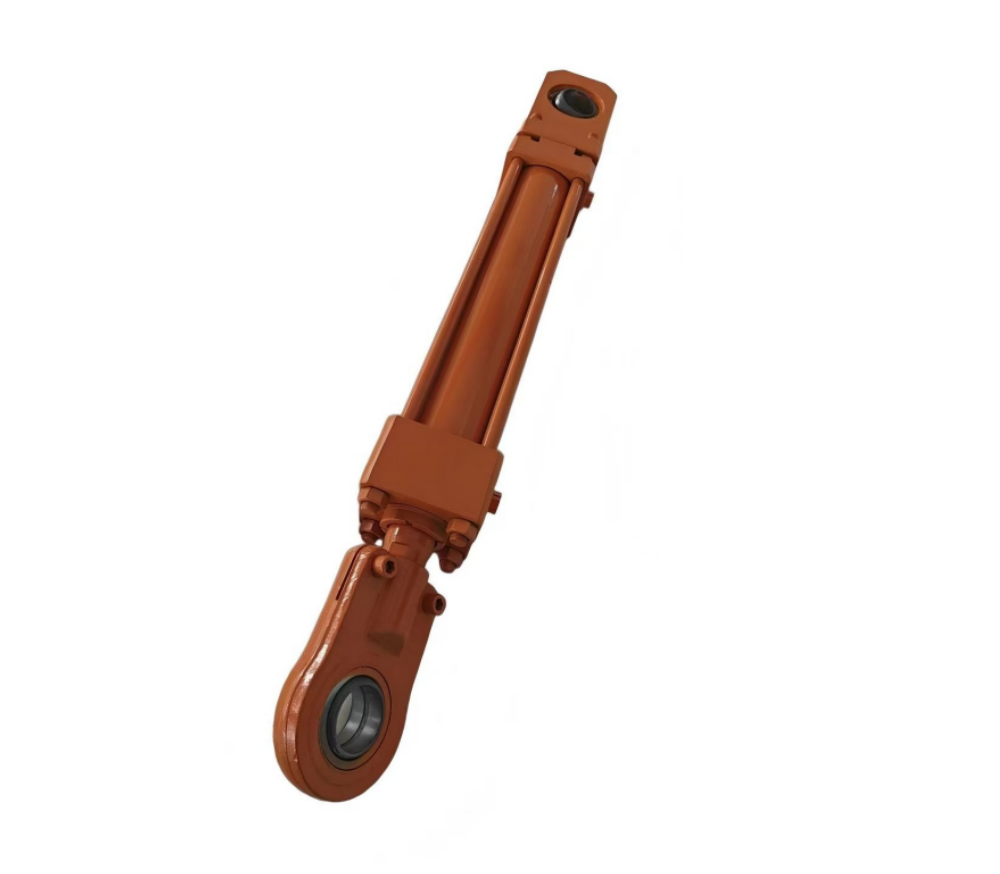
Different equipment designs require different hydraulic solutions. While traditional hydraulic cylinders provide reliable performance for many applications, multi-stage designs offer additional flexibility when longer strokes and compact installation are required.
Multi stage hydraulic cylinders use multiple extending sections to achieve greater movement distance while maintaining a shorter retracted length. Traditional hydraulic cylinders generally have a simpler structure but may require more installation space to achieve similar stroke requirements.
| Feature | Multi-stage | Standard |
|---|
| Stroke | Longer | Shorter |
| Space requirement | Lower | Higher |
| Application | Mobile equipment | General machinery |
For compact vehicles, lifting systems, and specialized equipment, multi-stage designs provide more options for optimizing machine layout and performance.
Applications of Telescopic Cylinders in Dump Trucks and Heavy Equipment
Telescopic cylinders are widely used in heavy-duty equipment where long extension and strong lifting force are required. Dump trucks are one of the most common applications, where hydraulic cylinders provide the force needed to raise and lower the cargo bed.
A telescopic hydraulic cylinder for dump truck applications allows vehicles to achieve efficient unloading operations while maintaining a compact hydraulic system design. These cylinders are also used in trailers, construction equipment, and other mobile machinery that requires reliable lifting performance.
In construction and transportation industries, telescopic designs help equipment handle heavier loads while improving operational flexibility. Their ability to provide extended stroke within limited space makes them suitable for demanding working environments.
Technical Factors When Selecting an Inverted Cylinder
Choosing the correct inverted cylinder requires careful consideration of equipment requirements and operating conditions. Engineers should evaluate several important factors before selecting a hydraulic solution.
Working pressure determines the force output and overall cylinder performance. The number of telescopic stages affects extension distance and structural complexity. Stroke length should match the required movement range, while installation design must ensure proper alignment and integration with the machine structure.
Other considerations include operating environment, maintenance requirements, material selection, and expected service cycles. A suitable cylinder design helps prevent performance issues and improves long-term reliability.
Hutchin Hydraulic Custom Inverted Telescopic Cylinder Solutions
Hutchin Hydraulic provides hydraulic cylinder solutions designed for demanding industrial and mobile equipment applications. With extensive engineering experience and advanced manufacturing capabilities, the company develops reliable cylinders that meet different performance requirements.
Hutchin Hydraulic offers various hydraulic products through its Products range, including telescopic and customized cylinder solutions. For equipment requiring specific dimensions, mounting structures, or performance characteristics, customers can explore the company’s Customization services.
Through quality control processes and application-focused engineering support, Hutchin Hydraulic helps customers select suitable hydraulic solutions for specialized machinery. Equipment manufacturers can contact Hutchin Hydraulic for professional assistance when developing compact high-force hydraulic systems.
An inverted telescopic cylinder provides an effective way to achieve powerful hydraulic performance while maintaining compact equipment design. With advantages such as longer stroke, flexible installation, and strong force output, this cylinder type continues to support innovation in modern mobile and heavy-duty machinery.
Frequently Asked Questions About Inverted Telescopic Cylinders
What is an inverted telescopic cylinder?
An inverted telescopic cylinder is a hydraulic cylinder that uses an inverted mounting design combined with multiple telescopic stages to achieve compact installation and extended stroke capability.
What industries use inverted cylinders?
Inverted cylinders are commonly used in mobile equipment, construction machinery, transportation equipment, lifting systems, and other applications requiring compact hydraulic solutions.
How many stages can telescopic cylinders have?
The number of stages depends on application requirements, available installation space, required stroke length, and load conditions. Multi-stage designs can be customized for different equipment needs.
Are inverted cylinders stronger than standard cylinders?
Inverted cylinders are not always stronger than standard cylinders, but their design provides advantages in space efficiency, stroke length, and application flexibility for specific equipment requirements.
Can the stroke length be customized?
Yes. Telescopic cylinder stroke length can be customized according to equipment design, operating requirements, and installation limitations.
How do I choose a telescopic cylinder?
Selection should consider working pressure, required stroke, number of stages, mounting method, load capacity, and operating environment to ensure reliable performance.