In the world of fluid power, hydraulic cylinders are the essential components that convert fluid pressure into linear motion. While they all serve the same fundamental purpose, their construction methods significantly impact their performance, durability, and maintenance. For engineers, fleet managers, and equipment operators, the debate often boils down to two primary designs: Tie Rod Cylinders and Welded Cylinders. Choosing the wrong type can lead to premature failure, excessive downtime, and increased operational costs.
The choice between tie rod and welded cylinders isn't about which is better, but rather which is better for your application. By evaluating your pressure requirements, available space, and maintenance capabilities, you can select the cylinder that provides the best return on investment.
Tie Rod Hydraulic Cylinders
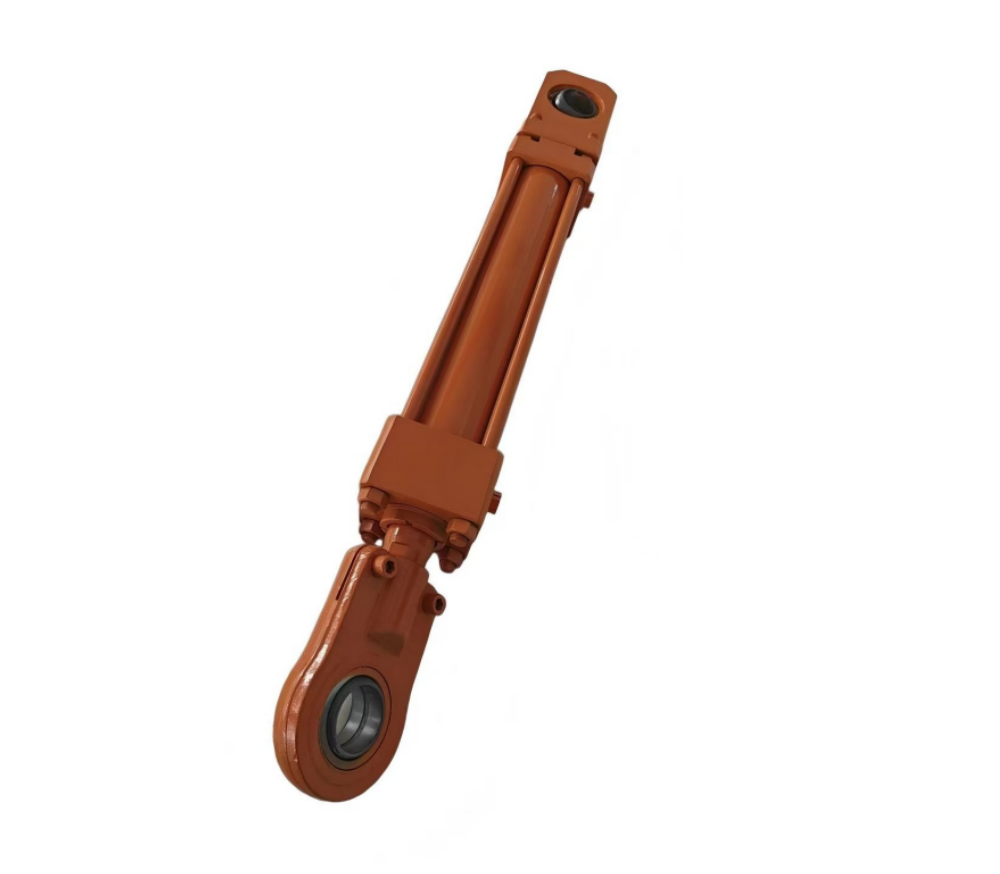
Tie rod hydraulic cylinders are most commonly found in industrial factory settings and machine tool applications. Their name comes from the four or more high-strength, threaded steel rods that run along the outside of the cylinder barrel. these rods hold the two end caps (the head and the cap) securely against the barrel, creating a sandwich construction.
Key Characteristics and Benefits
The most significant advantage of tie rod cylinders is their serviceability. Because they are held together by nuts and bolts, they can be completely disassembled using standard hand tools. This makes them ideal for environments where on-site seal replacement or internal inspection is required to minimize production stoppages.
Furthermore, tie rod cylinders are built according to NFPA (National Fluid Power Association) standards. This standardization ensures that cylinders from different manufacturers are dimensionally interchangeable. At Hutchin Hydraulic, our tie rod hydraulic cylinders are engineered to these rigorous standards, ensuring that they provide a reliable, cost-effective, and easily replaceable solution for your assembly lines or plastic injection molding machines.
However, tie rod cylinders do have limitations. The external rods make the cylinder bulkier, and at extremely high pressures, the rods can stretch, leading to seal leakage. They are generally rated for medium-duty applications, typically ranging from 2,500 to 3,000 PSI.
Welded Hydraulic Cylinders
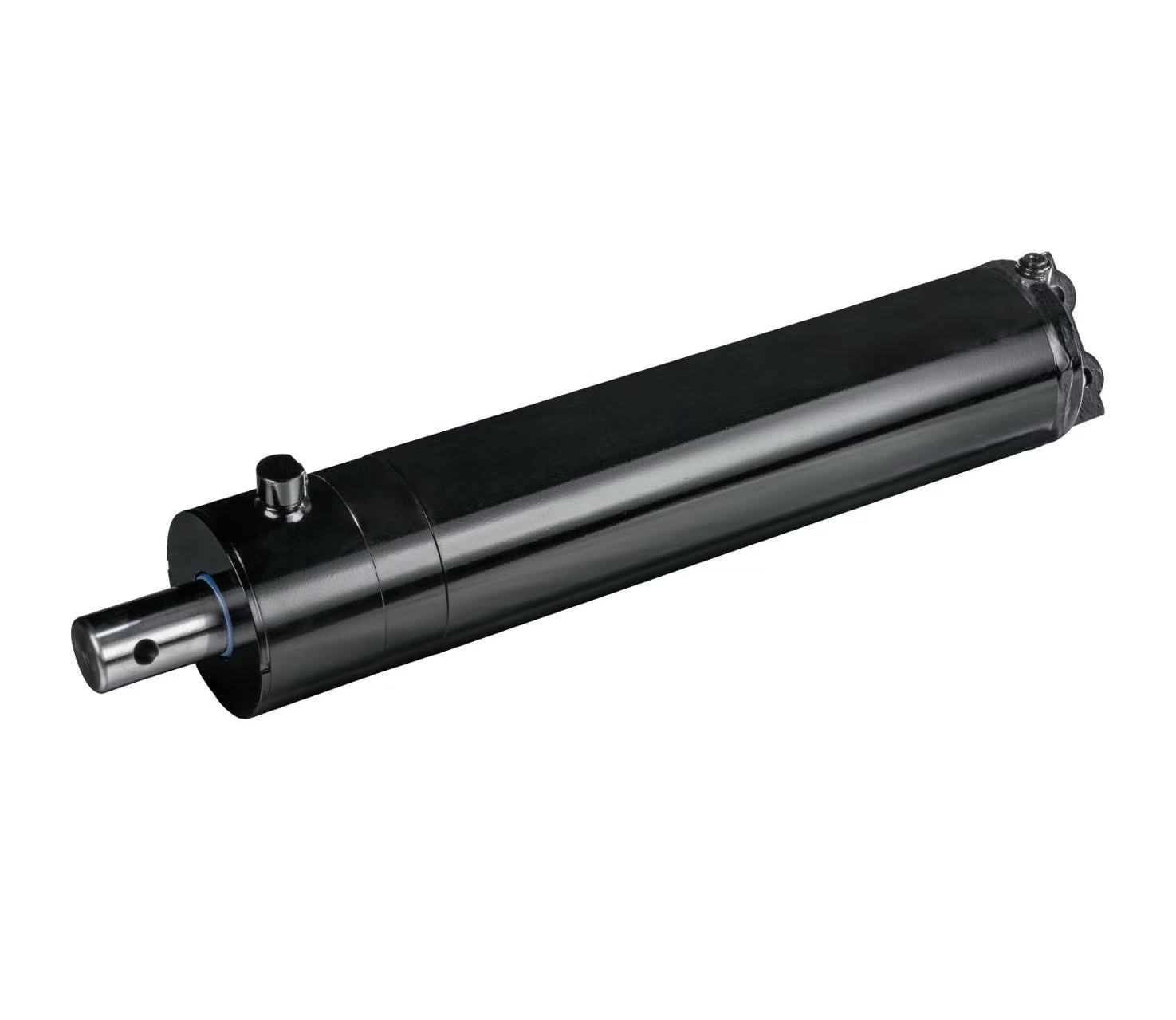
Welded hydraulic cylinders, also known as mill-type cylinders, are designed for heavy-duty, high-pressure applications and harsh outdoor environments. Unlike the tie rod design, the end caps of a welded cylinder are welded directly to the barrel. The gland, the part where the rod exits, is usually threaded into or bolted onto the cylinder head.
Key Characteristics and Benefits
The primary advantage of a welded cylinder is its compact design and structural integrity. Without external rods, welded cylinders have a much smaller footprint, making them the perfect fit for mobile equipment where space is at a premium.
Welded cylinders are also significantly more robust. The absence of tie rods eliminates the risk of rod stretch under high pressure, allowing these units to operate safely at 5,000 PSI or higher. They are also less prone to damage from external debris, as there are no rods to collect mud, ice, or dust. This makes welded hydraulic cylinders from Hutchin Hydraulic the go-to choice for construction machinery, mining equipment, and waste management vehicles.
While they are more durable, welded cylinders are generally more difficult to service. Disassembly often requires specialized tools or the removal of threaded glands, which can be challenging in a field environment compared to the simple nut-and-bolt assembly of a tie rod unit.
Which Should You Choose?
1. Space and Footprint
If your application involves tight spaces, such as the boom of an excavator or the lift mechanism of a skid steer, welded cylinders are superior. Their sleek, rod-less exterior allows for a more streamlined integration into complex machinery. Tie rod cylinders require more radial space to accommodate the external rods.
2. Pressure and Load Capacity
For high-pressure hydraulic systems (3,000+ PSI), welded cylinders are the clear winner. Their welded construction provides superior resistance to internal pressure spikes and mechanical fatigue. For standard industrial presses and medium-duty automation, tie rod cylinders offer more than enough strength at a lower price point.
3. Maintenance and Repair
If your priority is DIY maintenance on the factory floor, the tie rod cylinder is unmatched. Its ease of disassembly allows for quick seal kits swaps. Welded cylinders, while increasingly designed for serviceability, often require more technical expertise and specialized equipment to repair.
4. Environmental Resistance
In the mud, rain, and grit of a construction site, welded cylinders thrive. Their smooth exterior is easy to clean and lacks the nooks and crannies where corrosive materials can settle. Tie rod cylinders are better suited for the clean, controlled environments of indoor manufacturing plants.
| Feature | Tie Rod Hydraulic Cylinders | Welded Hydraulic Cylinders |
| Construction | Held together by external high-strength threaded rods. | End caps are welded directly to the cylinder barrel. |
| Typical Pressure | Medium-duty (Up to 2,500 - 3,000 PSI). | Heavy-duty (Up to 5,000 PSI and above). |
| Primary Environment | Industrial plants, indoor factories, clean environments. | Mobile equipment, construction, mining, harsh outdoors. |
| Serviceability | High. Easily disassembled with standard tools for seal replacement. | Moderate. Requires specialized tools or removal of threaded glands. |
| Space Efficiency | Lower. External rods and square caps create a larger footprint. | Higher. Compact, streamlined design fits into tight machinery spaces. |
| Standardization | High (NFPA/ISO standards for easy interchangeability). | Lower (Often custom-built for specific machinery). |
| Durability | Prone to rod stretch under extreme pressure. | Highly resistant to fatigue, pressure spikes, and debris. |
The Hutchin Hydraulic Advantage
Whether your project demands the standardized versatility of a tie rod design or the rugged power of a welded unit, the quality of the manufacturer is the ultimate factor in performance. Hutchin Hydraulic specializes in both technologies, utilizing precision-honed tubes, high-tensile chrome-plated rods, and premium sealing systems to ensure long-term reliability.
We understand that every application is unique. For factory owners looking for interchangeable, easy-to-maintain parts, our tie rod cylinders provide the perfect balance of cost and performance. For OEMs building the next generation of heavy-duty construction or agricultural equipment, our welded hydraulic cylinder for sale offers the compact strength needed to tackle the world’s toughest jobs.
Still unsure which direction to take? The team at Hutchin Hydraulic is ready to assist. Visit our website to explore our full catalog or contact our engineers to discuss a custom solution tailored to your specific hydraulic needs. Protect your uptime by choosing a partner that delivers excellence in every weld and every tie rod.