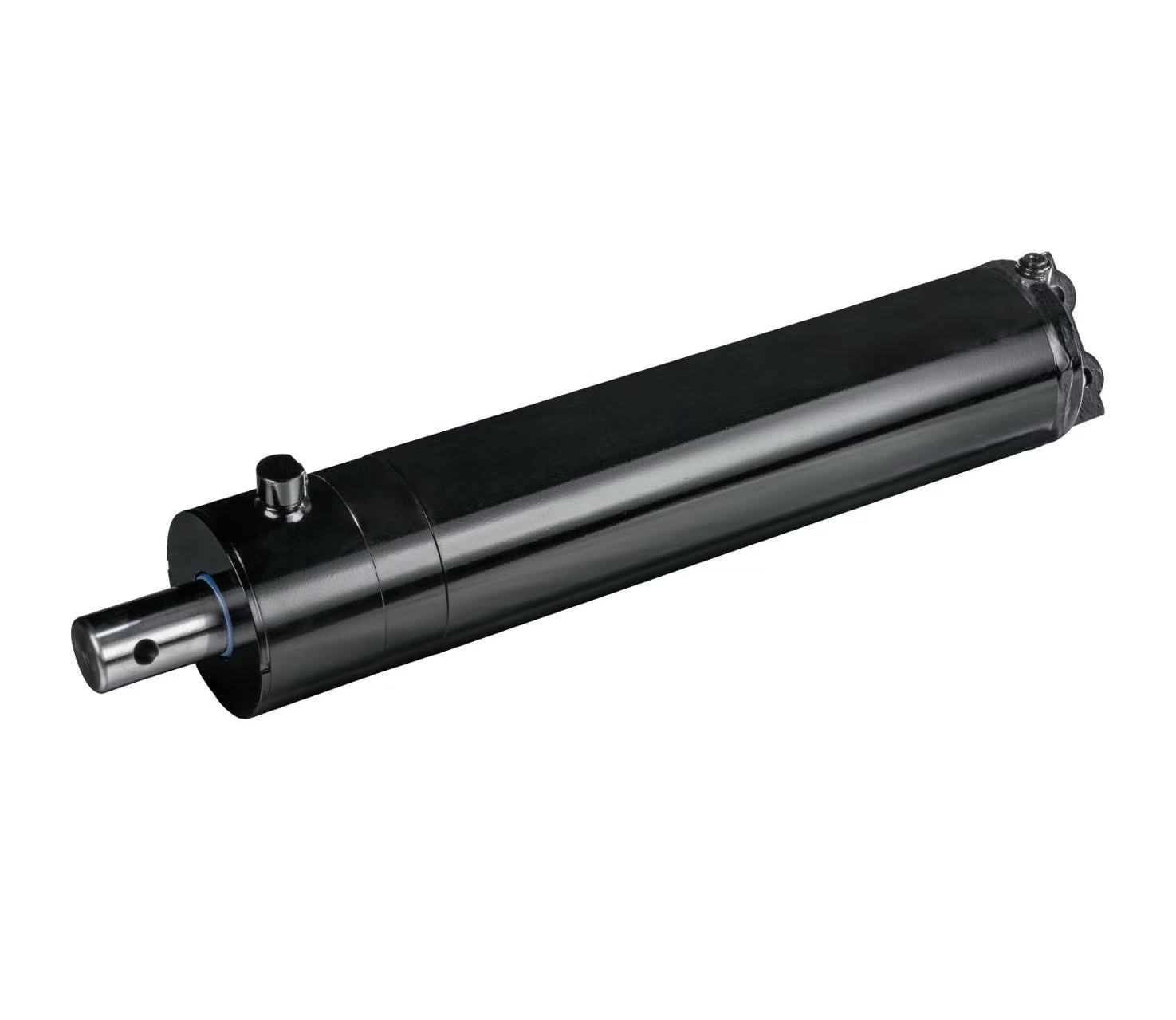
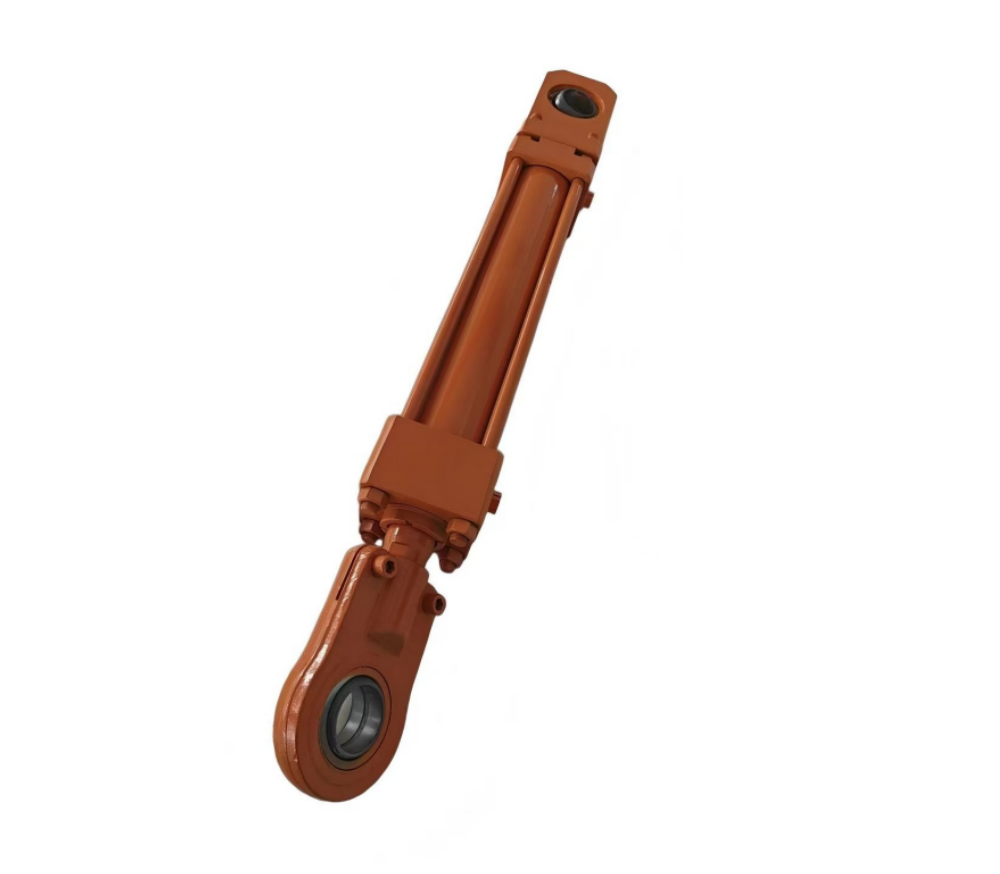
In the complex ecosystem of fluid power, the tie rod hydraulic cylinder stands as a testament to efficient engineering and industrial standardization. While hydraulic technology has evolved to include various specialized designs, the tie rod configuration remains the gold standard for factory automation, machine tools, and medium-duty industrial applications. Its popularity is rooted in a design that prioritizes serviceability, cost-effectiveness, and reliability.
Mechanics of Tie Rod Cylinders
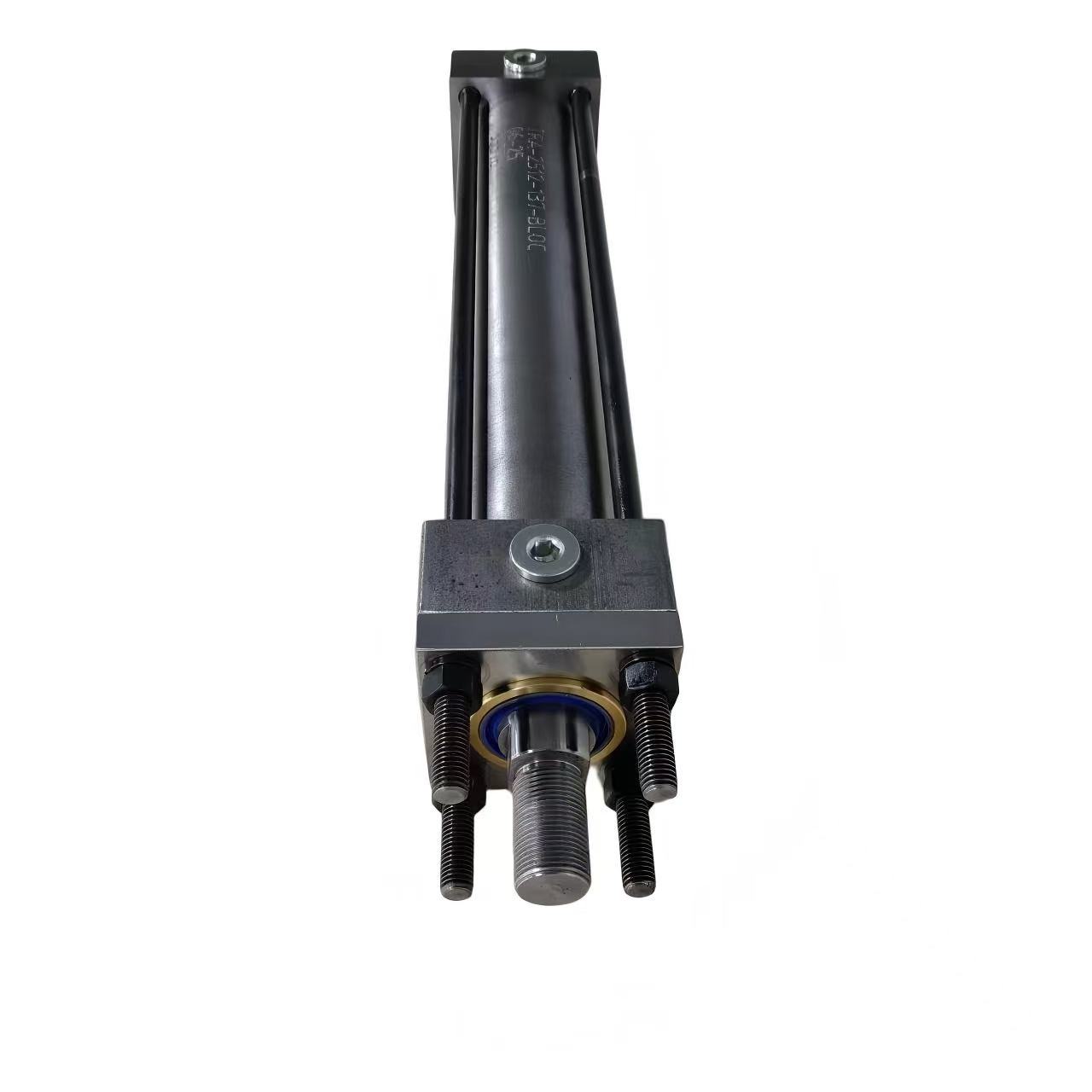
At its core, a tie rod cylinder is defined by its external construction. Unlike welded cylinders, where the end caps are permanently fused to the barrel, tie rod cylinders utilize high-strength, threaded steel rods to hold the assembly together. These rods, typically four or more depending on the cylinder’s bore size and pressure rating, run the length of the cylinder barrel, securing the two end caps against the barrel.
The working principle is elegantly simple. When hydraulic fluid enters the cylinder, the internal pressure pushes against the piston and the end caps. The tie rods act as tension members, absorbing these massive internal forces and preventing the cylinder assembly from separating. This sandwich construction ensures a secure, leak-proof seal while allowing the entire unit to be disassembled with standard tools.
Key Advantages
The enduring success of the tie rod cylinder in the global market is driven by several distinct advantages, many of which are highlighted by industry experts and leading manufacturers like Hutchin Hydraulic.
1. Unmatched Ease of Maintenance
Perhaps the most significant benefit of the tie rod design is its serviceability. In a high-speed manufacturing environment, downtime is the enemy of profitability. If a seal fails or a rod becomes scored, a tie rod cylinder can be repaired on-site. By simply removing the nuts from the tie rods, maintenance teams can access the internal components, replace seals, and reassemble the unit without the need for specialized welding equipment or heavy machinery. Hutchin Hydraulic's tie rod cylinders are specifically engineered with this maintenance-friendly philosophy in mind, ensuring that internal components are easily accessible for routine service.
2. Standardization and Interchangeability
The tie rod cylinder market is governed largely by NFPA (National Fluid Power Association) and ISO standards. This means that the mounting dimensions, bore sizes, and rod diameters are standardized across different manufacturers. For plant managers, this interchangeability is invaluable. If a cylinder fails, a replacement from a high-quality supplier like Hutchin Hydraulic can be swapped in with zero modifications to the existing machinery. This universality reduces the need for extensive spare parts inventories and simplifies the design process for OEMs.
3. High Cost-Efficiency
From a manufacturing standpoint, tie rod cylinders are generally more economical to produce for medium-duty applications (typically up to 3,000 PSI) compared to welded designs. The absence of complex welding processes reduces production time and costs, savings that are often passed on to the end-user. For indoor industrial environments where extreme environmental ruggedness is less of a factor than precision and repeatability, the tie rod cylinder offers the best return on investment.
4. Space-Saving Compactness
In modern factory layouts, space is at a premium. Tie rod cylinders are known for their compact rectangular or square end caps, which allow them to be mounted in tight spaces where round welded cylinders might not fit. Their footprint is optimized for the clean, organized confines of a production line or a plastic injection molding machine.
Tie Rod Hydraulic Cylinders from Hutchin Hydraulic
When selecting a tie rod cylinder, the quality of materials is the deciding factor between a component that lasts for months and one that lasts for decades. At Hutchin Hydraulic, the manufacturing process for tie rod hydraulic cylinders involves rigorous quality control and premium material selection.
High-Tensile Tie Rods: Hutchin utilizes rods made from high-strength steel to ensure that the cylinder maintains its structural integrity even under rapid cycling and pressure spikes.
Precision-Honed Barrels: The internal surface of the barrel is honed to a mirror finish to minimize friction and extend the life of the piston seals.
Advanced Sealing Technology: Recognizing that the seal is the most frequent point of failure in any hydraulic system, Hutchin integrates premium sealing kits that offer superior wear resistance and thermal stability.
Common Applications
Because of their versatility, tie rod cylinders are found in a staggering array of industries:
Factory Automation: Powering conveyor belts, pick-and-place robots, and automated assembly lines.
Plastic & Rubber Processing: Essential for the opening and closing of molds in injection molding machines.
Food and Beverage: Utilized in packaging and processing equipment where precision and cleanliness are required.
Machine Tools: Providing the force behind metal presses, shears, and CNC machines.
The tie rod cylinder remains a cornerstone of modern fluid power for a reason. Its combination of standardized design, ease of repair, and cost-effectiveness makes it the ideal choice for industrial operators worldwide. However, the performance of the system is only as good as its weakest link. By choosing a reputable hydraulic cylinder manufacturer like Hutchin Hydraulic, you ensure that your machinery is equipped with cylinders that meet the highest international standards for durability and precision.
Whether you are designing a new automation system or seeking a reliable replacement for an existing production line, the tie rod cylinders from Hutchin Hydraulic provide the strength and serviceability required to keep your operations moving smoothly.