In the sophisticated world of fluid power, the ability to control force and movement is the cornerstone of modern engineering. While hydraulic cylinders come in various designs, the double-acting cylinder is arguably the most prevalent and essential component in both mobile and industrial sectors. Unlike its single-acting counterpart, which utilizes fluid pressure for movement in one direction and relies on gravity or a spring for the return stroke, the double-acting cylinder provides controlled power in both directions. This bidirectional capability makes it the jack of all trades for machinery requiring precision, repeatability, and high force.
The Mechanics of Bidirectional Power
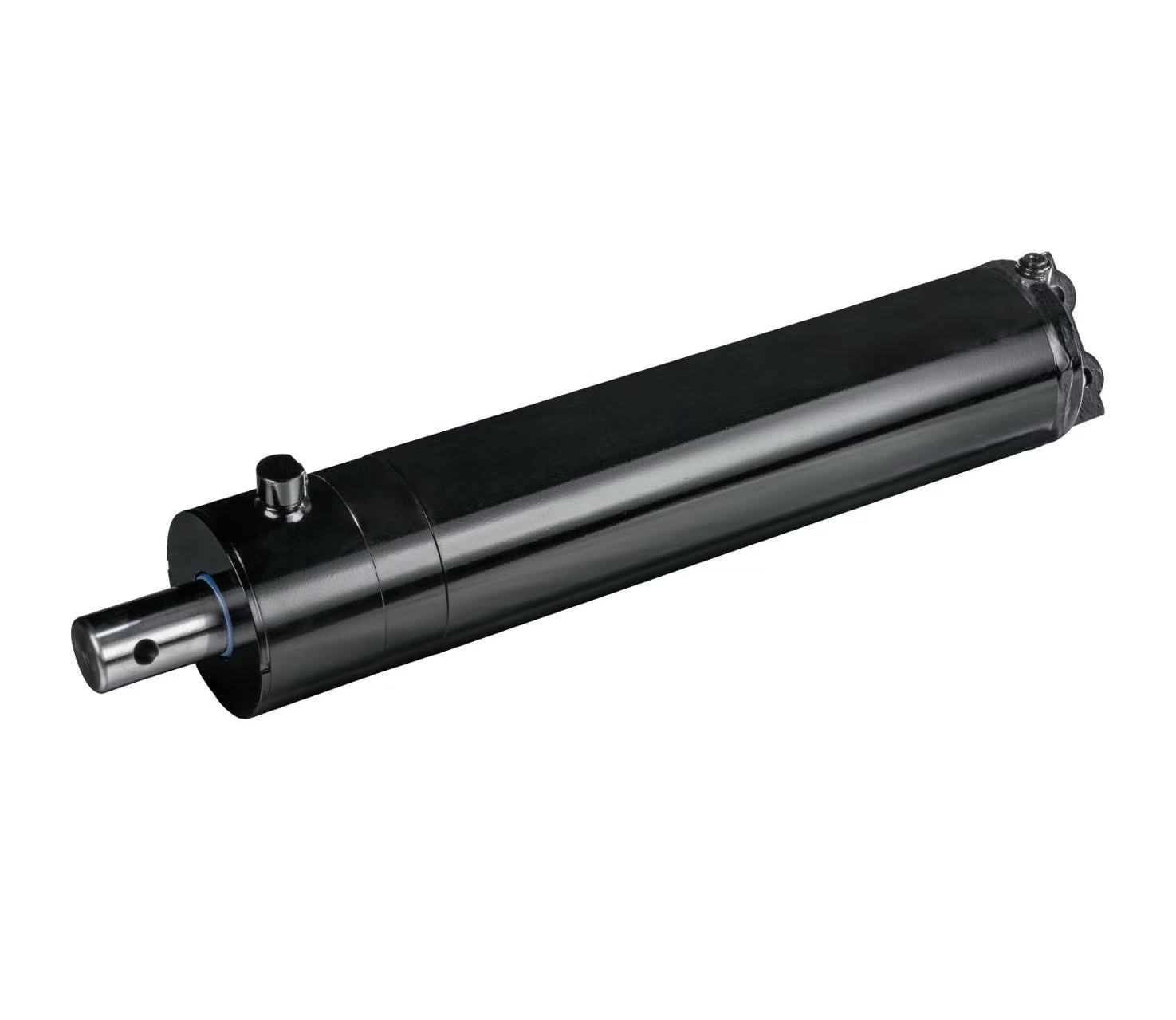
A double-acting hydraulic cylinder features two ports, one at the cap end and one at the rod end. The system functions by alternating the flow of hydraulic fluid between these two ports. When oil is pumped into the cap end, the piston extends; when oil is pumped into the rod end, the piston retracts.
This fundamental difference creates several operational advantages:
Precision and Control: Because fluid pressure governs both the extension and retraction, the speed and force can be precisely modulated throughout the entire stroke.
Increased Productivity: Double-acting cylinders do not have to wait for gravity to pull a load back, allowing for faster cycle times in manufacturing and construction.
Versatility: They can be mounted in any orientation, vertically, horizontally, or at an angle, because they do not rely on external forces to return to their starting position.
Key Applications Across Modern Industry
The applications for double-acting cylinders are virtually limitless, spanning from the depths of mining pits to the assembly lines of high-tech factories. These cylinders are the preferred choice whenever a machine needs to pull just as hard as it pushes.
1. Heavy Construction and Earthmoving
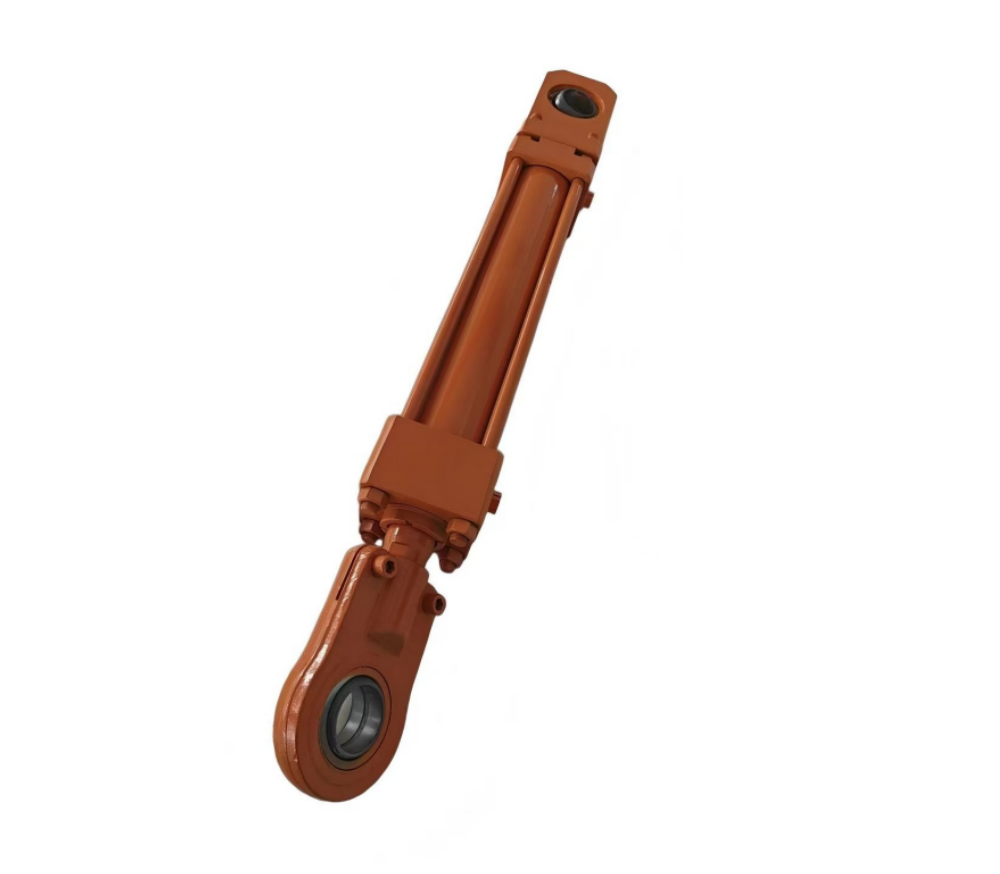
The most visible application of double-acting cylinders is in construction machinery. Consider the arm of an excavator. To dig into compacted soil, the cylinder must push the bucket down with immense force. However, to pull that heavy load of earth out of the trench and clear the site, the cylinder must also provide high-tension force during retraction.
Bulldozers use double-acting cylinders to lift and lower blades, while graders use them to tilt blades at precise angles to create level road surfaces. In these rugged environments, the quality of the cylinder is paramount. HUTCHIN provides high-performance double-acting solutions specifically engineered to survive the shock loads and abrasive dust common on construction sites.
2. Industrial Manufacturing and Metal Forging
In factory environments, double-acting cylinders power hydraulic presses, injection molding machines, and metal stamping equipment. In a stamping press, the cylinder extends to form a metal sheet into a specific shape. Once the part is formed, the cylinder must retract quickly and forcefully to release the die and prepare for the next cycle.
Without the retraction force of a double-acting cylinder, the heavy dies used in industrial manufacturing would often get stuck, or the return stroke would be too slow to meet modern production quotas. HUTCHIN supports these industries by offering custom made hydraulic cylinders with precision-honed bores, ensuring the smooth, repetitive motion required for high-volume manufacturing.
3. Steering Systems and Material Handling
Precision steering in large vehicles, such as tractors, harvesters, and ships, relies almost exclusively on double-acting cylinders. In a steering rack, the cylinder must be able to push the wheels to the left and pull them back to the right with equal force and speed to ensure safety and maneuverability.
Similarly, in material handling, forklifts use double-acting cylinders to tilt the mast. When a forklift carries a heavy pallet, it must be able to tilt the mast backward to stabilize the load and forward to place it. Relying on gravity for either of these movements would be inherently dangerous, making the controlled retraction of a double-acting cylinder a critical safety feature.
4. Aerospace and Specialized Engineering
In the aerospace sector, double-acting cylinders are used in landing gear systems and flight control surfaces. When a pilot retracts the landing gear, the system must overcome significant wind resistance (drag), requiring a powerful, pressurized pull stroke. The reliability of these components is a matter of life and death, which is why high-end manufacturers utilize premium sealing systems and induction-hardened rods to prevent failure in extreme conditions.
The HUTCHIN Advantage
Choosing the right double-acting cylinder involves more than just selecting a bore and stroke size. It requires an understanding of the environment, duty cycle, and pressure spikes the component will face. HUTCHIN has established itself as a premier hydraulic cylinders company for global OEMs by focusing on the Total Lifecycle of the cylinder.
Their double-acting designs feature:
Superior Sealing Tech: Utilizing multi-lip seals that prevent leakage during both extension and retraction, maintaining system pressure and preventing environmental contamination.
Corrosion Resistance: Advanced surface treatments on piston rods that withstand the corrosive fluids and atmospheres found in marine and chemical industries.
Customization: The ability to add integrated valves, such as counterbalance valves, which provide an extra layer of safety by preventing the load from dropping if a hose bursts.
The double-acting cylinder is the workhorse of the modern mechanical age. By providing power and control in both directions, it enables the complexity of movement required for everything from building infrastructure to steering massive vessels. As industries move toward greater automation and higher efficiency, the demand for precision-engineered components will only grow.
By partnering with experts like HUTCHIN, businesses can ensure their machinery is equipped with double-acting cylinders that offer the perfect balance of strength, reliability, and precision. Whether you are pushing, pulling, lifting, or steering, the right double-acting cylinder is the key to unlocking your machine's full potential.