Hydraulic cylinders are integral to modern engineering and machinery, serving as critical components in industries ranging from construction to manufacturing. At their core, these devices transform fluid pressure into linear force and motion, making them indispensable for tasks that require lifting, pulling, pushing, or tilting. The hydraulic cylinder components ensure precision and power, contributing to the machinery's overall efficiency. This article will walk you through the foundational concepts of hydraulic cylinders, explore how they work, and explain their applications and safety considerations.
What is a Hydraulic Cylinder?
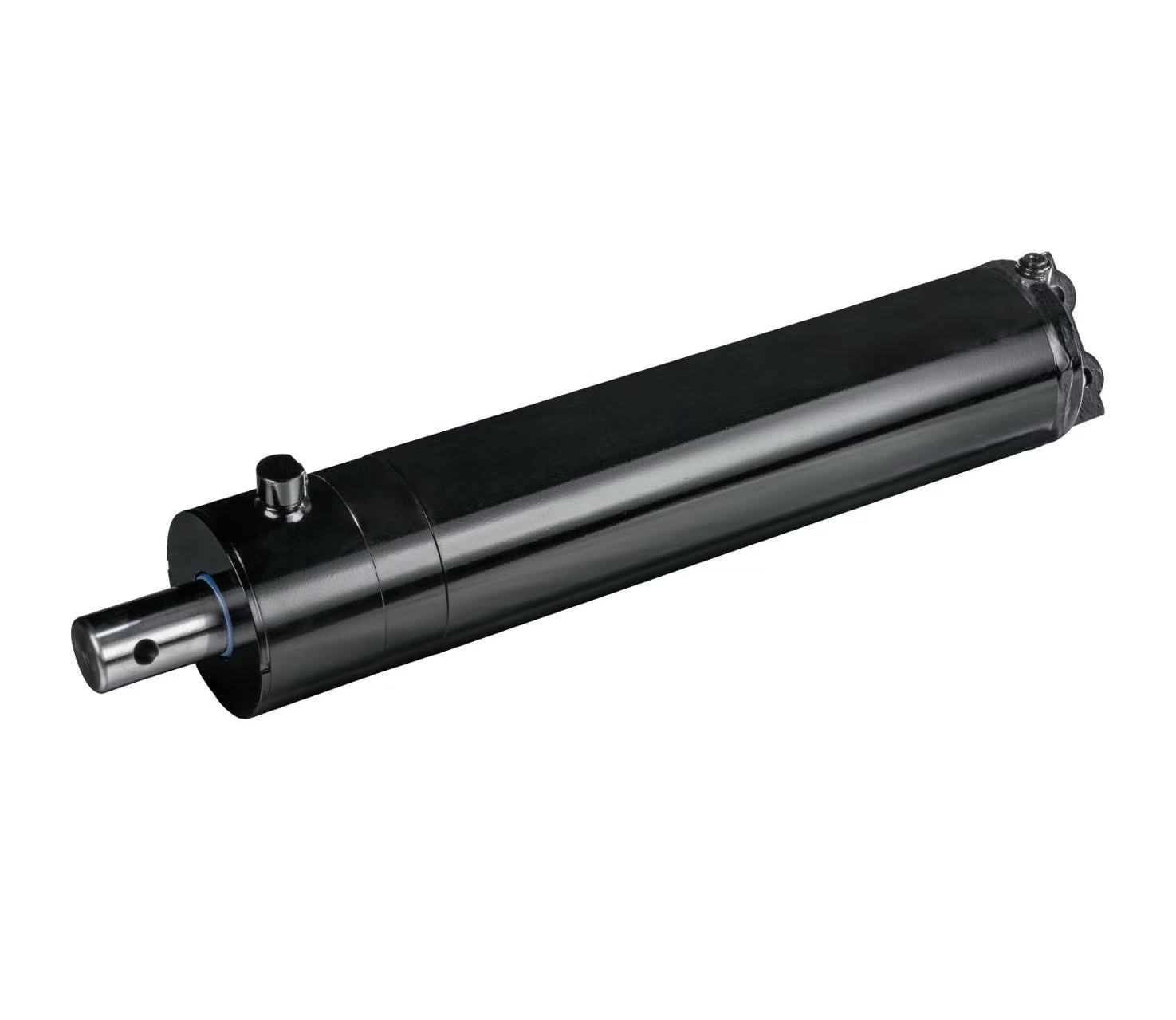
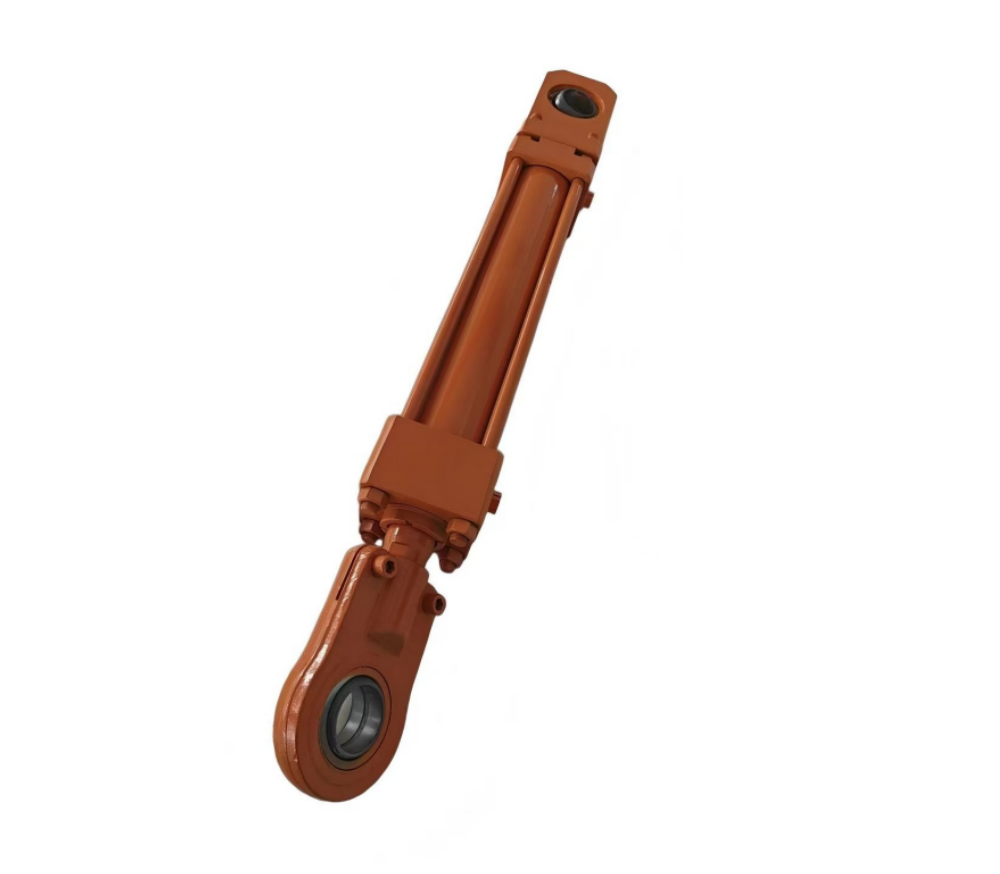
At its essence, a hydraulic cylinder is a mechanical actuator that produces linear motion and force through hydraulic fluid power. It comprises a cylindrical barrel, a piston, a rod, and seals. Understanding the various hydraulic cylinder types and designs, such as telescoping hydraulic cylinders or tie rod hydraulic cylinders, is crucial for selecting the right component for your application. Awareness of hydraulic cylinder diagram can provide a visual representation of their internal workings, showcasing the interaction between different components.
| Type | Description | Common Use |
| Welded cylinders | Compact and robust design with superior sealing capabilities | Heavy equipment like excavators |
| Tie rod cylinders | Consist of external steel rods for added strength | Industrial machinery applications |
| Telescopic cylinders | Multi-stage cylinders for extended reach | Dump trucks and trailers |
Knowing whether you need a small hydraulic cylinder for precision tasks or big hydraulic cylinders for large-scale operations can significantly impact your project's success.
How Hydraulic Cylinders Generate Force
The operation of hydraulic cylinders is based on Pascal's principle, which states that pressure applied to a fluid in a closed system is transmitted equally throughout the fluid. This principle allows hydraulic cylinders to generate significant force with minimal effort. Inside the cylinder, hydraulic fluid pressure pushes the piston, causing the piston rod to extend and apply force in a linear direction. Telescopic hydraulic cylinders, like the 3 stage telescopic hydraulic cylinder for dump truck, utilize multiple piston stages to achieve greater extension and retraction capabilities.
Users exploring custom hydraulic cylinders can benefit from tailored designs that optimize force generation and movement, fitting specific operational needs. The ability to customize components and performance parameters opens possibilities for highly specialized applications and improved machinery output.
Key Components and Their Functions
The functionality of a hydraulic cylinder relies heavily on the precise operation of its components:
Barrel: Contains and guides the piston, providing a sealed environment for fluid pressure.
Piston: Acts as the driver for the rod, propelled by hydraulic fluid pressure.
Rod: Transfers the generated force to external mechanisms.
Seals: Prevent fluid leaks and contamination, ensuring efficient operation.
For an in-depth understanding, referring to a hydraulic cylinder diagram can elucidate how these parts interact. Customization options, such as specialized seals or rods, can enhance performance and extend life span. Businesses searching for hydraulic cylinders for sale should prioritize high-quality components that meet operational demands.
Common Applications in Machinery
Hydraulic cylinders are prevalent in various machinery, offering adaptable solutions for different engineering challenges. Dump truck cylinders, hydraulic cylinder for dump trailer, and hydraulic telescoping cylinders are especially notable for their heavy-duty performance in the transport and logistics sectors. Similarly, tie rod cylinders are common in manufacturing lines to drive machine parts.
Those exploring custom cylinders can identify niche uses like mining equipment or agricultural tools, where specific force and movement capabilities are critical. When searching for hydraulic cylinders for sale, consider the application's specific demands and the cylinder's durability.
Safety Considerations for Usage
Safety is paramount when operating hydraulic cylinders. Ensuring proper installation and maintenance is crucial to avoid malfunctions that could lead to accidents or equipment damage. Regular inspections and an understanding of safety protocols, including handling pressures and temperatures, play a significant role in minimizing risks.
Innovative solutions and custom designs, such as welded hydraulic cylinders, offer improved safety features through enhanced sealing and structural integrity. Employing professional training and utilizing hyd cylinders for sale from reputable manufacturers can further ensure safe and efficient machinery operation.
Understanding hydraulic cylinders, from basic principles to advanced applications, is essential for leveraging their potential in modern machinery. Whether you're seeking hydraulic cylinders for sale or exploring innovative custom hydraulic cylinders, the insights from their material selection, component design, and operational functions can guide informed decisions. By integrating these components with safety protocols and appropriate applications, professionals can maximize machinery performance and reliability.
For further reading, consider referencing reliable technical manuals and industry reports that offer in-depth analyses and exploration of hydraulic systems. Ensuring that you're making educated choices will not only enhance productivity but also reinforce safety and efficiency.
References:
https://www.hydraulicspneumatics.com/hydraulic-cylinders
https://engineering-experts.in/how-hydraulic-cylinders-work/