Hydraulic cylinders serve as critical components in various industrial and mobile sectors, transforming hydraulic energy into mechanical work. Their application ranges from heavy-duty machinery in construction to precision equipment in manufacturing. Understanding the different types of hydraulic cylinders and their specific applications can significantly enhance one's ability to make informed purchasing decisions, whether seeking hydraulic cylinders for sale or custom options. This article explores the major types of hydraulic cylinders, providing a detailed overview of their functionalities, advantages, and typical uses. By the end, you will have a clearer grasp of which factors to consider when choosing among these versatile engineering tools.
Overview of Single-Acting Cylinders
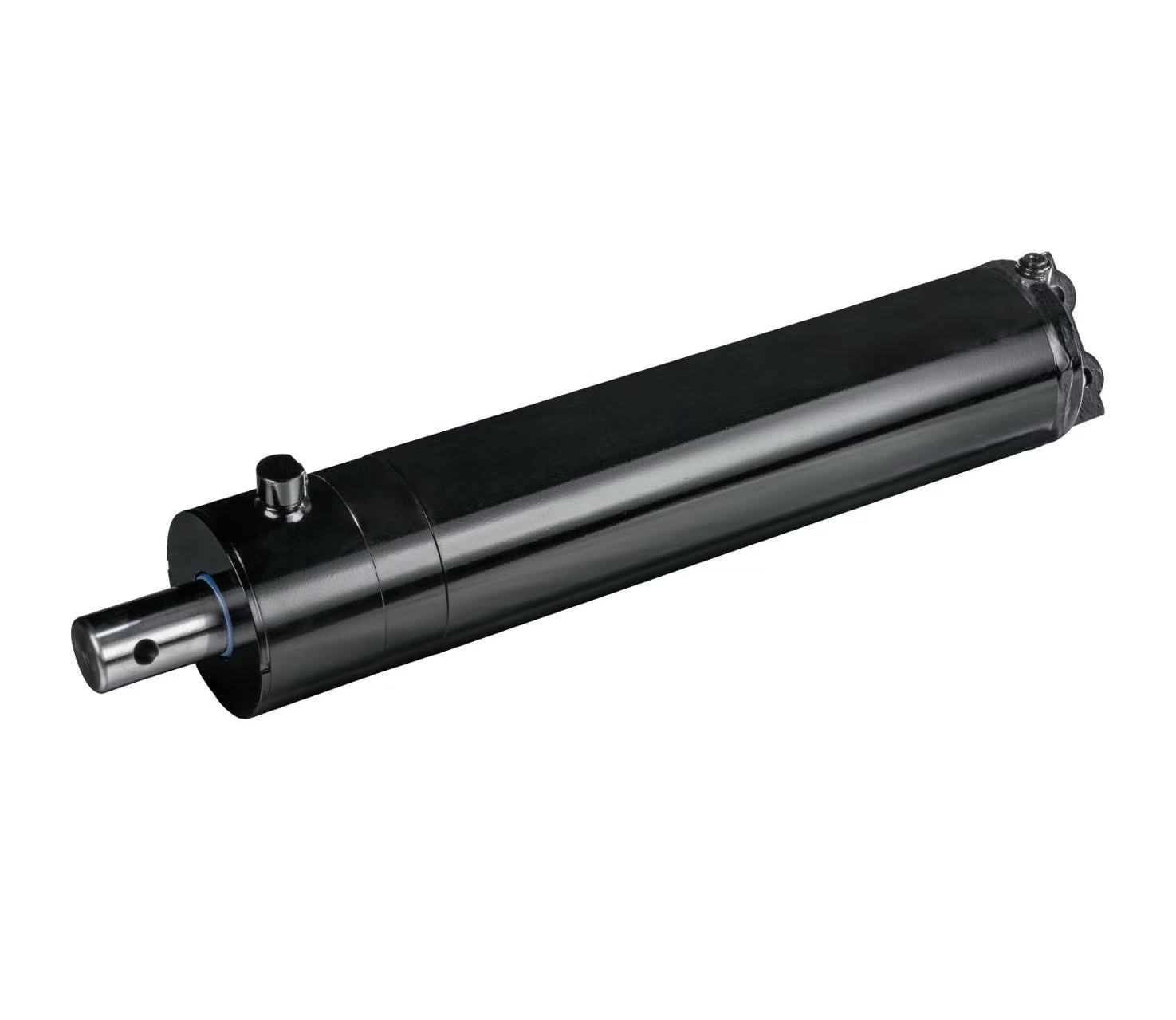
Single-acting cylinders perform operations in one direction using hydraulic force and rely on an external force, usually a spring or gravity, to return to their original position. These cylinders are relatively simple and cost-effective, making them a popular choice for applications where the force is only needed in one direction.
| Feature | Single-Acting Cylinder | Example Applications |
|---|
| Operation | Force in one direction | Car lifts, agricultural equipment |
| Return Mechanism | Spring or gravity | Hydraulic presses, clamps |
| Complexity | Low | Jacks, brake mechanisms |
Single-acting cylinders are ideal for situations requiring simplified control and lower power consumption. They are frequently used in hydraulic cylinder components like those in vehicle lifts, where downward motion benefits from gravity. Single-acting cylinders, being less complex than their double-acting counterparts, provide the advantage of reduced weight and maintenance cost. Combined with the presence of custom designs, such as custom cylinders, these can dramatically tailor function to specific needs.
Double-Acting Cylinders Explained
Double-acting cylinders provide power both in the extension and retraction phases. This design requires hydraulic pressure on both sides of the piston, offering greater control over operations. Double-acting cylinders are prevalent in industrial applications that need precise motion control and power in both directions.
| Feature | Double-Acting Cylinder | Example Applications |
|---|
| Operation | Force in both directions | Forklifts, mining equipment |
| Control | High precision | Excavators, cranes |
| Versatility | Broad range of applications | Hydraulic presses, automated systems |
For machinery such as forklifts and cranes, where control over both vertical and horizontal movements is necessary, double-acting cylinders are essential. These cylinders account for a variety of functions beyond mere lifting, enabling equipment like robotics and automation systems to perform sophisticated tasks. Their versatility also extends to tie rod hydraulic cylinders and welded hydraulic cylinders, offering flexible solutions for diverse requirements.
Telescopic Cylinders in Detail
Telescopic cylinders, known as telescoping hydraulic cylinders, consist of multiple nested stages that provide considerable extension. They are key in environments where space constraints limit the fully extended length of standard cylinders. Typically, telescopic cylinders enable heavy lifting capabilities in a compact form, making them essential in dump trucks and compact lifting equipment.
| Feature | Telescopic Cylinder | Example Applications |
|---|
| Stages | Multiple | Dump trucks, aerial work platforms |
| Extension | Significant reach in limited space | Garbage compactors, cranes |
| Compactness | High | Transport, emergency services equipment |
Cylinder telescopic designs adapt well to applications where length at full extension is vital, yet initial unextended size remains restricted. The versatility provided by the 3 stage telescopic hydraulic cylinder for dump truck use underscores their capability in vertical lifting despite spatial limitations. Their practicality shines in refuse compactors, enabling efficient waste compression and transportation thanks to their unique retracting properties.
Tie Rod vs Welded Cylinders
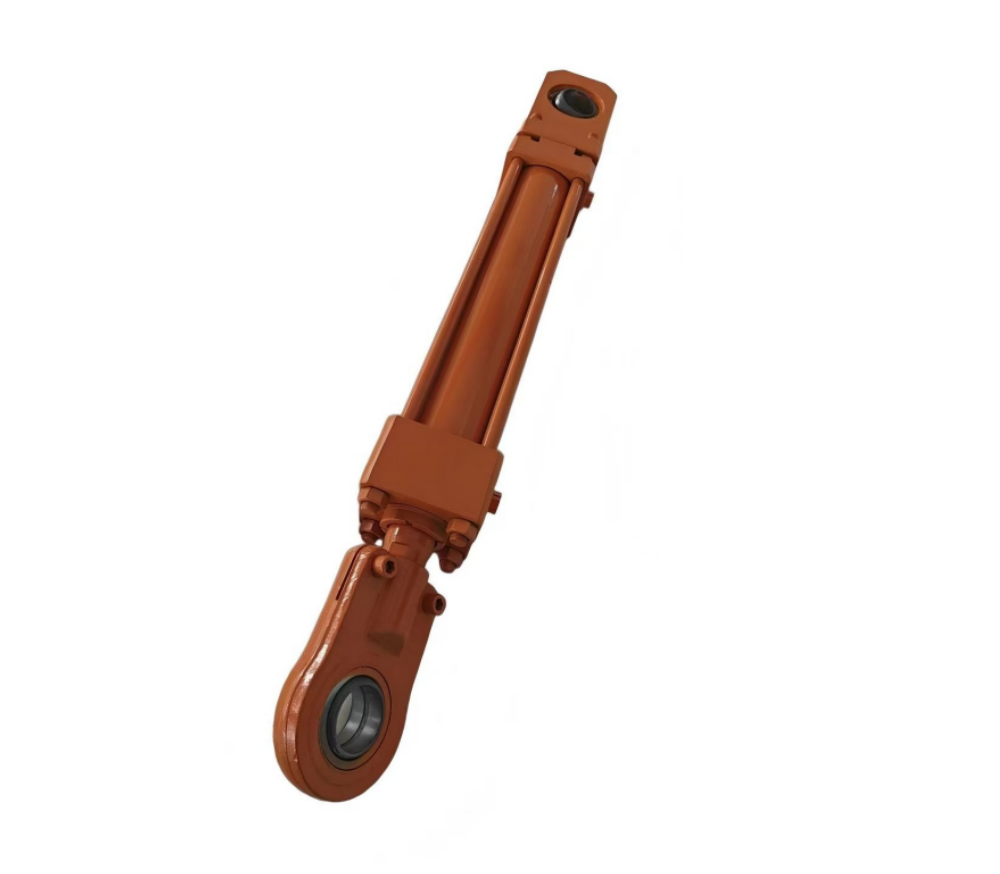
The debate between tie rod hydraulic cylinder and welded cylinders revolves around construction styles and suitability for specific environments. Tie rod cylinders are known for their easy maintenance and repair due to the removable rod ends. In contrast, welded cylinders offer robust integration benefits and are less prone to damage due to their construction, ideal for demanding settings.
| Feature | Tie Rod Cylinder | Welded Cylinder |
|---|
| Construction | Removable rod ends | Non-removable, fixed ends |
| Maintenance | Easy | Moderate |
| Durability | Good for light to moderate duty | Excellent for heavy-duty applications |
Tie rod cylinders offer simplicity and ease of maintenance, benefiting operations requiring regular repairs and components replacement. Conversely, welded cylinders' robust design caters to industries that prioritize durability and strength, such as those demanding extreme operating conditions. Welded hydraulic cylinders ensure fewer leakage points, contributing to their appeal in high-pressure scenarios.
Specialized Cylinders for Industrial Use
Aside from the conventional types, specialized hydraulic cylinders such as small hydraulic cylinders and big hydraulic cylinders cater to varying industrial needs. These customized solutions fill niches in specialized environments requiring unique dimensions and power combinations, offering fit-for-purpose functionality to ensure efficiency.
| Type | Characteristics | Use Cases |
|---|
| Small Hydraulic Cylinder | Compact, low force output | Precision tools, medical devices |
| Big Hydraulic Cylinder | Large, high force output | Construction, heavy machinery |
Applications like precision medical devices benefit from small hydraulic cylinders that necessitate delicate force application in limited spaces. In contrast, big hydraulic cylinders enable the handling of monumental forces and dimensions, crucial for industries such as construction and heavy machinery. Understanding how specialized cylinders can specifically enhance operational capabilities allows businesses to precisely meet their tooling and equipment needs.
Conclusion
In the world of hydraulics, choosing the right type of cylinder is pivotal to operational success and efficiency. This article has explored the key types of hydraulic cylinder types, their distinctive applications, and merits. From the fundamental single- and double-acting cylinders to advanced designs like telescopic hydraulic cylinders, each type serves a critical function. Whether your project demands a dump truck hydraulic cylinder or custom hydraulic cylinders, comprehending these components will help align capabilities to your specific technical requirements. Always consider the prospective environment, load requirements, and maintenance expectations when selecting among hyd cylinders for sale to ensure maximum performance and reliability.
References:
https://www.hydrauliccylinderinfo.com/single-vs-double-acting
https://www.telescopichydrauliccylinders.com/types-applications
https://www.engineeringchoice.com/tie-rod-vs-welded-cylinders
https://www.industrialspecializedcylinders.com/overview