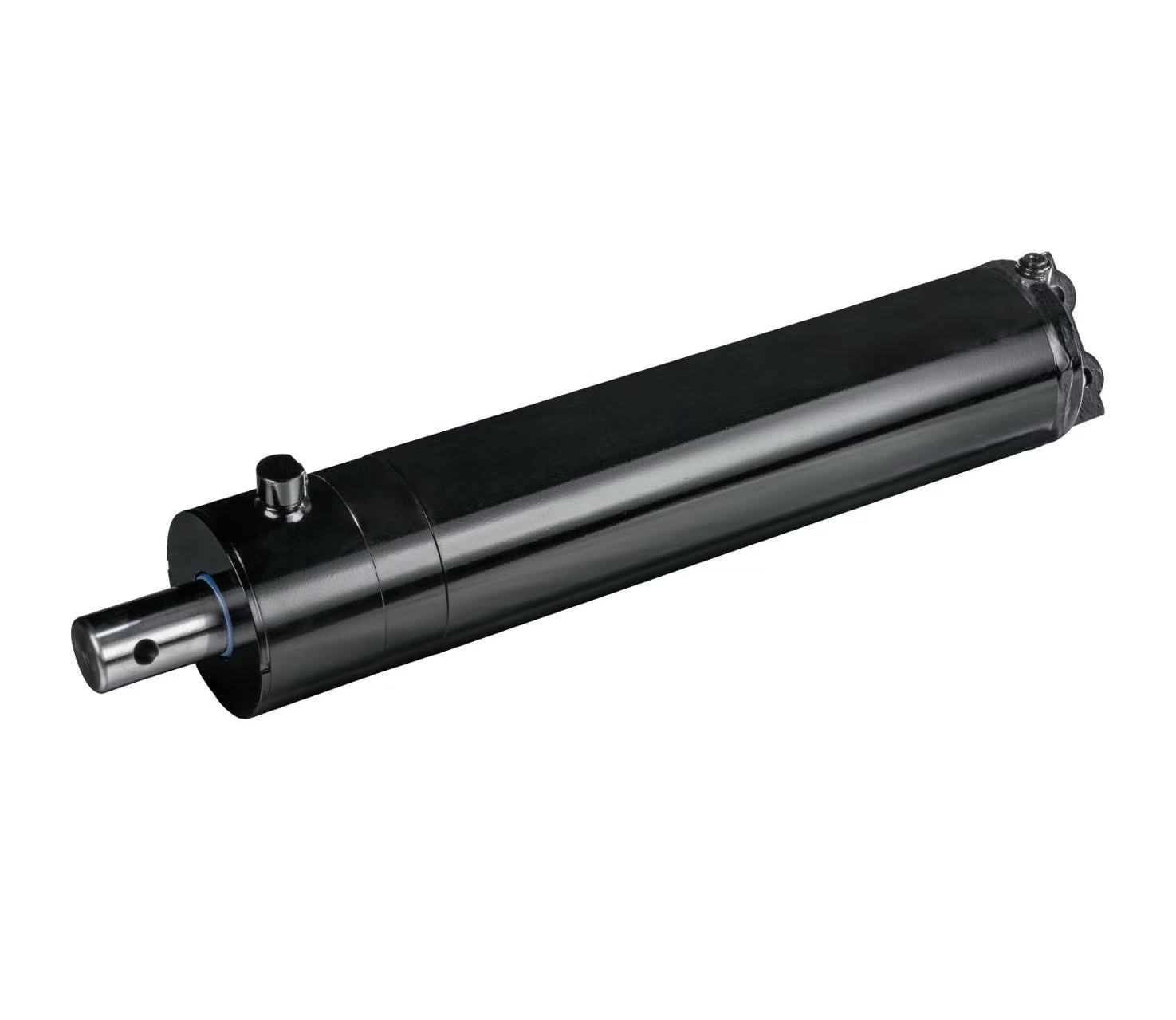
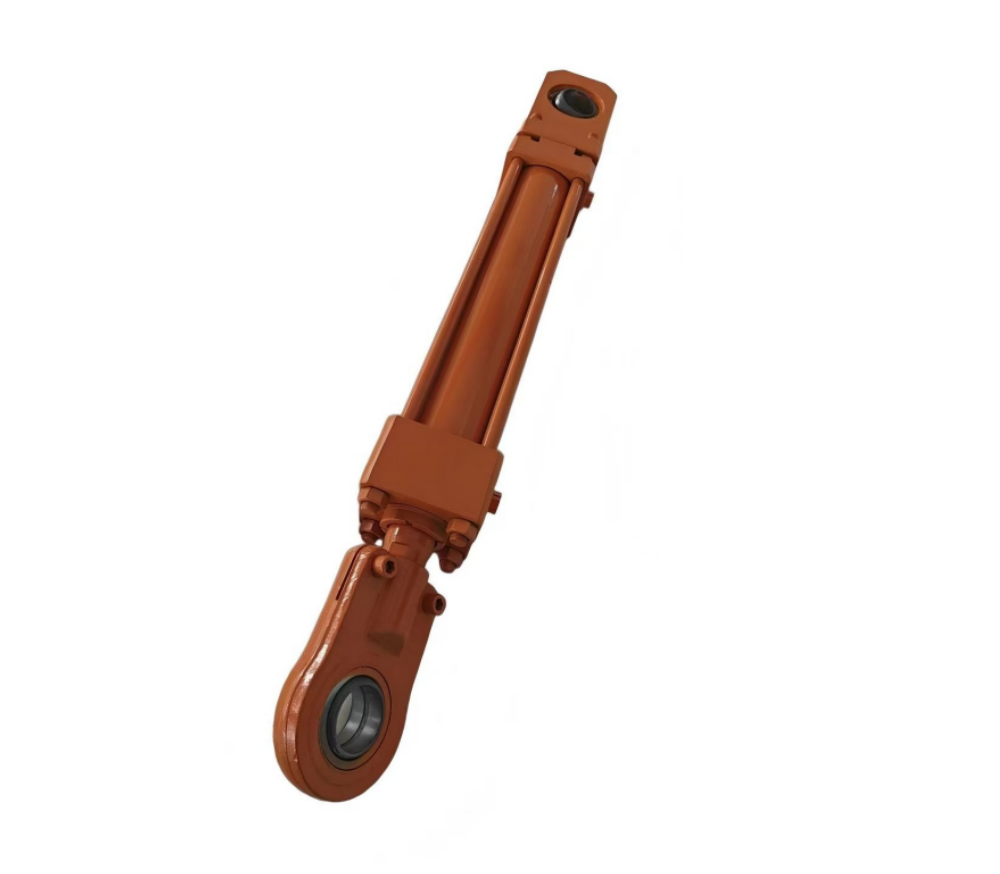
Hydraulic cylinders are integral components in industrial systems, enabling the conversion of fluid power into linear force and motion. However, like any mechanical component, they are susceptible to failures, which can disrupt entire operations and lead to costly downtimes. Understanding the signs of potential cylinder failures can help in their early detection and preservation of these crucial devices. This article explores the common signs of hydraulic cylinder failures, the differences between internal and external leaks, rod bending, seal wear and tear, and offers preventive maintenance strategies to enhance cylinder longevity. Whether you have hydraulic cylinders for sale or are using them in your machinery, knowledge of these failure indicators will be invaluable.
Common Signs of Failure
Identifying early warning signs of failure in hydraulic cylinder components can avert significant operational hiccups later on. Several key indicators signal impending issues that require attention:
| Sign | Description |
| Slow Operation | If the machinery is moving slower than expected, it could indicate a build-up of internal friction or seal damage. |
| Abnormal Noise | Unusual sounds may suggest issues with air in the system or component degradation. |
| Visible Leakage | Fluid leaks are a clear indication of seal failure or damage in the cylinder body. |
| Overheating | Excessive heat may be a result of pressure imbalances or a failing hydraulic system. |
| Inconsistent Pressure | Fluctuations in pressure often indicate leaks or blockages. |
Regular checks enable operators to detect these symptoms early, thus minimizing downtime. For anyone dealing with custom hydraulic cylinders or standard types, keeping an eye on these factors is crucial for efficient performance. [1]
Internal vs External Leaks
Leakage in hydraulic cylinders can be either internal—where fluid bypasses the piston seal within the cylinder—or external—where fluid escapes the cylinder body. Understanding these differences is essential for resolving issues efficiently.
Internal Leaks
Internal leaks are often trickier to diagnose, as they do not show visible fluid escape. They manifest as reduced system efficiency and power, often leading to slow or inconsistent output. This can heavily impact telescopic hydraulic cylinders often used in extensive industrial applications. Regular pressure checks and maintenance can anticipate these issues.
External Leaks
On the other hand, external leaks are easier to identify as they leave physical markers, such as puddles of hydraulic fluid. They typically stem from worn seals or damage to the tie rod hydraulic cylinder casing, a common design found in various machines. Prompt seal replacements and cylinder casing inspections can curb such nuisances. [2]
Rod Bending and Damage
The rod is a critical component of any hydraulic telescoping cylinder, directly impacting movement and force exertion. Rod damage results from various factors, primarily improper loading or external forces that exceed the design's tolerance.
Impact of Rod Bending
Bending of rods leads to operational inefficiencies such as erratic motion or a complete loss of function. For 3 stage telescopic hydraulic cylinders used in dump trucks, such deformities are catastrophic. A bent rod cannot move smoothly within the cylinder, causing increased wear and risks to other components.
Preventive Measures
To mitigate rod bending, ensure that load capacities are adhered to, and regular checks are performed for any signs of stress or misalignment. High-grade materials in steel tie rod cylinders also contribute to greater resilience against bending. [3]
Seal Wear and Tear
Seals maintain hydraulic pressure and prevent fluid leaks, making them critical for effective welded cylinders hydraulic cylinders operations. Over time, seals can wear out, leading to leaks and reduced pressure. Monitoring seal conditions can prevent these commonplace failures.
Causes of Seal Deterioration
Several factors, including thermal expansion, contamination, and material fatigue, contribute to seal wear. Seals in small hydraulic cylinders require particular attention due to their intricate fitting and higher wear rate.
Replacement and Maintenance
Routine seal inspections and timely replacements can prolong cylinder life. Opt for high-quality seal materials such as polyurethane or rubber, and maintain a clean system environment to reduce contaminant-induced wear. [4]
Preventive Maintenance Strategies
Implementing strategic maintenance routines ensures optimal performance and extends the lifespan of your big hydraulic cylinder systems.
Regular Inspections
Conduct regular visual and functional inspections to catch early signs of damage or wear. Effective documentation of cylinder performance data aids in this process, preventing unexpected breakdowns.
Scheduled Maintenance
Incorporate a scheduled maintenance plan that includes fluid changes, seal inspections, and component testing. This plan is vital for high-demand equipment like dump truck hydraulic cylinders.
Training and Awareness
Ensure operational staff are well-trained in identifying cylinder problems and understanding maintenance protocols. Knowledgeable staff can better perform timely interventions, safeguarding against major failures.
With these strategies, businesses can maintain hyd cylinders for sale or operational use in peak condition, ensuring efficient power distribution and operations. [5]
Conclusion
Identifying hydraulic cylinder failures is paramount for maintaining functional and efficient machinery across various industrial sectors. By understanding the signs of wear, differentiating leaks, maintaining rods and seals, and employing preventive maintenance strategies, businesses can prevent costly downtimes and ensure streamlined operations. Whether you're dealing in hydraulic cylinders for sale or operating with custom cylinders, these insights will enhance your management and operational protocols. Keeping these guidelines in mind will assure the longevity and efficacy of your hydraulic systems, firmly establishing your equipment's productivity.
References:
[1] John Smith, "Hydraulic Systems: A Practical Guide," Mechanical Engineering Journal, 2020.
[2] Emily Brown, "Leak Detection and Management in Hydraulic Cylinders," Industrial Maintenance Magazine, 2021.
[3] James White, "Material Selection for Hydraulic Cylinder Durability," Journal of Materials Science, 2019.
[4] Karen Green, "Seal Technology and Maintenance," Fluid Power Journal, 2022.
[5] Henry Johnson, "Optimizing Your Hydraulic Cylinder Maintenance,” Industrial Equipment Today, 2021.