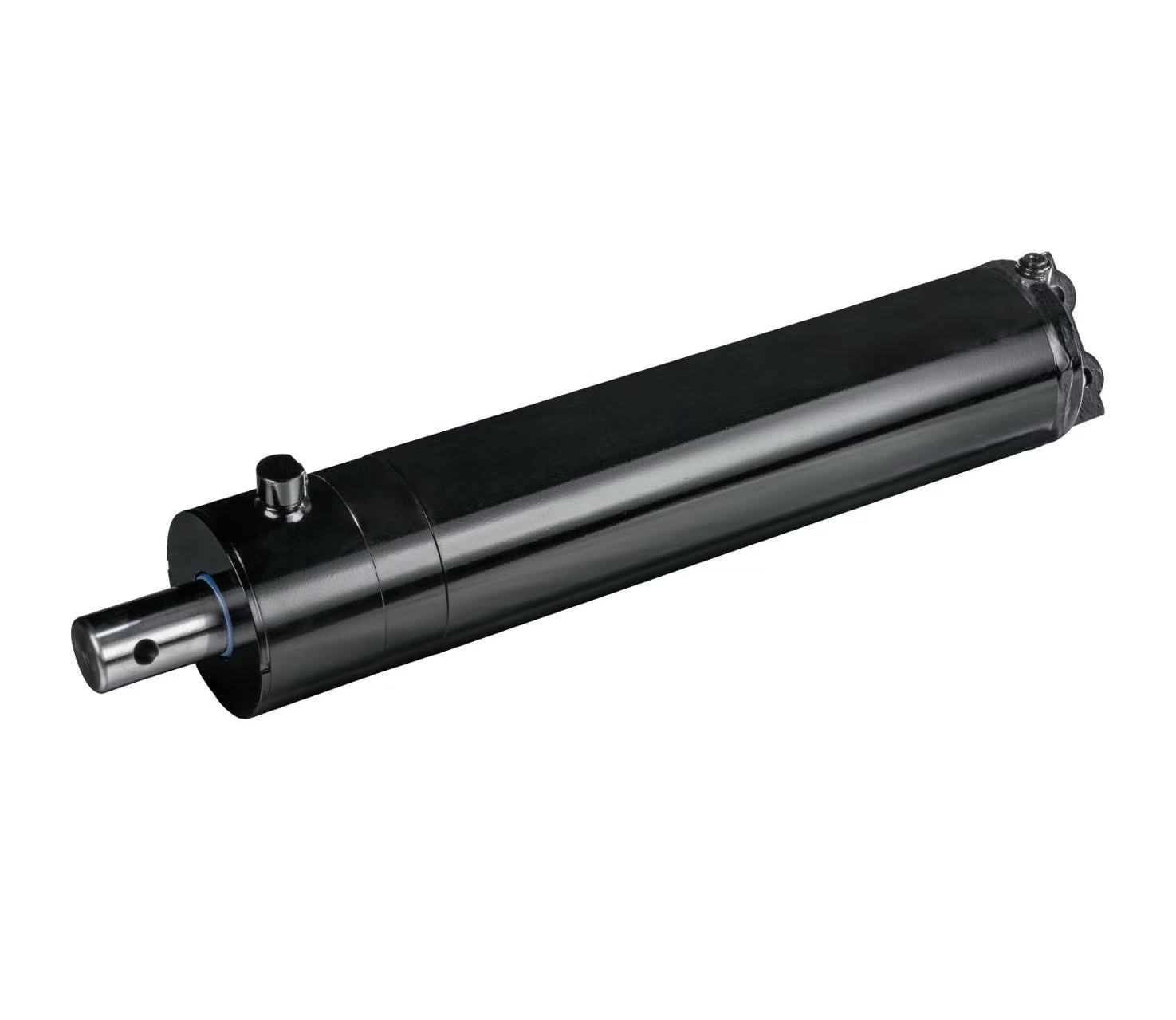
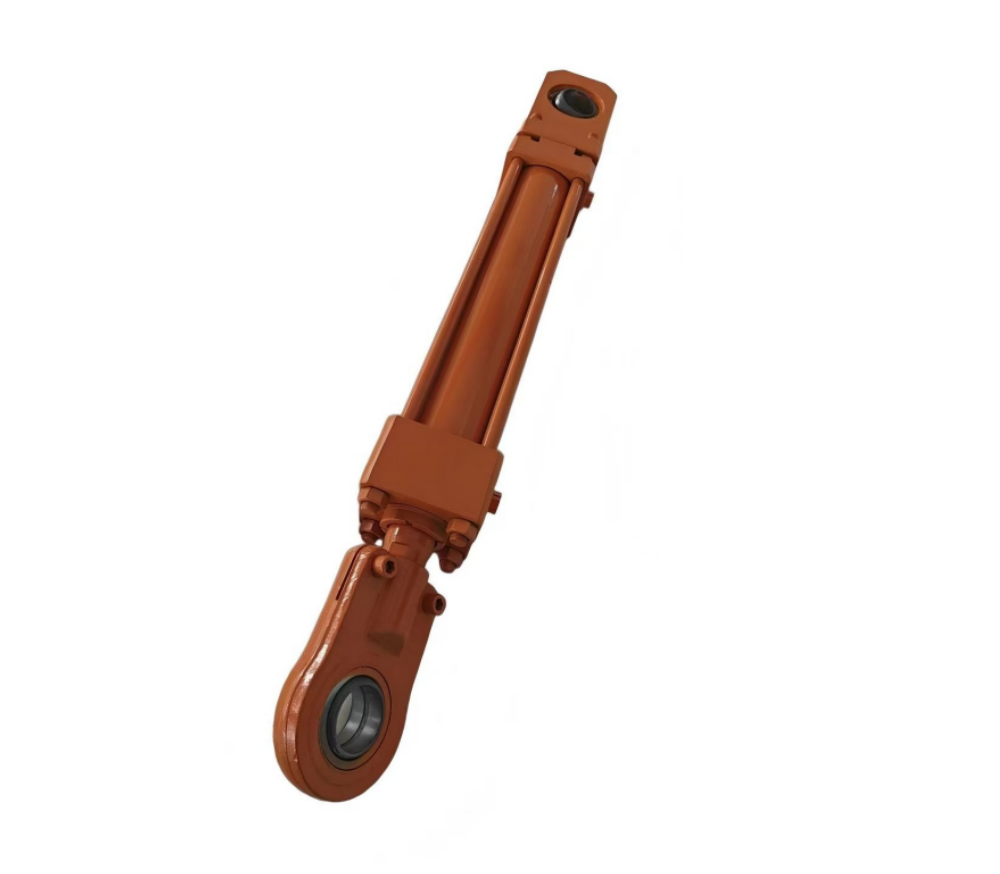
Hydraulic cylinders are pivotal in the function and efficiency of heavy machinery across various industries. Understanding the hydraulic cylinder components and their manufacturing process provides invaluable insight into their reliability and effectiveness. This article explores the anatomy of hydraulic cylinders, including their material composition and structural design. Whether you're considering custom hydraulic cylinders or searching for hydraulic cylinders for sale, gaining an in-depth knowledge of these components can guide your selection to meet specific operational demands.
Barrel and Piston Structure
The barrel and piston are fundamental parts of every hydraulic cylinder, playing a crucial role in translating hydraulic energy into mechanical force. The barrel acts as a casing that contains the hydraulic fluid, while the piston moves within, creating the motion that powers machinery.
The material composition for these components is vital. The barrel is often made from steel or aluminum. Steel offers high strength and durability, crucial for heavy-duty applications, whereas aluminum is preferred when weight reduction is a primary concern. The piston typically utilizes cast iron or bronze, renowned for their durability and wear resistance. These materials ensure longevity and consistent performance of the hydraulic cylinder even under high pressure and intense operational conditions.
| Component | Common Materials | Properties |
| Barrel | Steel, Aluminum | Corrosion resistance, high strength |
| Piston | Cast Iron, Bronze | Durability, wear resistance |
The choice between these materials depends on the specific requirements of the hydraulic system and its operational environment. Customizing the material allows manufacturers to tailor hydraulic cylinder types for specific applications, enhancing performance and lifespan.
Rod and End Caps
The rod and end caps are integral to the structural integrity and operational functionality of a hydraulic cylinder. The rod transfers the force generated by the piston to the machine's mechanism, making its strength and resilience paramount.
Hardened steel is the standard material choice for rods due to its high impact resistance and tensile strength. These attributes ensure that the rod can withstand the intense stresses and pressures inherent in hydraulic operations. Additionally, the rod surface is often chromed to protect against corrosion and reduce wear from friction.
| Component | Common Materials | Properties |
| Rod | Hardened Steel | Impact resistance, tensile strength |
End caps are typically made from steel or ductile iron, providing the necessary robustness to ensure the cylinder remains sealed and pressurized. As hydraulic systems become more complex, customization of the end caps is often necessary, facilitating intricate designs for specialized industrial applications.
Seals and Bearings
Seals and bearings in hydraulic cylinders ensure efficient and leak-free operation, maintaining the vital pressurization required for performance. These components prevent hydraulic fluid leakage and protect against contaminants that could compromise the fluid's efficacy.
Polyurethane and rubber are commonly used materials for seals due to their flexibility and ability to withstand diverse temperatures and pressures. The selection of the seal material can significantly affect the reliability and lifespan of the hydraulic cylinder.
| Component | Common Materials | Properties |
| Seals | Polyurethane, Rubber | Leak prevention, flexibility |
Bearing materials range from bronze to high-strength polymers, chosen based on the wear and friction demands of the hydraulic cylinder. As custom requirements evolve, many manufacturers offer custom hydraulic cylinders with specialized seals and bearings tailored for specific applications, enhancing their operational longevity and effectiveness.
Ports and Connections
The ports and connections in hydraulic cylinders are crucial for directing hydraulic fluid to and from the cylinder, effectively controlling its movement and performance. Proper design and selection of these components enhance seal integrity and operational efficiency.
Connections are often designed using robust steel to ensure leak-proof and secure linkage between the hydraulic lines and the cylinder. Moreover, these components must accommodate the harsh environments and varying pressures of industrial applications, necessitating precision engineering and high-quality material selection.
| Component | Common Materials | Properties |
| Connections | Steel | Leak-proof, secure linkage |
With custom needs in mind, manufacturers allow for the adaptation of port and connection designs to fit into complex machinery, facilitating their integration into existing systems smoothly. This adaptability is particularly beneficial for those seeking custom cylinders for unique applications, such as telescoping hydraulic cylinders or welded cylinders.
Material Composition
Material selection is the cornerstone of hydraulic cylinder manufacturing, influencing the performance and durability of the finished product. Each component requires a specific material to ensure that the hydraulic cylinder withstands operational stress and functions efficiently.
Tables and data demonstrate material choices for various components, enhancing understanding and providing transparency in the manufacturing process. Whether selecting a small hydraulic cylinder for precision tasks or a big hydraulic cylinder for robust applications, proper material composition ensures sustained functionality and optimal performance.
Understanding the intricacies of material composition aids in making informed decisions when seeking hydraulic cylinder for sale options. Tailoring material selection according to specific operational needs results in cylinders that meet and often exceed expected performance standards.
Conclusion
The in-depth construction and material choices of hydraulic cylinders are pivotal to their function in various industries. By understanding these components' roles and manufacturing processes, potential buyers can make informed decisions whether looking for hydraulic cylinders for sale or considering custom designs. Choosing the right materials and designs not only enhances performance but also extends the lifespan, ensuring reliability in critical applications. This knowledge empowers users to optimize the integration and functionality of hydraulic systems in their operations.