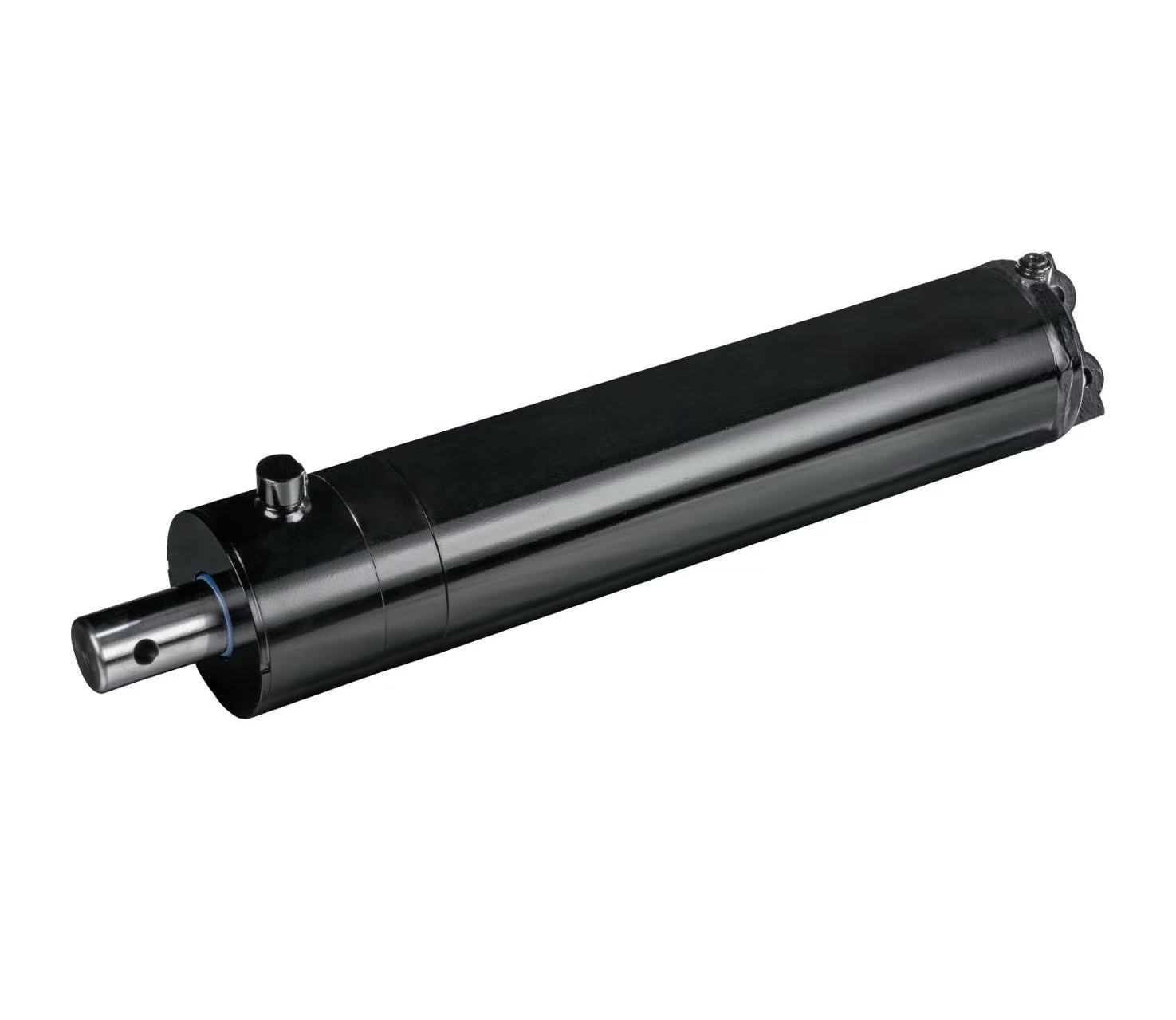
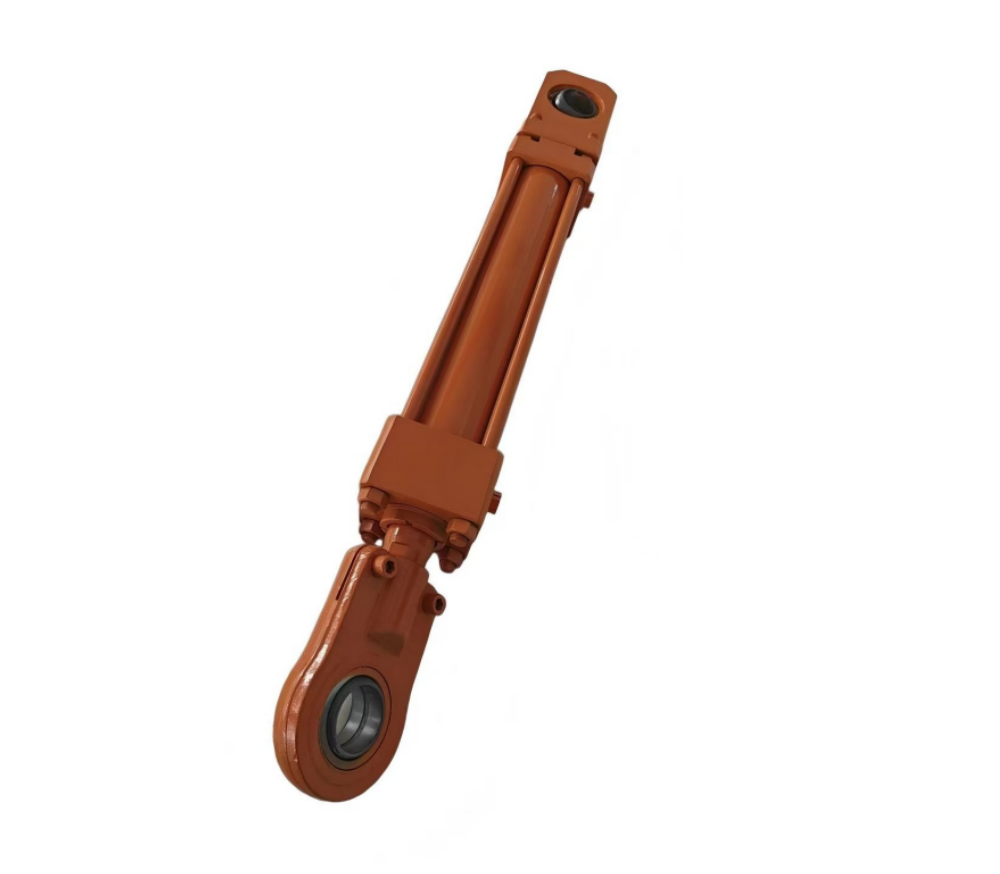
A telescopic hydraulic cylinder is a multi-stage linear actuator composed of nested steel tubes that extend sequentially, enabling a very long stroke from a compact retracted length, ideal for applications where installation space is limited but a long reach is required. If you have ever watched a dump truck raise its bed or a garbage compactor crush waste, you have seen a telescopic hydraulic cylinder in action. Unlike a standard hydraulic cylinder that has one piston rod extending from a single barrel, a telescopic cylinder contains multiple hollow steel tubes, called stages, nested inside one another.
Wide Range of Applications
Telescopic cylinders are the preferred choice whenever you need a long stroke but cannot accommodate a long cylinder body. You will find the application of telescopic cylinder in three main sectors.
In construction machinery, they lift dump truck beds, extend crane outriggers, and position concrete mixer chutes.
In agricultural machinery, telehandlers and front-end loaders use them to reach forward and upward while keeping the machine compact for transport.
In municipal machinery, garbage compactors and recycling trucks rely on telescopic cylinders to drive compaction cycles and lift heavy containers.
The hydraulic cylinders from HUTCHIN are used by global customers from fields like construction machinery, agricultural machinery, and municipal machinery. Our professional hydraulic cylinder systems are engineered to withstand the extreme work environments. HUTCHIN stands out from the competition by quality, durability, price, and the fast service we deliver.
How to Inspect Hydraulic Cylinders for Quality?
If you have ever dealt with premature hydraulic cylinder failures, you know how frustrating it can be. Most quality problems can be caught before purchase with a systematic inspection. Pay close attention to three key areas: the piston rod finish, the seals, and the welds.
Piston Rod Finish and Chrome Plating
The piston rod is the most exposed part of the cylinder, and its surface condition directly affects seal life. A high-quality rod will have a smooth, chrome-plated surface that resists corrosion and wear. Standard chrome plating thickness for hydraulic piston rods is 20 to 30 microns. For rods with a diameter of 20mm or less, the minimum recommended thickness is 15 microns. The rod surface hardness should meet a minimum of HV 850 to ensure long-term durability. Even minor scratches or pits will damage seals over time, so inspect the rod carefully under good light.
Seal Types and Materials
Seals prevent fluid leakage and keep contaminants out. The choice of seal material is critical. Polyurethane seals have an operating temperature range of -35°C to +100°C and can withstand working pressures up to 500 bar. Poor-quality seals or improper installation will lead to leaks, contamination ingress, and eventual cylinder failure.
Weld Quality and Mounting Styles
Examine the welds where the cylinder tube connects to the mounting brackets. Welds should be uniform, free from cracks, and show no signs of porosity. A poorly welded cylinder is a safety hazard. Also verify that the mounting style, whether flange, trunnion, or clevis, matches your machine's design and load requirements.
Key Points Before Choosing a Telescopic Cylinder
Selecting the wrong telescopic cylinder leads to poor performance, frequent breakdowns, and safety risks. Before you buy, review these key selection criteria.
Criteria | What to Consider | Why It Matters |
Custom vs. Standard | Custom fits exact needs; standard ships faster. | Custom eliminates fitment issues; standard is budget-friendly. |
Number of Stages | 2 to 6 stages typical. | More stages = longer stroke but higher cost and complexity. |
Operating Pressure | Match your hydraulic system’s pressure rating. | Prevents overheating or underperformance. |
Stroke Length | Fully extended length required for the job. | Must fit your machine's range of motion. |
Retracted Length | Closed length when not in use. | Critical for space-constrained installations. |
Mounting Style | Flange, trunnion, clevis, or cross tube. | Affects installation, alignment, and load distribution. |
Seal Type | High-quality polyurethane (preferred). | Prevents leaks and extends service life. |
Rod Finish | Chrome-plated, smooth, 20-30 microns thick. | Reduces friction, prevents corrosion, protects seals. |
At HUTCHIN, we specialize in custom hydraulic cylinders. Every application has unique requirements, mounting dimensions, stroke length, operating pressure, and environmental conditions. We design each cylinder to the specific needs of our customers rather than offering one-size-fits-all solutions.
Maintenance Tips
Even the best telescopic cylinder needs regular maintenance. The single most important factor in cylinder longevity is hydraulic fluid cleanliness. Most hydraulic system failures in industrial equipment are directly related to fluid contamination. Dirt, water, and debris in the fluid wear down seals, score cylinder bores, and damage piston rods.
Maintain fluid cleanliness to ISO 4406 18/16/13 or better for general machinery. High-pressure systems over 300 bar require the stricter standard of 16/14/11.
Step-by-Step Rebuild Process
Start by removing the cylinder and cleaning its exterior thoroughly. Disassemble carefully, noting the order of stages. Inspect each tube for scoring, pitting, or ovality, deep scratches may require tube replacement. Replace all seals with new, high-quality polyurethane seals, lubricating them with clean hydraulic oil during assembly. If the bore has minor scoring, use a rigid hone to restore a smooth finish. Reassemble with careful alignment to avoid binding, then pressure test the cylinder at operating pressure to verify no leakage.
Lifespan Extension Practices
Beyond rebuilds, simple habits extend cylinder life dramatically. Install rod boots to keep dust and debris off the chrome surface. Grease mounting pins every 150 operating hours to prevent side loading. Avoid over-extension by using stroke limit switches. Above all, keep that hydraulic fluid clean—it is the cheapest and most effective maintenance you can perform.
Telescopic hydraulic cylinders deliver long stroke from compact packages through sequential stage extension. Before buying, inspect the bore finish, rod chrome, seal quality, and weld integrity. Maintain fluid cleanliness at ISO 4406 18/16/13 or better.
At HUTCHIN, over 20 years of experience manufacturing cylinders for construction, agricultural, and municipal machinery worldwide stands behind every product. We deliver quality, durability, fair pricing, and fast service.
Frequently Asked Questions
How do I know when my telescopic cylinder needs to be rebuilt?
Look for visible oil leaks around the seals, a noticeable drop in lifting speed or power, unusual grinding or knocking noises during operation, or the cylinder slowly sagging under load. Any of these signs means it is time for a rebuild.
How do I measure bore size and stroke length correctly?
Use micrometers and calipers for bore diameter. Measure stroke by fully extending and retracting the cylinder and recording the total distance traveled.
What are signs of a poorly manufactured cylinder?
Look for inconsistent or cracked welds, rough bore finishes, rods with thin or damaged chrome plating, and seals that are poorly seated or made from low-grade materials.
Which mounting styles are strongest?
Trunnion and flange mounts offer the best strength and durability for heavy-duty applications. Your choice should match how your machine applies force.